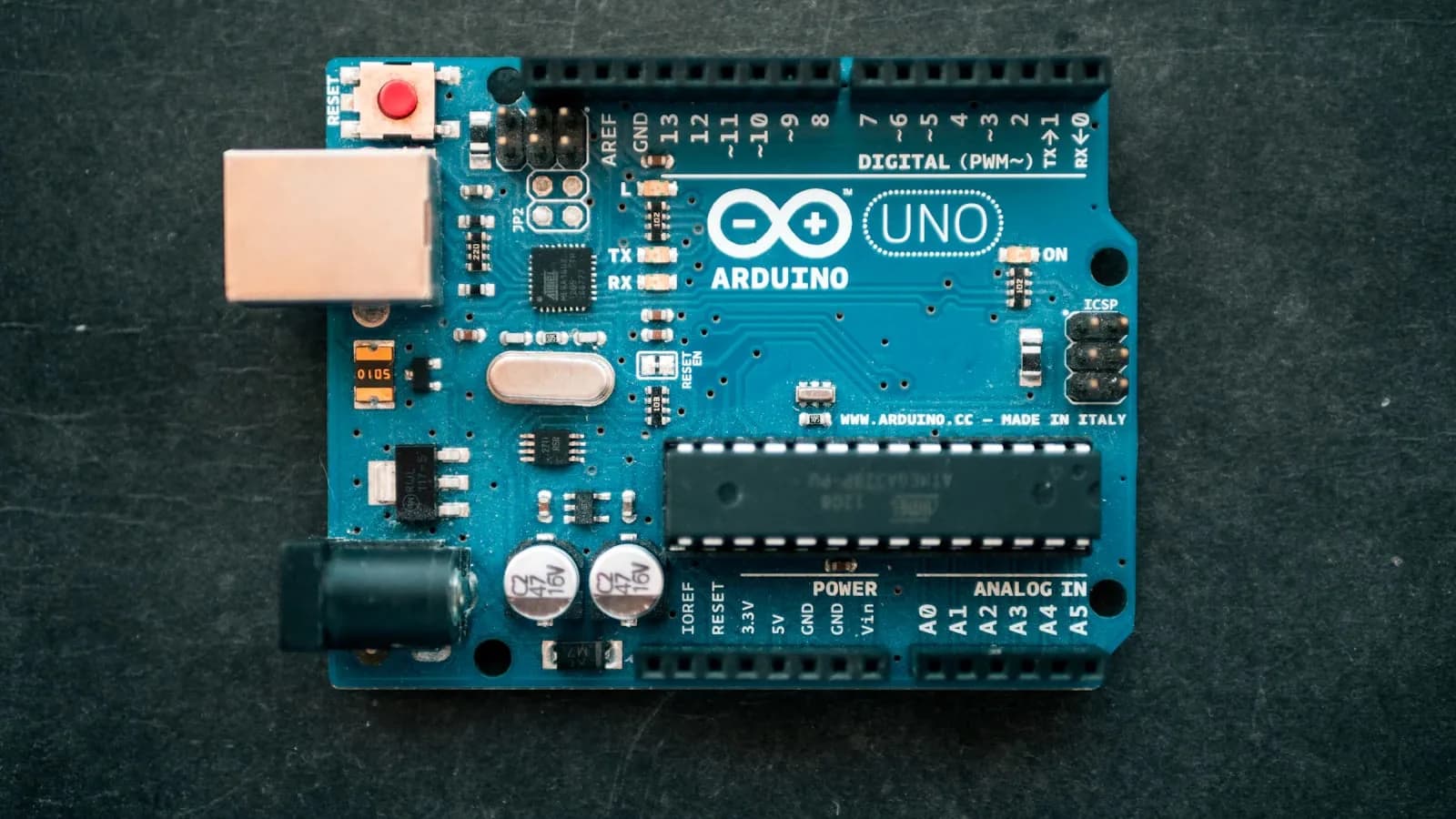
Diploma in Electronic Engineering
Course Overview
The Diploma in Electronic Engineering is a UK Level 4 qualification, 9-12 months. The programme runs across 9-12 months and is focused on electronic engineering. The course builds practitioners in analogue and digital electronics, embedded systems, PCB design and instrumentation, and it is designed for candidates who need a UK credential that carries clear weight with employers. The programme is aligned with Institution of Engineering and Technology (IET) and Energy Institute, and it draws on the wider LSCE partnership with UK professional bodies including Institution of Chemical Engineers (IChemE, crossover). Teaching is structured around a hands-on Level 4 cohort, with weekly tutor visibility, structured critique of student work and a named programme tutor throughout your studies.
By the time you complete the Diploma in Electronic Engineering, you will have produced a working portfolio, a technical write-up and a well-scoped applied project. Assessment across the Diploma in Electronic Engineering blends coursework, laboratory work and a closing project report, so you leave with evidence you can put in front of a UK employer or a professional-registration panel. Marks are moderated to UK Level 4 standards, and the course sits inside the LSCE ladder so credit transfer and articulation are considered from your first tutorial. Where relevant, the Diploma in Electronic Engineering also builds portfolio evidence toward professional-body membership and the Engineering Council or BCS chartership routes, and the wraparound English-language, careers and study-skills provision on the Diploma in Electronic Engineering remains available throughout your registered study period.
Key Features
- Curriculum aligned with Institution of Engineering and Technology (IET) and Energy Institute competency frameworks for the Diploma in Electronic Engineering, reviewed each academic year against the latest professional-body guidance.
- Applied laboratory, project or portfolio work in analogue and digital electronics embedded across every taught module of the Diploma in Electronic Engineering, so learning stays close to industry practice.
- Weekly named-tutor visibility on the Diploma in Electronic Engineering with structured written feedback on your scoped Level 4 project and clear progression targets.
- A hands-on Level 4 cohort with cross-cohort critique, employer-style project reviews and mentor pairings drawn from the LSCE alumni network.
- LSCE careers-service introductions to UK electronics SMEs, defence primes, medical devices and IoT product employers through the London employer contact book, plus at least one industry-careers day each academic year.
- Three parallel study modes on the Diploma in Electronic Engineering: on-campus in central London, fully online with provisioned lab or GPU access, or by distance learning with the same remote provisioning across the Diploma in Electronic Engineering.
- Rolling intakes and structured induction so working professionals on the Diploma in Electronic Engineering can start when the diary allows, plus wraparound English-language and study-skills support during induction.
What You Will Learn
- Design analogue and digital electronic circuits
- Build and test embedded systems on modern microcontrollers
- Produce PCB layouts using industry-standard tooling
- Interpret instrumentation and measurement standards
- Handle EMC and signal-integrity considerations at foundation level
- Apply IET foundation-level professional conduct
- Document electronics work to a professional standard
- Deliver a scoped Level 4 electronics project
Who This Course Is For
- College leavers and career changers entering electronics
- Apprentices formalising a Level 4 electronics credential
- International applicants preparing for UK entry-level electronics roles
- Working technicians pivoting into embedded work
- Applicants planning to progress into an LSCE Advanced Diploma
Career Pathways
- Electronics Engineer (junior)
- Embedded Systems Developer (junior)
- Test Engineer (electronics)
- Instrumentation Engineer (junior)
- PCB Designer
- Field Service Engineer
- Design Engineer (electronics)
- Automation Trainee
The LSCE careers service maintains a working contact book across UK electronics SMEs, defence primes, medical devices and IoT product employers, and runs one-to-one application coaching during the final stage of the Diploma in Electronic Engineering. Structured application support covers CV, portfolio and interview preparation for UK employers, with warm introductions where cohort fit is close, plus alumni-network mentoring throughout your studies and after graduation.
Entry Requirements
- A relevant Certificate, A-levels (or equivalent), or two years of relevant employment.
- GCSE English at grade 4/C and Mathematics at grade 4/C (or equivalent).
- IELTS 5.5 overall (no band below 5.0) for non-native English speakers.
- One academic or professional reference.
- Short statement of intent with a paragraph on career direction.
Why Study at LSCE
The London School of Computing and Engineering is a specialist computing and engineering division of Harold International College of London. LSCE teaches in small tutor-visible cohorts, partners with UK professional bodies including Institution of Engineering and Technology (IET) and Energy Institute, and puts the AI Safety Institute, Alan Turing Institute, the NCSC, the ICE, IMechE and IET, and central London's engineering consultancies within a short tube ride of every classroom on the Diploma in Electronic Engineering. Alignment with Engineering Council (UK) further strengthens the standing of the Diploma in Electronic Engineering with employers.
Whether you study on-campus, fully online with provisioned lab or GPU access, or by distance learning, you join the same Diploma in Electronic Engineering intake with weekly tutor visibility and named programme-tutor support. LSCE students routinely attend BSides London, IET Young Professionals events, IMechE London Region evenings and BCS group meetings during their studies, and the careers service holds a working contact book with UK employers across UK electronics SMEs, defence primes, medical devices and IoT product employers. Students on the Diploma in Electronic Engineering also access the Harold International College shared library and elective-module catalogue subject to availability.
Apply for Diploma in Electronic Engineering
Start your Level 4 qualification with the Diploma in Electronic Engineering at LSCE. Click Enrol Now, and admissions will respond within one working day with intake dates and credit-transfer guidance for the Diploma in Electronic Engineering. Enrol Now