Certificate in Broadcast Media Basics
Course Overview
The Certificate in Broadcast Media Basics at the London School of Commerce and Technology (LSCT) is a short, hands-on programme for people who want a credible first foothold in UK radio, podcast and television. It sits within our Media, Journalism & Communication department, takes three to six months to complete, and is offered on-campus in central London, fully online and by distance learning.
You will learn the core craft and discipline of broadcast - voice and mic work, simple cameras and lighting, editing basics, scripting, interviewing and the ethical and legal rules UK broadcasters operate under. By the end of the certificate you will have produced and presented a short broadcast piece.
Key Features
- Royal Television Society and BBC Academy-aligned content drawing on broadcaster training standards.
- Three study modes - on-campus, online or distance learning.
- Voice and mic workshops for radio and podcast.
- Camera and lighting basics for short video.
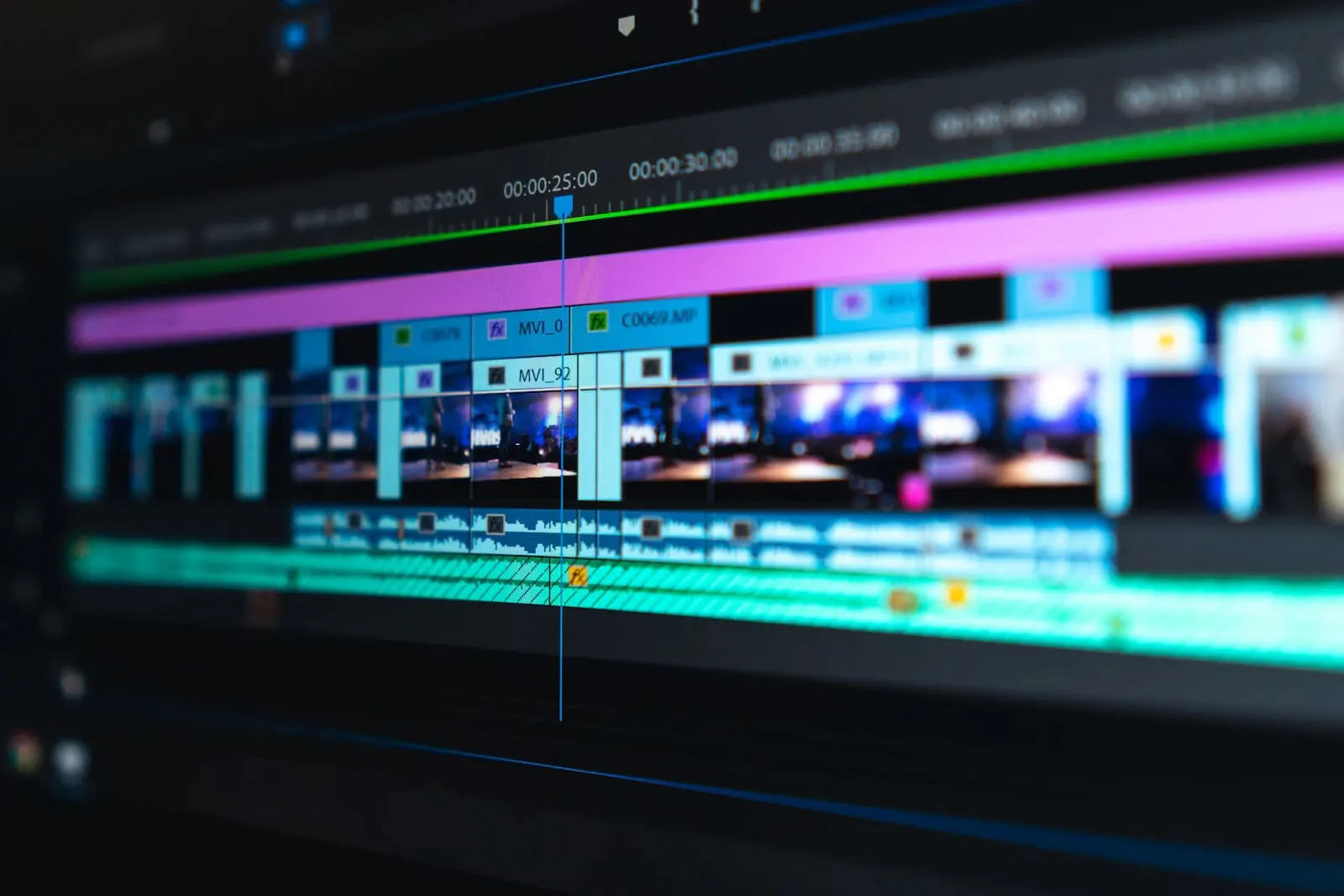
- Editing fundamentals across audio and video.
- UK media-law and ethics module.
What You Will Learn
The certificate teaches broadcast craft as it is practised - with mic technique, cue points, deadlines and an audience that won't wait.
- Broadcast vocabulary and how UK newsrooms run.
- Voice technique and microphone presence.
- Camera, framing and basic lighting.
- Editing basics for audio and short video.
- Scripting and interviewing.
- UK media-law basics - defamation, contempt and privacy.
- Editorial ethics and accuracy.
- Producing and presenting a short broadcast piece.
Who This Course Is For
- School leavers and undergraduates considering a broadcast career.
- Podcasters and YouTubers wanting to professionalise their craft.
- Career changers in their late twenties moving into broadcast from teaching, comms or events.
- International students seeking a UK-aligned broadcast media introduction.
Career Pathways
The Certificate in Broadcast Media Basics supports entry-level moves into UK broadcast and podcast organisations, including assistant and runner roles. Typical first roles include:
- Broadcast Assistant
- Production Runner
- Podcast Assistant Producer
- Studio Assistant
- Junior News Assistant
- Editorial Assistant (broadcast)
It also stacks credit toward our BA in Broadcast Journalism and Advanced Diploma in Film & Television Production.
Entry Requirements
- Completed secondary schooling or equivalent.
- English language: IELTS 5.5 (or accepted equivalent) for international applicants.
- Minimum age 17 at programme start.
- A short personal statement; a sample of audio or video work is welcomed.
Why Study at LSCT
The London School of Commerce and Technology (LSCT) is a specialist higher-education provider based in central London and part of Harold International College. We teach in small cohorts so every student is visible to their tutor, run a single intake schedule that students can rely on, and partner with UK professional bodies so qualifications carry weight with employers. London puts Whitehall, the City, Silicon Roundabout, the Royal Courts of Justice, the West End and the NHS estate within a short tube ride of every classroom - and our students use that proximity in their projects, placements and graduate job hunts. Broadcast students benefit from being in the UK's broadcasting capital, with field-day proximity to BBC and Channel 4 production hubs and Soho post houses.
Industry Context for the Certificate in Broadcast Media Basics
The Certificate in Broadcast Media Basics is sequenced against the working conditions of UK employers from 2026 onwards. Media, journalism and communication employers in the UK are recruiting across both technical and managerial tracks, and decision-makers consistently report that the gap between a strong CV and a weak one is the presence of documented project work rather than only a transcript. Tutors translate sector trends - from regulatory change to platform consolidation - into the way coursework is briefed, so that the artefacts you assemble across modules are directly recognisable to a hiring manager. Reading lists and case material are refreshed each intake so the programme tracks the contemporary picture rather than a generic textbook chapter.
Cohorts include UK and international students from a wide range of starting points, and the mix is treated as an asset in seminar discussion. Group projects deliberately cross experience levels so that each student practises the kind of cross-functional collaboration that defines working life in the sector. The single annual intake means every cohort moves through the calendar together - building the kind of peer network that, in practice, opens many of the first job conversations after graduation.
Assessment Approach for the Certificate in Broadcast Media Basics
The Certificate in Broadcast Media Basics is assessed continuously across the year rather than weighted entirely on a final examination. Each module produces a portfolio artefact - a short report, a worked case, a presentation, a reflective journal entry or a defended project - and these accumulate into a working evidence set you can take to an interview panel. Tutors mark to UK employer expectations and give written feedback within published turnaround windows. Reasonable adjustments and English-language support are available, and the personal academic tutor signs off the assessment plan at the start of each term so the workload is visible from week one.
Apply for Certificate in Broadcast Media Basics
If the Certificate in Broadcast Media Basics fits your goals, click Enrol Now to start your application. The admissions team will reply within one working day with the next intake date and document checklist.