Certificate in Mechanical Awareness
Course Overview
The Certificate in Mechanical Awareness sits inside the Engineering & Science department at LSCT and is a short, intensive primer for school leavers, technician trainees and engineering-degree applicants who want a credible introduction to mechanical engineering before committing to a BEng or Higher Diploma route. Delivered over 3 to 6 months on-campus in central London, fully online or by self-paced distance learning, the programme covers statics, basic dynamics, materials, manufacturing methods, UK HSE site safety and the IMechE-pathway expectations every engineer-to-be should understand from day one.
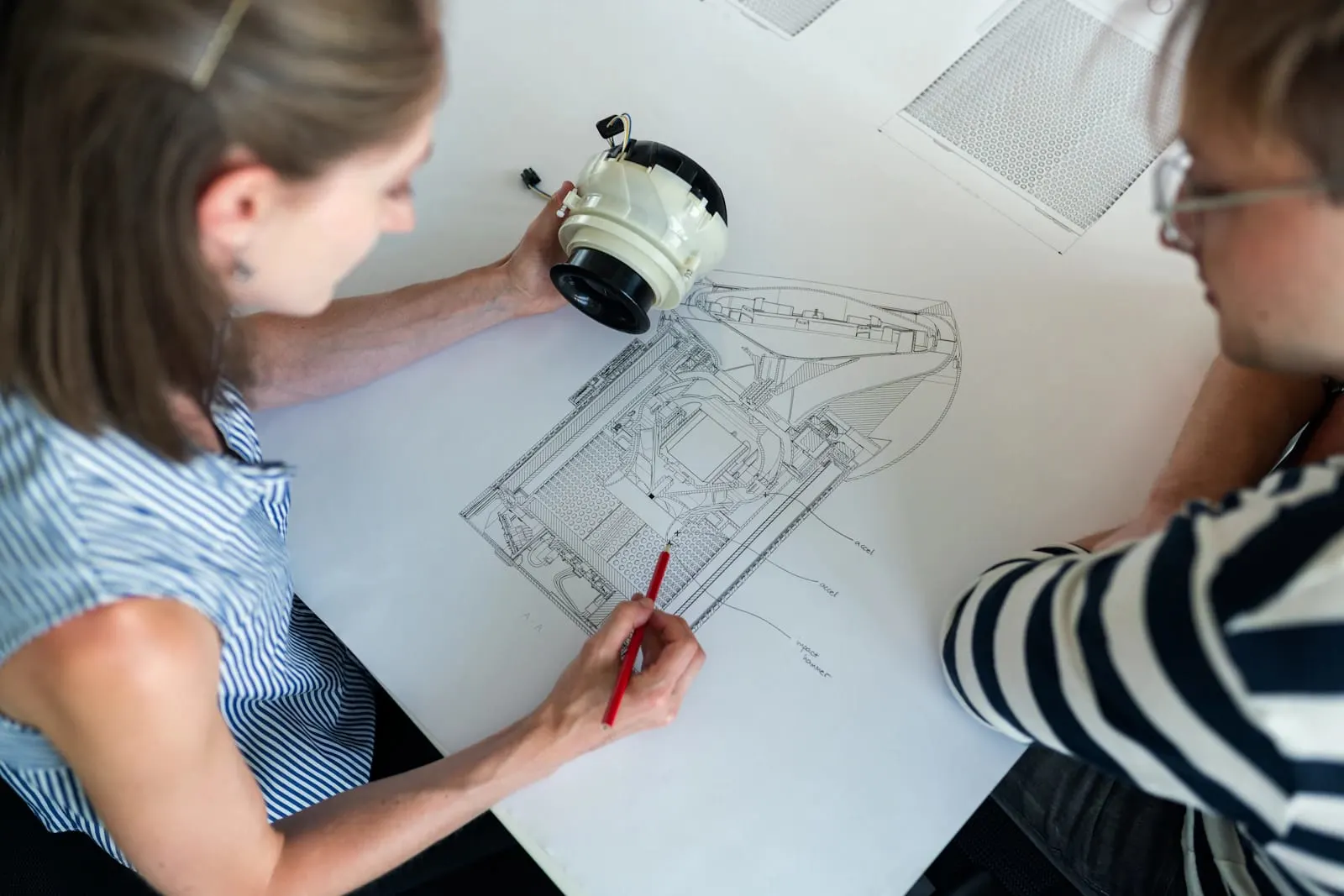
From your first week you will be sketching free-body diagrams, calculating beam reactions and reading actual UK manufacturing safety bulletins rather than only studying terminology. By the end you will hold a UK-recognised certificate, a small mechanical-design portfolio and a clear next step into a Diploma in Industrial Technology or BEng entry route.
The programme runs on a structured semester rhythm of lectures, computational labs and assessed design exercises tied to UK industry briefs. Tutors include chartered engineers from UK consultancies, utilities and industrial sites, plus academic researchers active in current UK industrial collaborations. Cohort sizes are deliberately small so technical questions get answered properly and design choices can be defended in person at the studio table.
Key Features
- IMechE-aware syllabus reflecting Institution of Mechanical Engineers entry-level competencies and the Engineering Council UK pathway.
- UK HSE safety module covering CDM 2015, PUWER and Permit-to-Work on UK sites at induction level.
- Three study modes - on-campus in central London, fully online with live tutorial labs, or self-paced distance learning.
- Free-body and beam-analysis workshops teaching first-year university-style problem solving.
- UK manufacturing methods unit covering machining, additive and basic assembly.
- Direct progression into the Diploma in Industrial Technology and BEng Environmental / Mechanical Engineering routes.
What You Will Learn
You will graduate able to draw a free-body diagram, calculate beam reactions, name common UK manufacturing methods correctly and explain to a non-engineer why a particular HSE control on a UK site matters. Modules include:
- Statics: Forces, Moments and Free-Body Diagrams
- Basic Dynamics and Kinematics
- Stress, Strain and Beam Reactions
- Materials Science Fundamentals
- UK Manufacturing Methods: Machining, Additive, Assembly
- UK HSE Law Overview (CDM 2015, PUWER)
- Engineering Drawing and GD&T Basics
- Sustainability and the Engineering Council UK SDG Pathway
Assessment is portfolio-led with computational evidence: you are graded on engineering reports, simulation outputs and live design defences in front of the cohort and a working UK chartered engineer. This pattern is deliberate - it mirrors how UK engineering consultancies and contractors actually test graduate engineers at interview, and it forces every student to develop the habit of defending a calculation, an assumption or a tolerance in person rather than hiding inside a sealed PDF.
Who This Course Is For
- School leavers exploring engineering before committing to a BEng.
- Technician trainees and apprenticeship-route candidates building academic foundations.
- Career changers from trades or operations entering UK mechanical-engineering pathways.
- International applicants targeting a UK BEng and seeking a credible pre-entry certificate.
Hybrid candidates with one foot in classical engineering and the other in software, data or sustainability work are particularly well-served, since UK infrastructure and energy employers increasingly hire engineers who can move between physical and digital domains.
Career Pathways
Graduates step into entry-level technician and trainee roles inside UK manufacturing, energy and infrastructure projects, or progress directly into BEng study. Typical first roles include:
- Trainee Mechanical Technician
- Manufacturing Apprenticeship Entrant
- Maintenance Technician Trainee
- CAD Assistant (junior)
- Quality Inspection Junior
- Site Assistant (UK construction or energy)
Graduates often progress to the Diploma in Industrial Technology, BEng Environmental Engineering or a UK university Foundation Year.
Beyond the obvious engineering-firm routes, graduates are picked up by UK regulated infrastructure operators, central government programme teams (DESNZ, DfT, Defra) and the rapidly growing UK net-zero developer set. Hiring conversations typically test how you defend a design decision in front of seniors, so the design portfolio and the supervised project work built during the programme matters more than the certificate itself.
Recent intakes have included career changers from trades, returners after parental leave, military-leavers from technical branches and working utilities staff - the cohort mix itself becomes part of the curriculum.
Entry Requirements
- Completed secondary schooling or equivalent.
- English language: IELTS 5.5 (or accepted equivalent) for international applicants - and basic algebra and geometry comfort is verified at induction for this programme, since calculations are introduced from week one.
- Minimum age 17 at programme start.
- A short personal statement outlining your motivation.
Live cohort design-challenge days each term let students benchmark themselves against peers and against working UK chartered engineers - and frequently surface UK graduate-scheme conversations.
Why Study at LSCT
The London School of Commerce and Technology (LSCT) is a specialist higher-education provider based in central London and part of Harold International College. We teach in small cohorts so every student is visible to their tutor, run a single intake schedule that students can rely on, and partner with UK professional bodies so qualifications carry weight with employers. London puts Whitehall, the City, Silicon Roundabout, the Royal Courts of Justice, the West End and the NHS estate within a short tube ride of every classroom - and our students use that proximity in their projects, placements and graduate job hunts. For mechanical students that proximity matters: IMechE branch meetings at One Birdcage Walk and visits to UK manufacturing partners form part of the term.
We also run a structured careers service from intake onwards: scheduled mock technical interviews with working UK chartered engineers, CV reviews aligned to UK engineering and infrastructure recruiter norms, and live cohort sessions on the assessment-centre formats UK consultancies, utilities and contractors actually use. Every student is paired with an alumni mentor working in their target UK engineering sector.
Each cohort completes a final design challenge that has historically been benchmarked against IMechE Younger Members Panel briefs - a useful talking point at UK graduate-scheme interviews and a chance to put a recognisable line on a CV before stepping onto a BEng route or technician apprenticeship.
Apply for Certificate in Mechanical Awareness
If the Certificate in Mechanical Awareness fits your goals, click Enrol Now to start your application. The admissions team will reply within one working day with the next intake date and document checklist, including the basic-maths diagnostic used at induction.