Certificate in Programming Fundamentals
Course Overview
The Certificate in Programming Fundamentals at LSCT sits in the Information Technology department and is a focused short course for absolute beginners who want a serious entry point into software development without first committing to a degree. Delivered over three to six months on-campus in central London, fully online with weekly code reviews, or by structured distance learning, the certificate uses Python as a teaching language while building the underlying computer-science thinking that transfers to any modern stack.
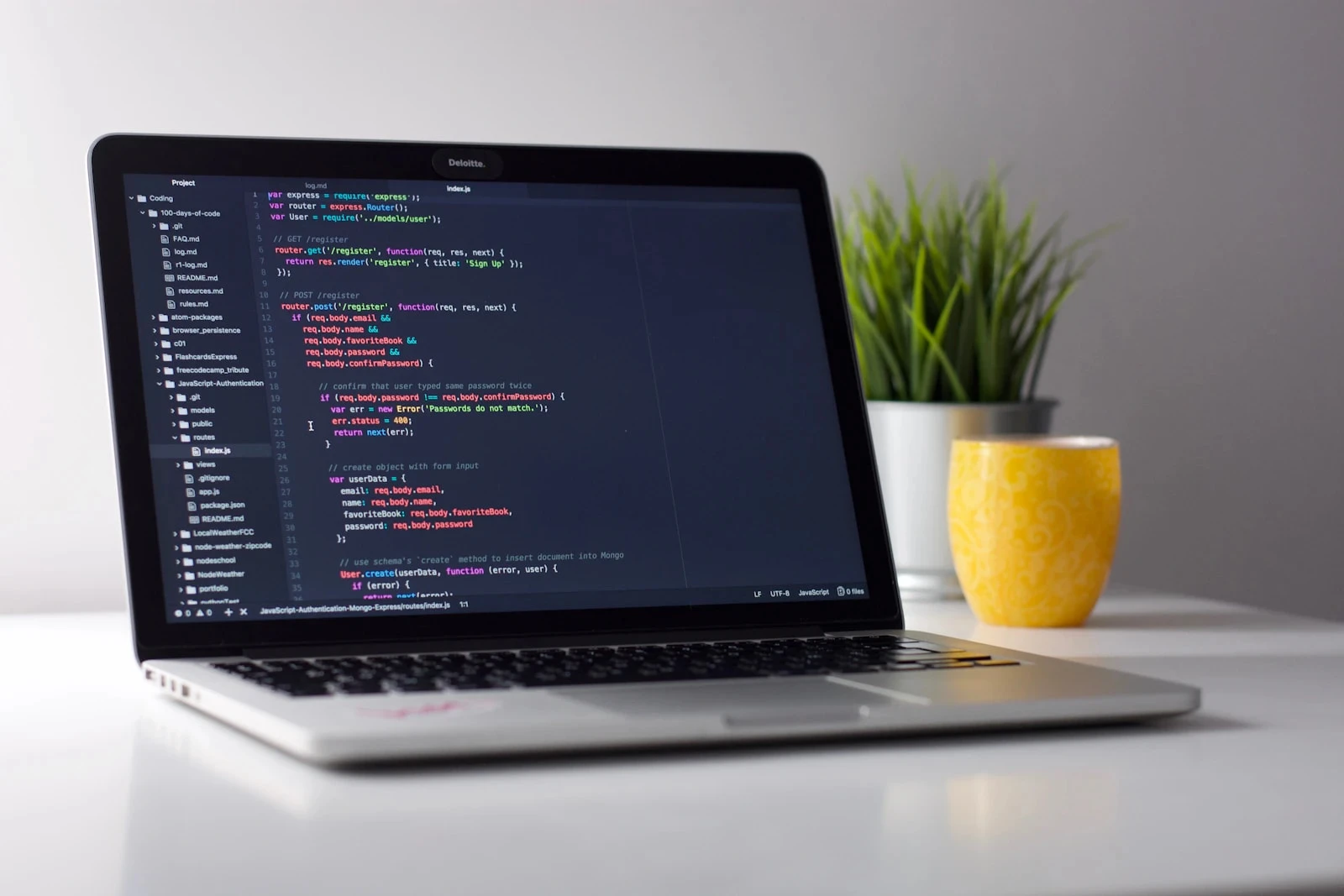
From the first session you will be writing real code - not pseudocode - and submitting it to automated tests the way junior developers do in their first week on the job. By the end you will have a small GitHub portfolio of working scripts, a basic web service and a CLI tool, and the confidence to apply for a junior or trainee developer position in London's tech corridors around King's Cross and Silicon Roundabout.
The Certificate in Programming Fundamentals timetable is built around UK assessment realities: continuous coursework that produces the artefacts employers actually ask for, plus end-of-module case-based assessments rather than rote examinations. Tutors include working practitioners drawn from the King’s Cross tech corridor and Silicon Roundabout - not only academics - so the standard being marked against is the standard technology employers apply at first interview. Students join one cohort intake per year, so the cohort moves through the programme together and forms the working network that matters when first technology-sector job applications start going out.
Key Features
- Syllabus aligned to BCS Foundation Certificate in Programming Essentials and CompTIA IT Fundamentals.
- Python-first teaching with optional JavaScript bridging modules.
- Three study modes - on-campus with paired-programming labs, fully online with weekly code reviews, or distance learning with auto-graded assignments.
- GitHub-based portfolio - every assessed piece of work is committed to a public or private repo students keep.
- CI/CD primer using GitHub Actions, so students see how UK employers actually ship code.
- One-to-one mock technical interview in the final fortnight.
What You Will Learn
You will leave able to read and write Python comfortably, structure a small project, write tests, debug with breakpoints and use Git like a junior developer. Modules include:
- Computational Thinking and Problem Decomposition
- Python Programming (variables, control flow, functions)
- Data Structures (lists, dictionaries, sets, basic complexity)
- Object-Oriented Programming Basics
- Version Control with Git and GitHub
- Testing with pytest
- Working with HTTP, JSON and a small REST API
- Introduction to CI/CD (GitHub Actions)
Who This Course Is For
- Absolute beginners deciding whether a tech career is right for them before committing to a degree.
- Career changers from finance, education or admin moving into junior developer or analyst roles.
- International students preparing for a UK BSc in Computing, Software Engineering or Data.
- Self-taught coders who want a recognised credential and structured tutor feedback.
Career Pathways
Graduates use the certificate as a credible entry signal into UK junior-developer, technical-support and analyst tracks. While not a degree, the GitHub portfolio you build is the first thing hiring managers actually look at. Typical first roles include:
- Junior Software Developer (small studios, SaaS)
- Trainee Full-Stack Developer (bootcamp-adjacent intake)
- Technical Support Engineer (UK SaaS firms)
- QA Engineer (manual to junior automation track)
- Junior Data Analyst (Python-based)
- Junior DevOps or Cloud Engineer (with cloud certifications added)
Most learners progress to a Higher Diploma in Full Stack Development, a Higher Diploma in Information Technology or directly into a BSc in Computing or Software Engineering.
One pragmatic note for prospective applicants: UK SaaS, fintech and healthtech employers continue to compete hard for production-ready engineers, and the Certificate in Programming Fundamentals is designed to produce the documented portfolio that gets a CV read rather than only an academic transcript that does not. Coursework is structured so that, on graduation, you can hand a hiring manager three or four pieces of evidence - a project, a report, a deck, a documented intervention - that map directly to a published UK job description. Personal academic tutors also run two one-to-one careers conversations during the programme to keep that mapping honest.
Entry Requirements
- Completed secondary schooling or equivalent.
- English language: IELTS 5.5 (or accepted equivalent) for international applicants.
- Minimum age 17 at programme start - basic computer literacy required, but no prior coding experience needed.
- A short personal statement outlining your motivation; a small first-project plan is welcomed but not required.
Why Study at LSCT
The London School of Commerce and Technology (LSCT) is a specialist higher-education provider based in central London and part of Harold International College. We teach in small cohorts so every student is visible to their tutor, run a single intake schedule that students can rely on, and partner with UK professional bodies so qualifications carry weight with employers. London puts Whitehall, the City, Silicon Roundabout, the Royal Courts of Justice, the West End and the NHS estate within a short tube ride of every classroom - and our students use that proximity in their projects, placements and graduate job hunts. For programming students that means meet-ups in Shoreditch, employer talks from BCS-affiliated London tech firms and a constant feed of junior-developer briefs to practise against.
The teaching model is small-cohort and tutor-led on purpose. Discussion-based seminars, regular formative feedback and structured peer-review are how engineering-judgement is built - none of which scales to large lecture halls. Personal academic tutors are assigned at enrolment, and every student has a named contact for academic, pastoral and career-related questions. UK and international students mix in every cohort, which becomes an active strength in case sessions, group projects and the technology-sector network that follows you after graduation.
Beyond classroom contact, the Certificate in Programming Fundamentals makes deliberate use of UK-specific resources that international comparators cannot reach as easily: open government data on the gov.uk estate, parliamentary publications, House of Commons Library briefings, Bank of England datasets, ONS releases and the open-access research output of British universities. Throughout the programme, tutors expect production-grade engineering writing - explicit about trade-offs, observability and security. Graduates often describe leaving LSCT with a set of writing and analytical habits they continue to use across a UK career - not only a transcript and a portfolio.
Apply for Certificate in Programming Fundamentals
If the Certificate in Programming Fundamentals fits your goals, Click Enrol Now to start your application. The admissions team will reply within one working day with the next intake date and document checklist, and will share the pre-course setup guide for Python, VS Code and Git.