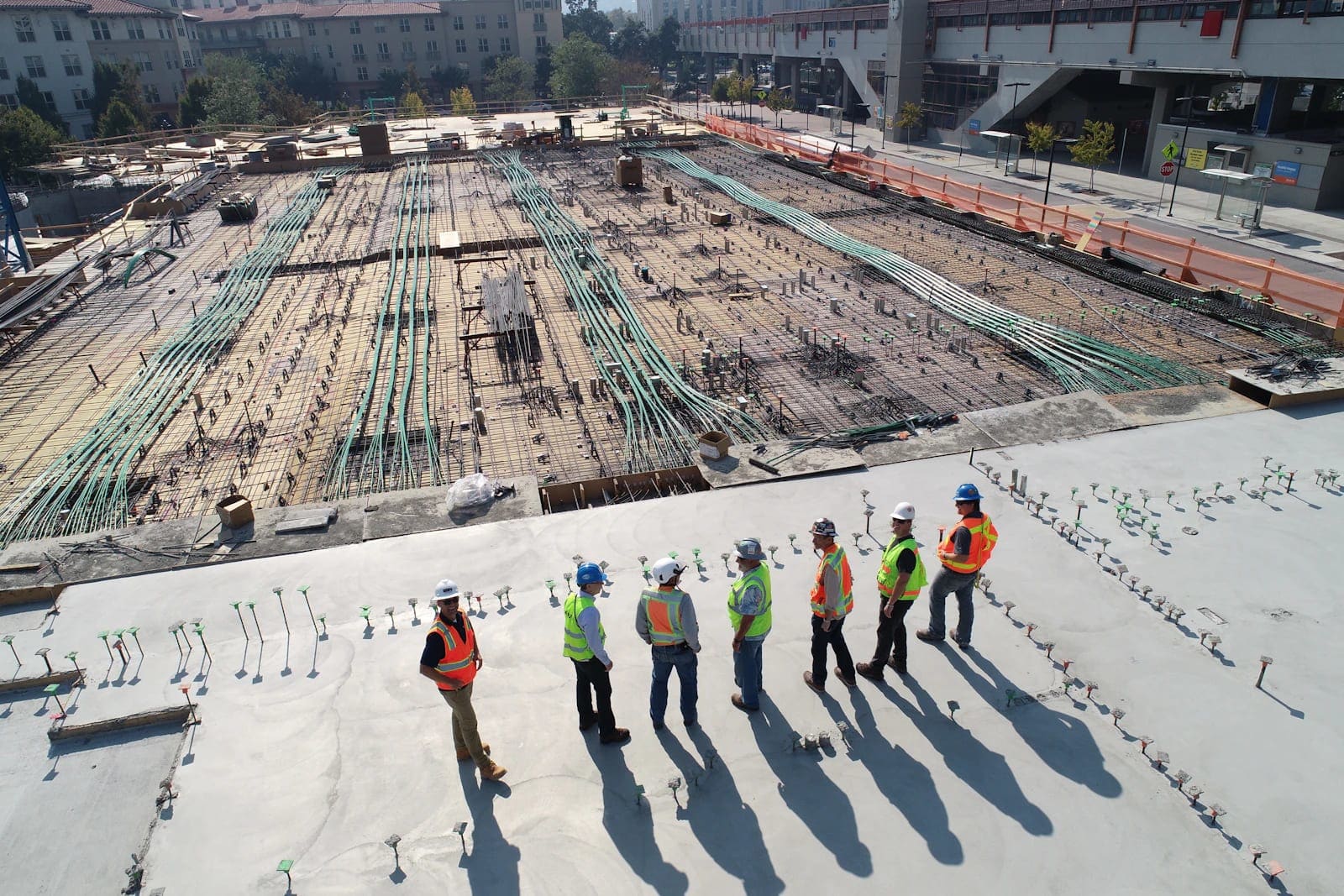
Higher Diploma in Civil Engineering
Course Overview
The Higher Diploma in Civil Engineering at LSCT sits in the Engineering & Science department and is built for technicians, HND finishers and graduate apprentices who want a serious Level 6 underpinning before applying for IEng or topping up to a BEng. Delivered over 15 to 18 months on-campus, fully online with simulation labs, or by structured distance learning, the programme covers structures, geotechnics, transport, water and the project-control work UK civil consultancies and contractors need from junior engineers.
From the first month you will be calculating loads, modelling beams, producing site drawings to BS 8888 and writing the kind of method statement a UK CDM 2015 principal contractor would actually approve. By the end you will have produced a portfolio of design calculations, an AutoCAD/Revit drawing set and a project-management plan that reads like the work of a graduate civil engineer.
The Higher Diploma in Civil Engineering timetable is built around UK assessment realities: continuous coursework that produces the artefacts employers actually ask for, plus end-of-module case-based assessments rather than rote examinations. Tutors include working practitioners drawn from the Thames Tideway works and the M4 industrial corridor — not only academics — so the standard being marked against is the standard engineering employers apply at first interview. Students join one cohort intake per year, so the cohort moves through the programme together and forms the working network that matters when first engineering-sector job applications start going out.
Key Features
- Syllabus aligned to ICE, IET and the Engineering Council UK EngTech and IEng competencies.
- Three study modes — on-campus, fully online with cloud-based modelling, or distance learning with a residential lab week.
- AutoCAD, Revit and SAP2000 licences for the duration of the programme.
- CDM 2015 module — the regulation framework every UK construction project sits under.
- Site-visit programme to live London civils projects (Thames Tideway, HS2-adjacent works, station upgrades).
- Geotechnics lab with soil-classification and triaxial-style demonstration sessions.
What You Will Learn
Graduates leave able to size a basic beam and column, classify soils, draw to British Standards, manage a small section of a site programme and reason about safety and sustainability. Modules include:
- Structural Analysis and Design
- Reinforced Concrete and Steel Design (Eurocodes)
- Geotechnics and Foundation Engineering
- Highways and Transport Engineering
- Hydraulics and Water Engineering
- Construction Materials and Sustainability
- Construction Management and CDM 2015
- BIM and Digital Engineering (Revit, NBS Chorus)
- Engineering Project and Dissertation
Who This Course Is For
- HND Civil Engineering or Construction finishers wanting a Level 6 step-up before IEng or a BEng top-up.
- Site engineers and setting-out technicians moving into design-engineer roles.
- Construction managers seeking the technical underpinning to handle structural and geotechnical input.
- International civil-engineering technicians needing a UK-recognised conversion route.
Career Pathways
Graduates feed UK consultancies, Tier 1 contractors, local authority infrastructure teams and rail and highways employers. Typical roles include:
- Site Engineer (civil)
- Junior Design Engineer (consultancy)
- BIM Coordinator
- Highways Technician
- Construction Project Engineer
- Geotechnical Technician
Many graduates progress to a BEng top-up or apply for IEng once eligible professional practice is logged.
One pragmatic note for prospective applicants: UK manufacturers, consultancies and infrastructure operators continue to recruit graduate engineers, and the Higher Diploma in Civil Engineering is designed to produce the documented portfolio that gets a CV read rather than only an academic transcript that does not. Coursework is structured so that, on graduation, you can hand a hiring manager three or four pieces of evidence — a project, a report, a deck, a documented intervention — that map directly to a published UK job description. Personal academic tutors also run two one-to-one careers conversations during the programme to keep that mapping honest.
Entry Requirements
- An Advanced Diploma (Level 5), HND, Foundation Degree, or equivalent prior study in civil engineering or construction.
- Three years' relevant work experience considered in lieu of academic prerequisites (mature applicants on site or in technical roles).
- English language: IELTS 6.0 overall (no band below 5.5) for non-native English speakers.
- A personal statement and one academic or professional reference — applicants should be comfortable with algebra, calculus basics and engineering mechanics.
Why Study at LSCT
The London School of Commerce and Technology (LSCT) is a specialist higher-education provider based in central London and part of Harold International College. We teach in small cohorts so every student is visible to their tutor, run a single intake schedule that students can rely on, and partner with UK professional bodies so qualifications carry weight with employers. London puts Whitehall, the City, Silicon Roundabout, the Royal Courts of Justice, the West End and the NHS estate within a short tube ride of every classroom — and our students use that proximity in their projects, placements and graduate job hunts. For civil-engineering students that means structured walk-throughs of live London infrastructure — Thames Tideway, Crossrail handovers and station-upgrade projects — and guest sessions from ICE-affiliated UK engineers.
The teaching model is small-cohort and tutor-led on purpose. Discussion-based seminars, regular formative feedback and structured peer-review are how engineering-rigour is built — none of which scales to large lecture halls. Personal academic tutors are assigned at enrolment, and every student has a named contact for academic, pastoral and career-related questions. UK and international students mix in every cohort, which becomes an active strength in case sessions, group projects and the engineering-sector network that follows you after graduation.
Beyond classroom contact, the Higher Diploma in Civil Engineering makes deliberate use of UK-specific resources that international comparators cannot reach as easily: open government data on the gov.uk estate, parliamentary publications, House of Commons Library briefings, Bank of England datasets, ONS releases and the open-access research output of British universities. Throughout the programme, tutors expect engineering-rigour writing — calculation-led, with assumptions stated up front. Graduates often describe leaving LSCT with a set of writing and analytical habits they continue to use across a UK career — not only a transcript and a portfolio.
Apply for Higher Diploma in Civil Engineering
Close the gap to a Bachelor's degree with the Higher Diploma in Civil Engineering. Click Enrol Now to apply; admissions confirm your credit-transfer route within one working day, including HND, ONC or apprenticeship credits.