MA in Journalism & Media Technology
Course Overview
The MA in Journalism & Media Technology at the London School of Commerce and Technology (LSCT) is a one-year postgraduate degree for reporters, producers and editors who want to work fluently with the technology now embedded in every UK newsroom - content management systems, audience analytics, automated production tools, AI assistance and the platform economics that pay for journalism.
You will publish weekly into a live LSCT-run digital title, build a working data-journalism project against UK open data, and write a 12,000-word dissertation defended in viva. Online, on-campus and distance routes are available from 2026.
Industry Context
UK newsrooms in 2026 are juggling AI-assisted production, audience-metric-driven editing and the steady tightening of platform-economic pressure on the trade. The MA in Journalism & Media Technology is sequenced against that landscape: students learn the contemporary toolset (CMS, analytics, generative tools, FOI) and the editorial controls that keep AI use defensible. Tutors include working digital editors and data journalists. Module structure is confirmed at enrolment.
Assessment Approach
Assessment on the MA in Journalism & Media Technology combines a published portfolio (weekly newsroom output), a data-journalism project and a 12,000-word dissertation defended in viva. Students leave with bylines, a working data project and a defensible written argument they can show at a digital-editor interview.
Key Features of the MA in Journalism & Media Technology
- UK Master's degree with curriculum oversight reviewed by NCTJ-affiliated tutors and serving editors.
- Three study modes with shared newsdays running across all routes.
- Live newsroom strand from week one - students publish to a real audience.
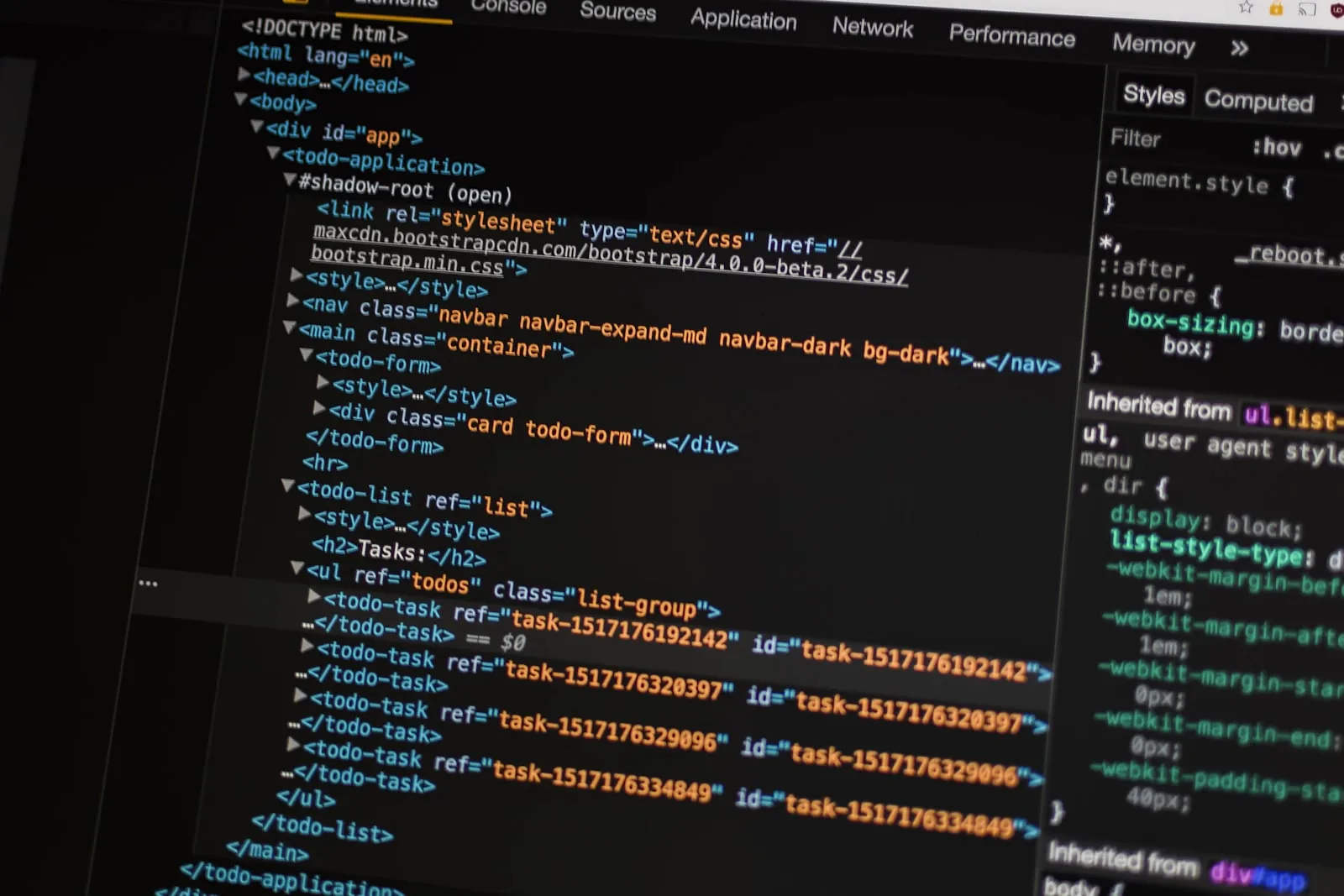
- Data journalism module using Python, SQL and FOI-driven story development.
- AI in newsrooms module covering generative tools, attribution and editorial controls.
- Dissertation defended before a panel including a serving digital editor.
What You Will Learn
The MA is structured around the modern newsroom toolset: source, file, edit, publish, measure, defend. You will graduate able to file a multimedia story to a live CMS, build a data-driven explainer, and articulate where AI does and does not belong in a news production line.
- Advanced news writing and feature production
- Data journalism - Python, SQL, mapping
- FOI tradecraft and investigative methods
- Newsroom CMS, structured content and SEO
- Audience analytics and reader-revenue thinking
- AI-assisted production - risks, controls and attribution
- Media law for journalists - defamation, contempt, privacy, data protection
- Platform economics and media business models
- Editorial ethics and the role of journalism in democracy
Who This Course Is For
- Working reporters and producers upgrading their technology fluency.
- Recent journalism graduates wanting a postgraduate qualification.
- Editors moving into product or audience-development roles.
- International students aiming for the UK and European newsroom market.
Career Pathways
Graduates work across UK national and regional titles, broadcasters, digital natives, specialist trade press and NGO newsrooms, with a steady stream of placements in London-based media organisations. Typical destinations include:
- Multimedia Journalist
- Broadcast Producer (TV, radio, podcast)
- News Reporter (digital-first)
- Data Journalist
- Digital Editor
- Editorial Product Manager
The MA is also a credible base for doctoral research in journalism, communication or platform studies.
Entry Requirements
- A UK 2:2 honours degree (or international equivalent) in any subject - journalism background not required.
- Applicants from non-cognate fields may apply with five years' senior professional experience in journalism, media or communications.
- IELTS 6.5 overall (no band below 6.0) for non-native English speakers.
- A personal statement, two references and a 500-800 word dissertation proposal, plus one piece of published or unpublished journalism for portfolio review.
Why Study at LSCT
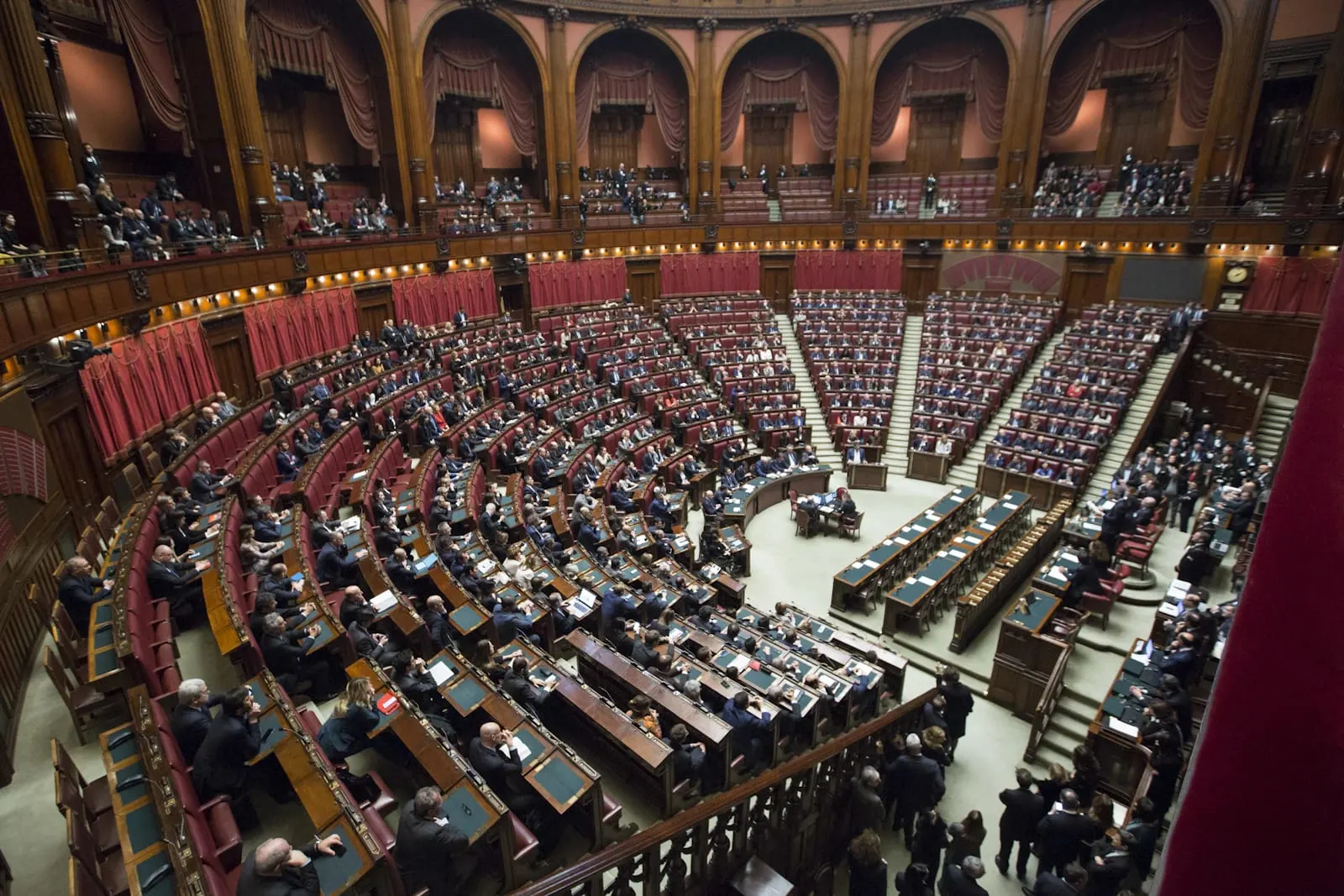
The London School of Commerce and Technology (LSCT) is a specialist higher-education provider based in central London and part of Harold International College. We teach in small cohorts so every student is visible to their tutor, run a single intake schedule that students can rely on, and partner with UK professional bodies so qualifications carry weight with employers. London puts Whitehall, the City, Silicon Roundabout, the Royal Courts of Justice, the West End and the NHS estate within a short tube ride of every classroom - and our students use that proximity in their projects, placements and graduate job hunts. Journalism students cover Westminster, the Royal Courts of Justice and City Hall as part of their course, not as field trips.
Why Study the MA in Journalism & Media Technology at LSCT
The MA sits inside the LSCT Media, Journalism & Communication department alongside investigative journalism, PR and digital-content cohorts. Journalism students cover Westminster, the Royal Courts of Justice and City Hall as part of their course, not as field trips, and the live newsroom strand publishes to a real audience from week one. Module structure is confirmed at enrolment, and the dissertation supervisor pool includes serving digital editors so students writing into newsroom practice get supervision from people running that practice.
Apply for the MA in Journalism & Media Technology
Specialise at postgraduate level with the MA in Journalism & Media Technology. Click Enrol Now to apply; admissions teams reply within one working day with scholarship and funding guidance for working journalists.