MSc in Environmental Engineering
Course Overview
The MSc in Environmental Engineering sits within LSCT's Engineering & Science department and is built for engineers and scientists targeting senior UK consultancy and regulator roles - water utilities, contaminated-land specialists, air-quality teams and the planning consultancies running environmental impact assessments. The degree runs one year full-time or two years part-time across on-campus, online and distance routes from central London.
You will move from environmental fundamentals into the applied UK practice the Environment Agency, water companies, local authorities and consultancies use day-to-day: EIA, contaminated-land risk, water and wastewater treatment, air-quality modelling, and the regulatory frameworks (UK environmental law post-Brexit, OEP oversight, water and net-zero targets). The MSc is aligned with the Engineering Council UK, ICE and CIBSE crossover competencies and closes with a sponsor capstone.
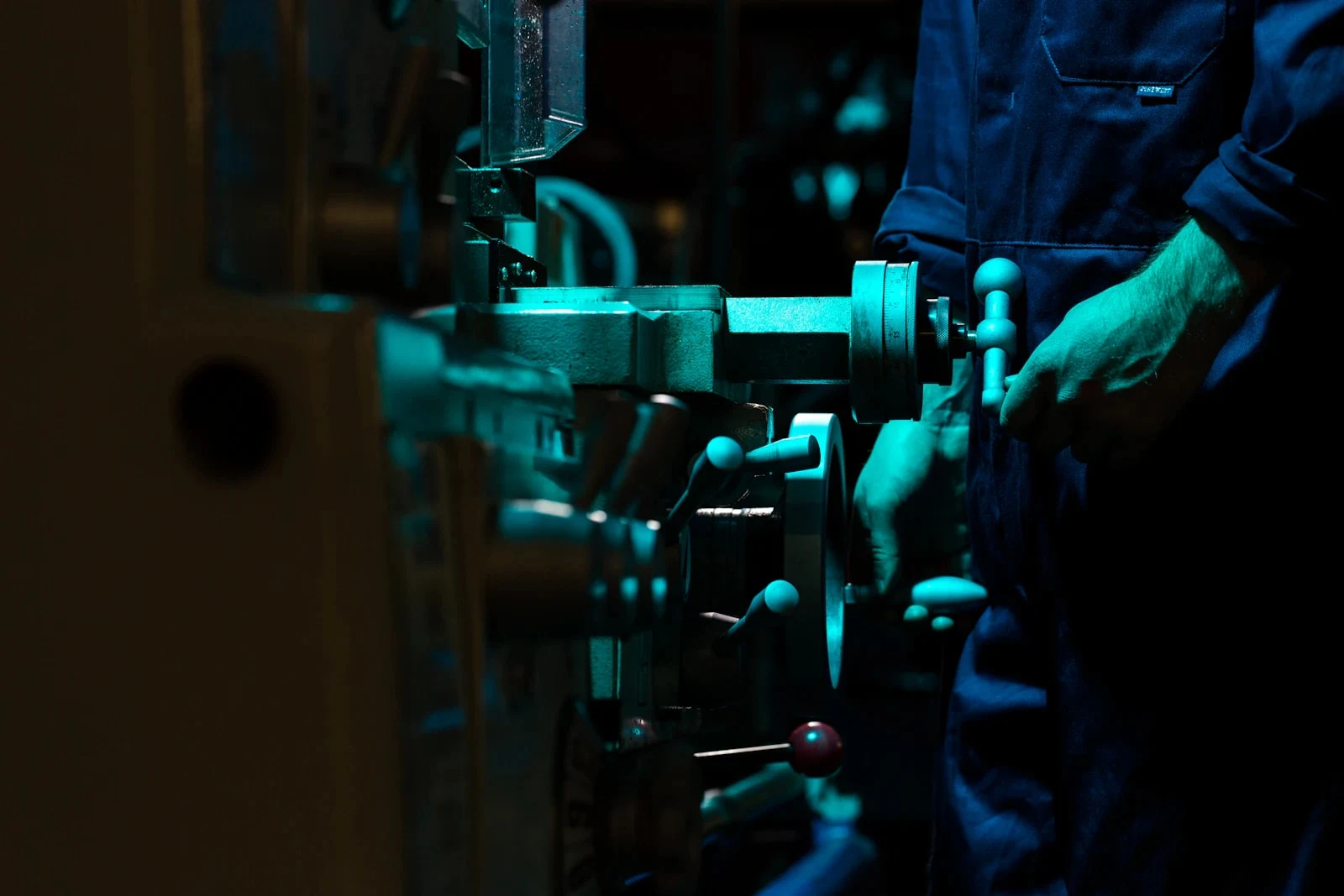
Engineering is a hands-on discipline, and the programme is built around lab, site and CAD time rather than purely theoretical exposition. Every taught module ends in an assessed practical or simulation exercise, and faculty include practising engineers from UK consultancies, contractors and public-sector engineering teams.
The postgraduate calendar is built around UK working practice - block teaching where required for full-time professionals, supervised research time, and structured capstone or dissertation pathways. Students are matched to a supervisor on substantive fit, and the dissertation or capstone is expected to be of a standard suitable for industry circulation, not only academic submission.
Key Features
- UK regulatory focus - Environment Agency, OEP, water and air-quality frameworks.
- Aligned with Engineering Council UK, ICE and CIBSE crossover competencies.
- EIA module - UK planning and environmental impact assessment in working practice.
- Sponsor capstone with a UK consultancy, water company or local authority.
- Three study modes with mandatory site-visit blocks for online and distance learners.
- Contaminated-land specialism - UK Part 2A regime and risk-assessment practice.
What You Will Learn
The MSc in Environmental Engineering is structured around five core modules, two electives and a capstone. You will leave able to scope an EIA chapter, evaluate a water-treatment plant performance, assess contaminated-land risk to UK guidance, and brief a regulator on a compliance issue.
- UK environmental regulation - Environment Act 2021, OEP, water and air frameworks.
- Water and wastewater engineering - treatment, distribution and asset planning.
- Air quality and emissions - modelling, monitoring and UK statutory limits.
- Contaminated land - Part 2A, CLEA model and site investigation.
- Environmental impact assessment - UK EIA Regulations 2017 in working practice.
- Climate and net-zero engineering - UK target framework and decarbonisation projects.
- Sustainability and circular economy - UK industry direction and case material.
- Research methods - quantitative modelling, sampling and report writing.
Assessment is built around the documents and deliverables UK engineering practice actually produces: technical drawings, calculation packs, design reports, method statements, risk assessments, simulation outputs and small site or lab investigations. Faculty include practising engineers from UK consultancies and contractors, and feedback is calibrated to Engineering Council UK competency expectations.
Who This Course Is For
- Graduate civil and environmental engineers ready to deepen UK consultancy practice.
- Water-company staff and local-authority environmental health professionals moving into senior roles.
- Career changers in their thirties with STEM grounding moving into environmental consultancy.
- International applicants targeting UK chartered-engineer routes via ICE or CIBSE.
Cohort sizes are deliberately capped so that lab and CAD work remain genuinely individual. Students from a wide range of UK and international engineering backgrounds - site, design office, manufacturing, research, public-sector engineering - study together, and the cross-discipline mix is one of the most valuable elements of the programme.
Career Pathways
UK environmental consultancy is in long-running expansion driven by EIA workload, decarbonisation projects and water-sector investment. Typical post-MSc destinations include:
- Environmental Consultant at a UK multidisciplinary or specialist consultancy
- Site Engineer on civils or water-treatment projects
- Construction Project Engineer on environmental works packages
- Industrial Engineer with environmental compliance responsibility
- Graduate Mechanical Engineer (chartered route) in a clean-tech consultancy
- Lab Technician at a UK environmental testing or research facility
Graduates routinely progress into chartered-engineer status via ICE or Engineering Council UK.
LSCT's relationships with UK consultancies, contractors and engineering trade bodies support a steady flow of site visits, capstones and first-job introductions. Graduates regularly return to the school as guest tutors and project sponsors, which keeps the curriculum aligned with what UK engineering employers are actually hiring for in the year ahead.
Entry Requirements
- A UK 2:2 honours degree (or international equivalent) in engineering, environmental science, chemistry or a closely related subject.
- Applicants from non-cognate fields may apply with five years' senior environmental, water or planning consultancy experience.
- IELTS 6.5 overall (no band below 6.0) for non-native English speakers.
- A personal statement, two references and a 500-800-word capstone proposal. Lab and field coursework evidence is taken into account at admissions.
Why Study at LSCT
The London School of Commerce and Technology (LSCT) is a specialist higher-education provider based in central London and part of Harold International College. We teach in small cohorts so every student is visible to their tutor, run a single intake schedule that students can rely on, and partner with UK professional bodies so qualifications carry weight with employers. London puts Whitehall, the City, Silicon Roundabout, the Royal Courts of Justice, the West End and the NHS estate within a short tube ride of every classroom - and our students use that proximity in their projects, placements and graduate job hunts. For environmental students, the proximity to Defra, the Environment Agency and London's water and air-quality projects is a working asset.
The Engineering & Science department runs a structured site-visit programme across each term - to UK infrastructure projects, manufacturing plants, laboratories and renewables installations - plus a guest-speaker series with working chartered engineers. Students on all three study modes are invited, with sessions recorded for later review.
Apply for MSc in Environmental Engineering
Specialise at postgraduate level with the MSc in Environmental Engineering. Click Enrol Now to apply; admissions teams reply within one working day with scholarship and funding guidance. Indicate sector and sponsor preference in your proposal so capstone scoping can begin.
If you are unsure whether your prior coursework or site experience is enough, the LSCT admissions team can arrange a short conversation with a current tutor - engineering admissions are calibrated to working evidence as much as to formal qualifications, and several students join after a short technical conversation clarifies the right entry point.