Diploma in Tourism Management (DTM006)
Diploma in Tourism Management (DTM006) at LSTH
The travel industry needs people who can do the job today, not just study it for three years. The Diploma in Tourism Management (DTM006) at the London School of Tourism and Hospitality is built for learners who want a recognised qualification that gets them into agencies, tour operators and tourism organisations relatively quickly, with a solid grasp of how the work runs day to day.
This is a Diploma-level programme, which positions it well for school leavers, career changers and existing travel staff who want a formal credential without committing to a full undergraduate degree. The Diploma in Tourism Management (DTM006) is one of LSTH's foundational tourism qualifications.
What the Industry Actually Needs
Day to day, tourism work is a mix of customer handling, product knowledge, operational planning and a bit of marketing intuition. The romantic image of constant travel is mostly mythology; the real job is more like running a careful supply chain with happy people at the end of it. A good diploma teaches both sides honestly.
Who the Diploma in Tourism Management (DTM006) Is For
- School leavers drawn to tourism and travel.
- Travel-agency staff wanting a formal qualification on top of experience.
- Hospitality workers moving across into destination and tourism roles.
- International students aiming at tour operators and DMCs.
Career Pathways
Graduates of the Diploma in Tourism Management (DTM006) typically progress into roles such as travel consultant, tour operations executive, reservations agent, destination marketing assistant and product coordinator. Some use the diploma as a step into a bachelor's later. Outcomes depend on local hiring conditions and language skills.
How the Programme Runs
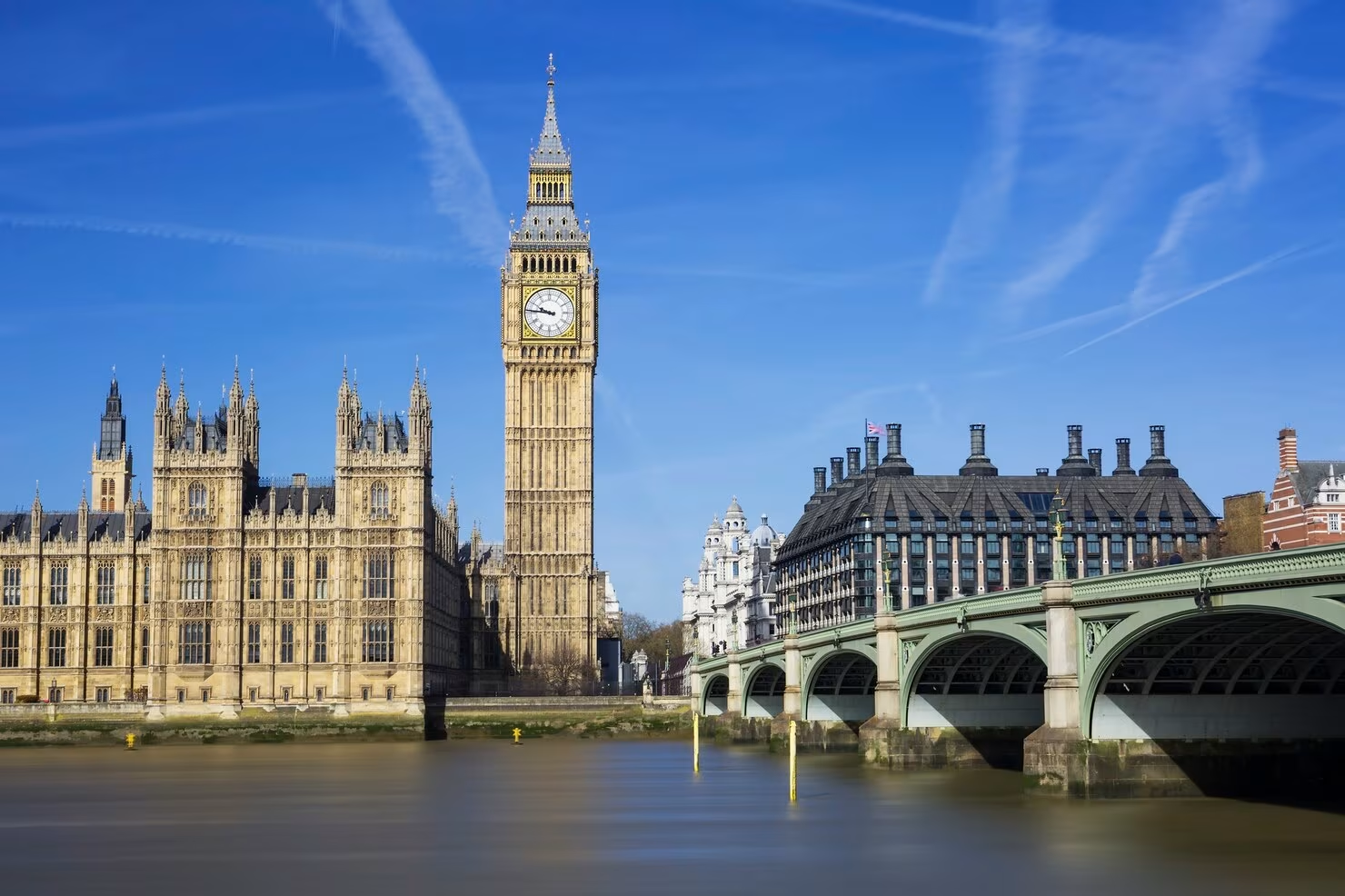
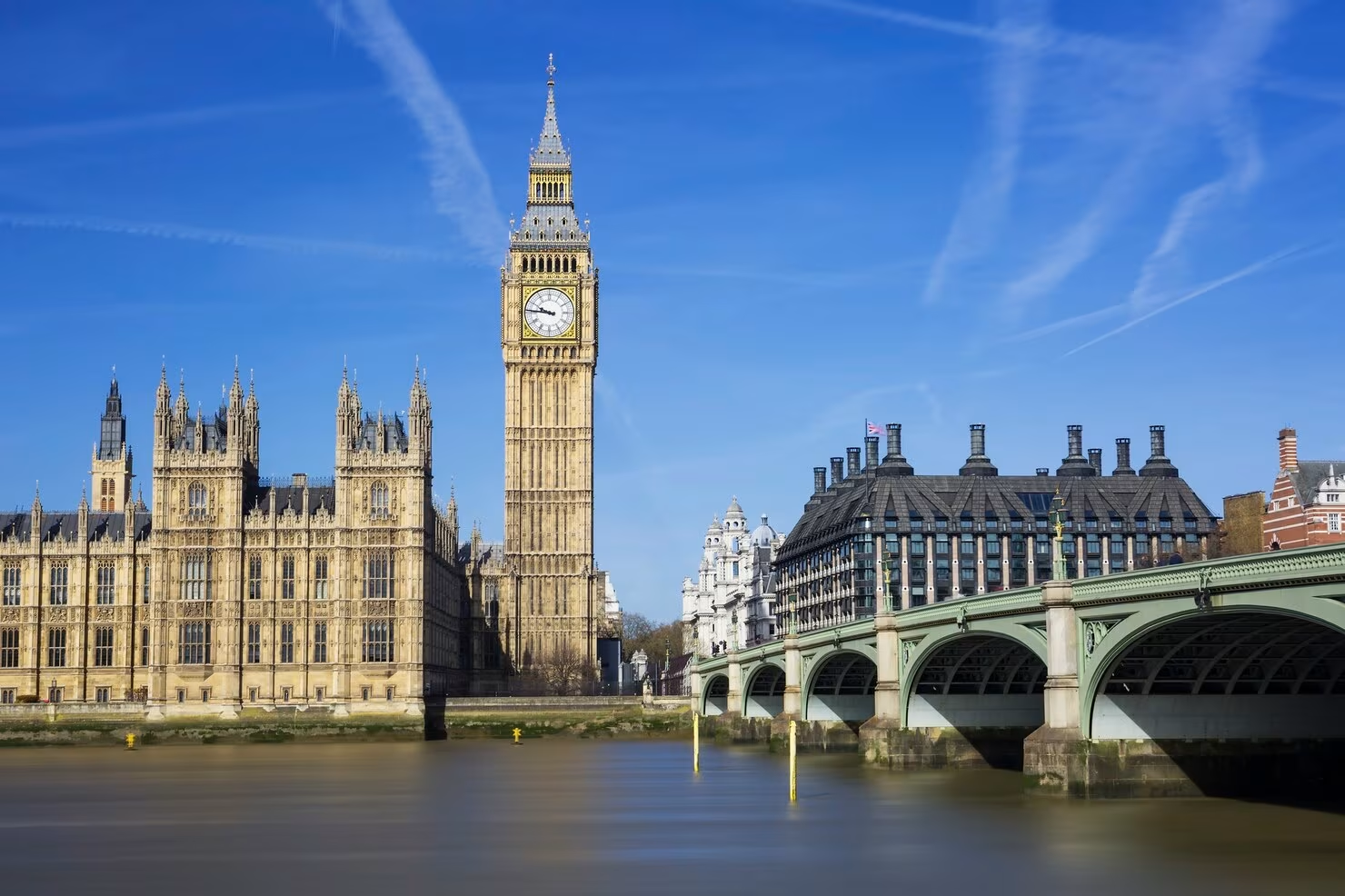
Delivery is campus-based with case work, group projects and supporting online materials. London is itself one of the world's busiest visitor destinations, which makes the case studies feel real. Module structure and intake calendar are confirmed at enrolment.
Entry Requirements
- Secondary school qualifications or equivalent.
- IELTS 5.5 for international applicants.
- Aged 17 or above at intake.
- Genuine interest in destinations and travel.
Apply for the Diploma in Tourism Management (DTM006)
If you want a working qualification in tourism that gets you industry-ready, click Enroll Now. Admissions will respond within one working day.