Advanced Diploma in Business Intelligence
Course Overview
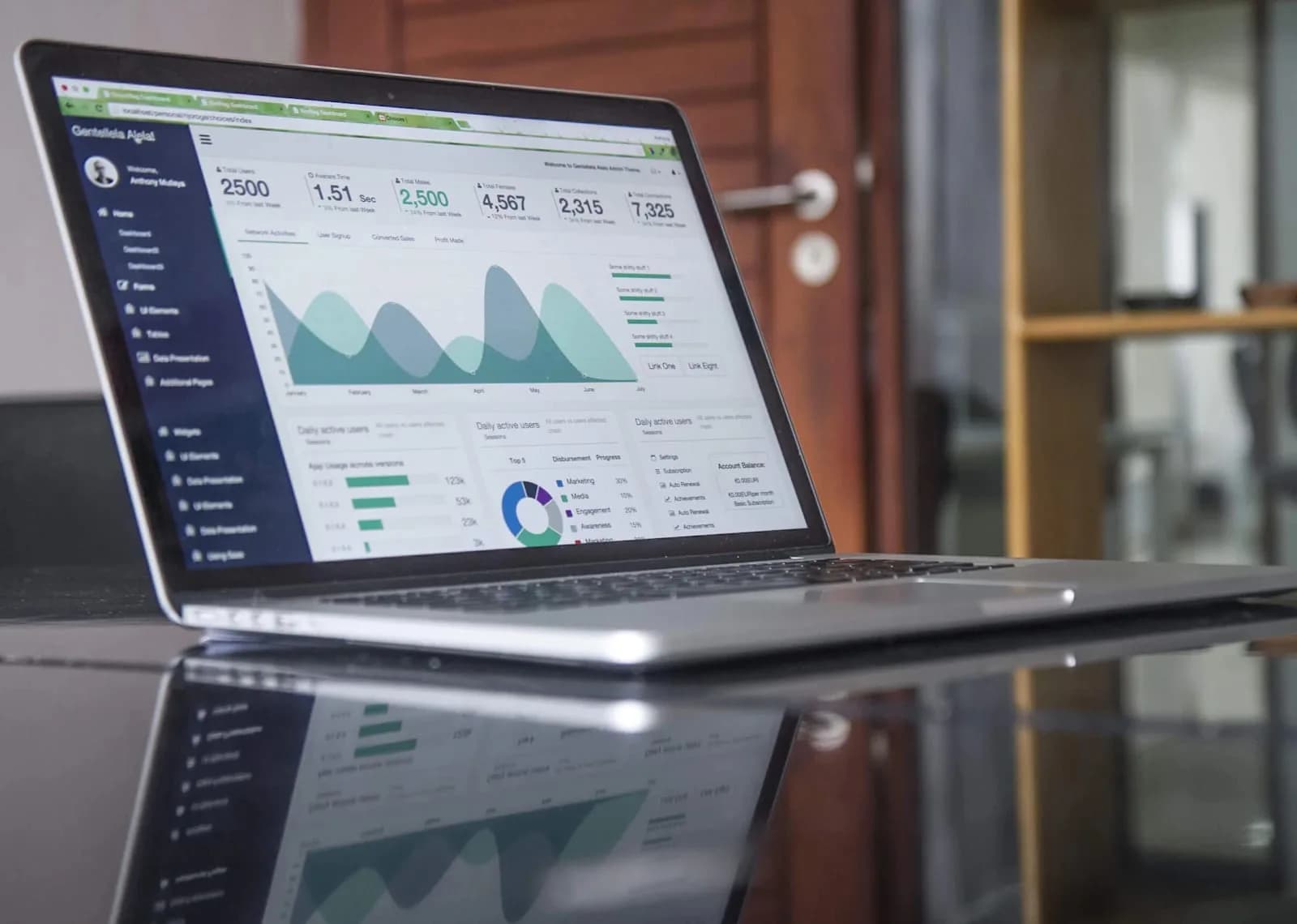
The Advanced Diploma in Business Intelligence at the London School of Commerce and Technology (LSCT) is a 12 to 15 month Level 5/6 qualification for analysts and BI developers who need to move from reporting requests into operational decision-making. Sitting in the Business & Commerce department, the programme builds the data modelling, visualisation and stakeholder skills required to brief a finance director rather than just hand them a CSV.
You will work with real, anonymised operational data sets from London SMEs and one charity-sector partner. By final assessment you will have built a working analytics dashboard, written its supporting board paper, and defended both at a viva involving a serving BI lead. Online, on-campus and distance routes are available from 2026.
Key Features
- Level 5/6 UK Advanced Diploma with industry input from CIM-affiliated and PMI-affiliated practitioners.
- Three flexible study modes with one common dashboard project repository for cohort review.
- Power BI and Tableau parallel teaching - students leave fluent in both.
- Live SME analytics brief delivered to a real London business each cohort.
- KPI design module co-taught with a CIMA-qualified financial controller.
- Final viva in front of a working BI lead from a UK retailer or fintech.
What You Will Learn
The diploma is built around the loop a BI professional actually runs: scope, model, build, brief and revise. You will graduate able to translate a vague executive question into a measurable analytic, design a data model that does not collapse on quarter-end, and turn a 1,200-row table into one chart that answers the question.
- Data modelling and dimensional design (Kimball)
- SQL for analytics, including window functions and CTEs
- Power BI and Tableau dashboard development
- DAX and calculated measures
- KPI design, OKRs and the balanced scorecard
- Storytelling with data and executive briefings
- Data governance, lineage and data quality
- Forecasting basics and what-if scenarios
Who This Course Is For
- Junior BI analysts moving into senior or lead-analyst roles.
- Finance and operations professionals adding analytics to their toolkit.
- Marketing and CRM analysts deepening modelling skills.
- Career switchers from IT support or consultancy moving into analytics.
Career Pathways
Graduates work across UK retail, fintech, public-sector data teams and consultancies, with steady demand from City employers and the King's Cross data corridor. Typical destinations include:
- Business Intelligence Analyst
- Data Analyst progressing to Senior Analyst
- Reporting & Insight Manager
- Financial Analyst with BI specialism
- Marketing Analyst
- Operations Analyst
The diploma also articulates into an MSc in Data Analytics or Digital Transformation.
Entry Requirements
- A relevant Diploma (Level 4), Foundation Year, or at least two years of professional experience in an analytical or reporting role.
- GCSE English Language at grade 4/C and Mathematics at grade 4/C (or equivalent) - comfortable with numbers is a hard requirement for this course.
- English language: IELTS 6.0 overall (no band below 5.5) for non-native English speakers.
- A short statement of intent and one academic or professional reference, plus a sample of any prior analytics work where available.
Why Study at LSCT
The London School of Commerce and Technology (LSCT) is a specialist higher-education provider based in central London and part of Harold International College. We teach in small cohorts so every student is visible to their tutor, run a single intake schedule that students can rely on, and partner with UK professional bodies so qualifications carry weight with employers. London puts Whitehall, the City, Silicon Roundabout, the Royal Courts of Justice, the West End and the NHS estate within a short tube ride of every classroom - and our students use that proximity in their projects, placements and graduate job hunts. For BI students that proximity is concrete: the SME analytics briefs come from businesses you can walk to.
Industry Context for the Advanced Diploma in Business Intelligence
The Advanced Diploma in Business Intelligence is sequenced against the working conditions of UK employers from 2026 onwards. Business and commerce employers in the UK are recruiting across both technical and managerial tracks, and decision-makers consistently report that the gap between a strong CV and a weak one is the presence of documented project work rather than only a transcript. Tutors translate sector trends - from regulatory change to platform consolidation - into the way coursework is briefed, so that the artefacts you assemble across modules are directly recognisable to a hiring manager. Reading lists and case material are refreshed each intake so the programme tracks the contemporary picture rather than a generic textbook chapter.
Cohorts include UK and international students from a wide range of starting points, and the mix is treated as an asset in seminar discussion. Group projects deliberately cross experience levels so that each student practises the kind of cross-functional collaboration that defines working life in the sector. The single annual intake means every cohort moves through the calendar together - building the kind of peer network that, in practice, opens many of the first job conversations after graduation.
Assessment Approach for the Advanced Diploma in Business Intelligence
The Advanced Diploma in Business Intelligence is assessed continuously across the year rather than weighted entirely on a final examination. Each module produces a portfolio artefact - a short report, a worked case, a presentation, a reflective journal entry or a defended project - and these accumulate into a working evidence set you can take to an interview panel. Tutors mark to UK employer expectations and give written feedback within published turnaround windows. Reasonable adjustments and English-language support are available, and the personal academic tutor signs off the assessment plan at the start of each term so the workload is visible from week one.
Apply for the Advanced Diploma in Business Intelligence
Step up into the senior track with the Advanced Diploma in Business Intelligence. Click Enrol Now and our admissions team will respond within one working day with intake dates and credit-transfer guidance for prior data study or vendor certifications.