BA in Film & Television Production
Course Overview
UK film and television production from 2026 spans heritage broadcasters, streaming commissioners, regional studio expansion outside London, and a healthy independent feature scene - graduate-route entry remains competitive but real. The BA in Film & Television Production at LSCT trains for that work. The three-year honours degree sits within Media, Journalism & Communication, runs on-campus, online or by distance learning, and is taught from a central London campus within reach of UK production hubs.
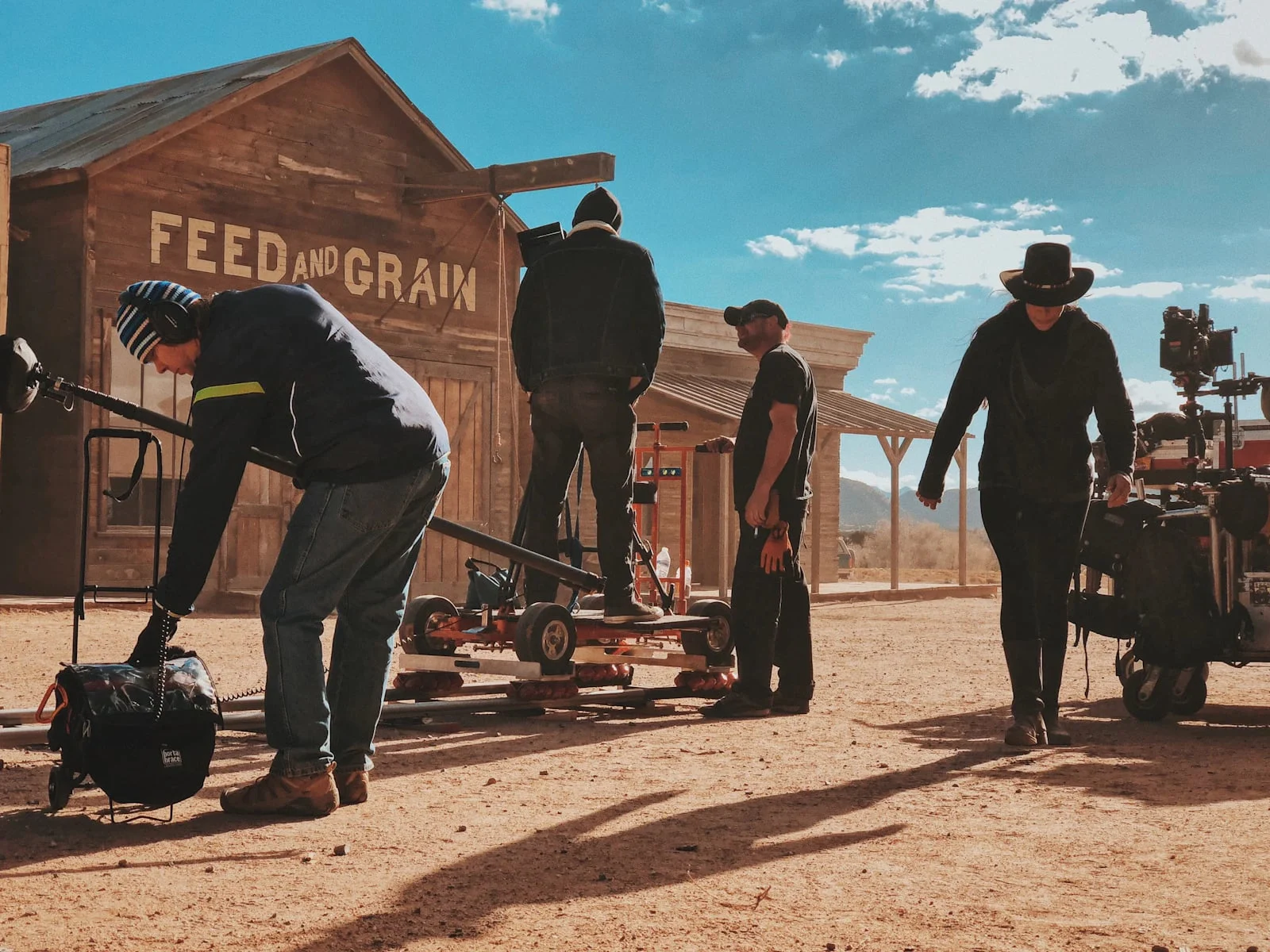
From year one you will work in production crews, taking projects from script through pre-production, shoot, edit and grade. Year two includes an industry placement with a UK production company, broadcaster or post house. The BA closes with a graduating film or TV pilot project - pitched, produced and delivered to a public screening.
Editorial work runs on deadlines, and the programme is timetabled around real publication cycles - week-of newsdays, fortnightly long-form pitches and termly portfolio reviews - rather than a uniform lecture-and-essay rhythm that bears little resemblance to a newsroom or content desk.
Across the three years, students take a structured progression from foundational modules into electives and a final-year capstone or dissertation, with year-two industry placement built into the calendar. The course design balances academic rigour with applied practice, and students leave with both a UK honours degree and a portfolio of working-context evidence for employer applications.
Key Features
- Crewed production work from year one, with rotating roles (director, DP, sound, edit).
- Aligned with the Royal Television Society and BBC Academy early-career frameworks.
- Year-two placement with a UK production company, broadcaster or post-production house.
- Three study modes with mandatory in-person shoot blocks for online and distance learners.
- Industry-standard kit - RED / ARRI bodies, professional lighting and DaVinci Resolve grade suites on-campus.
- Public screening of graduating films and pilots at a London venue.
What You Will Learn
The BA in Film & Television Production is structured around ten taught modules and a graduating project. You will leave able to develop a short film or pilot from script to delivery, hold a crew brief, light an interior, run a DIT workflow, and grade and mix to broadcast-acceptable standards.
- Screen story and script development - short film, drama, documentary.
- Directing - actor work, blocking, visual language and tonal control.
- Cinematography - camera, lighting, lensing and DIT workflow.
- Sound recording and design for production and post.
- Editing - narrative structure, pacing and Avid / Premiere / Resolve craft.
- Producing - scheduling, budgeting, UK production paperwork and clearances.
- UK film and TV industry - broadcasters, streamers, BFI / Screen UK funding routes.
- Post-production and delivery - colour grade, sound mix and broadcast deliverables.
Assessment across the programme is built on published or pitchable artefacts: news stories, features, scripts, treatments, picture stories, podcast episodes, social-first cuts and editorial briefings. Faculty mark against the same standards a UK newsroom or production company applies - accuracy, structure, tone, rights and time-to-publish - and feedback is delivered in the format students will encounter in working desks.
Who This Course Is For
- A-level leavers aiming for UK production-trainee schemes or independent commissioning routes.
- International students seeking a UK-recognised film and TV production degree.
- Career changers in their twenties moving into production from marketing, journalism or theatre.
- Creative writers, photographers and editors ready to formalise screen-craft skills.
Career Pathways
UK film and television production is structurally precarious but rewards craft and persistence - and the BA in Film & Television Production puts a graduating screening reel into every student's hand. Typical first roles include:
- Broadcast Producer (junior) at a UK independent or broadcaster commission
- Editorial Researcher in TV, podcast or longform documentary production
- Multimedia Journalist for a UK newsroom or current-affairs strand
- Digital Editor on a UK publisher or broadcaster content desk
- Freelance Production Assistant, Camera Operator or Editor on UK commissions
- Content Strategist within a UK scale-up or membership body needing screen work
Graduates routinely progress onto the LSCT MA in Film & Television Production or postgraduate practice degrees.
Graduates routinely return to LSCT as guest editors, picture-desk reviewers and pitch panellists, which keeps the school plugged into how UK newsrooms and content teams are actually hiring. The faculty's working relationships across UK media - broadcast, publisher and independent - feed directly into pitch opportunities and first-job introductions for current students.
Entry Requirements
- Three A-levels at grades BBC or above, or an equivalent UK / international qualification.
- GCSE English Language at grade 5/C or above (or equivalent).
- IELTS 6.5 overall (no band below 6.0) for non-native English speakers.
- A personal statement plus a portfolio of screen work or written treatments; mature applicants (21+) may apply with a portfolio and a short interview.
Why Study at LSCT
The London School of Commerce and Technology (LSCT) is a specialist higher-education provider based in central London and part of Harold International College. We teach in small cohorts so every student is visible to their tutor, run a single intake schedule that students can rely on, and partner with UK professional bodies so qualifications carry weight with employers. London puts Whitehall, the City, Silicon Roundabout, the Royal Courts of Justice, the West End and the NHS estate within a short tube ride of every classroom - and our students use that proximity in their projects, placements and graduate job hunts. For film and TV students, the proximity to UK broadcasters, Soho post houses and London locations is a working asset.
The Media, Journalism & Communication department runs a termly newsroom open day and a quarterly editor-in-residence programme with working UK senior editors and producers. Students on all three study modes are invited to participate, and the sessions are recorded for catch-up review.
Apply for BA in Film & Television Production
The BA in Film & Television Production is built to launch your career in the Media, Journalism & Communication sector. Click Enrol Now to submit your application; admissions reply within one working day. A portfolio link or treatment sample is welcome - anything you have already shot, written or cut helps an application.
If you are unsure how your portfolio reads, the LSCT admissions team can arrange a short pre-application conversation with a current tutor - we look at intent and trajectory, not only existing publication credits, and several students join with little more than a blog and a clear sense of why they want to work in UK media.