Diploma in Business Operations
Course Overview
The Diploma in Business Operations sits inside the Business & Commerce department at LSCT and is built for coordinators, team leaders and apprenticeship graduates who want to step into operations-manager seats inside UK SMEs and large corporates. Delivered over 9 to 12 months on-campus in central London, fully online or by structured distance learning, the programme covers process design, supplier management, basic finance, UK employment-law fundamentals and the day-to-day reality of running a UK business operation under Companies House and HMRC rules.
From your first month you will be mapping real processes, building actual supplier matrices and reading current UK Modern Slavery Act statements rather than only studying textbook flows. By the end you will hold a UK-recognised diploma, an operating-handbook portfolio and a clear next step into the Higher Diploma in Operations Management or a UK Operations Manager hire.
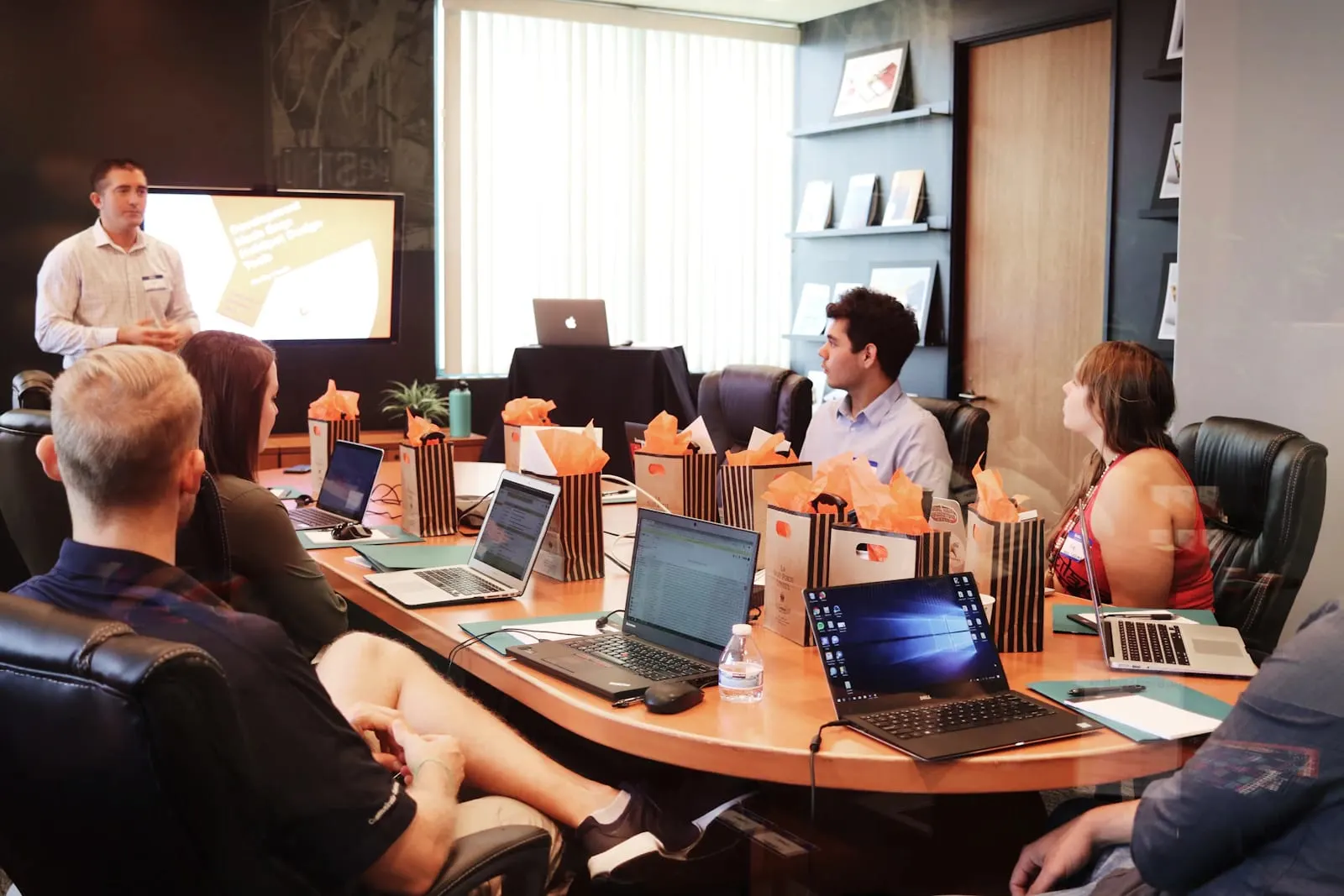
The programme runs on a monthly assessment rhythm with live cases, peer review and structured presentations to the cohort. Tutors include working UK practitioners - finance directors, operations leads, senior buyers and consultants - who bring in real anonymised business problems each term. Cohort sizes are deliberately small so each student can defend their analysis face-to-face rather than hide behind a written submission.
Key Features
- CIPS- and APM-aware syllabus reflecting Chartered Institute of Procurement & Supply and Association for Project Management standards.
- Three study modes - on-campus in central London, fully online with live process-mapping labs, or structured distance learning.
- Process-mapping studio using BPMN 2.0 on a real-style UK SME case.
- UK Modern Slavery Act 2015 module covering supplier due diligence and statement preparation.
- Finance-for-operations unit covering working capital, basic P&L and the Bank of England base-rate impact on UK SMEs.
- Direct progression into the Higher Diploma in Operations Management and BSc top-up routes.
What You Will Learn
You will graduate able to map a UK SME process, run a tender, read a working-capital report and explain to a managing director why a particular operations change is or is not worth the disruption. Modules include:
- Business Process Design and BPMN 2.0
- Supplier Management and Tendering
- Inventory and Working Capital Basics
- UK Modern Slavery Act 2015 and Supplier Due Diligence
- People Management Fundamentals Under UK Employment Law
- Operations Finance: P&L, KPIs and Variance
- Continuous Improvement: Lean and Kaizen for Office Operations
- UK Companies House and HMRC Compliance for Operations
Assessment is portfolio-led with structured presentations: you are graded on the written analysis, the supporting model and the live defence of your conclusions in front of the cohort and a working UK practitioner. This pattern is deliberate - it mirrors how UK finance, operations and consulting candidates are actually tested at interview, and it forces every student to develop the habit of defending a number on a slide rather than producing a beautifully designed deck that falls apart under questioning.
Who This Course Is For
- Coordinators and team leads stepping into UK SME operations-manager seats.
- Apprenticeship graduates moving into a recognised operations qualification.
- Career changers from retail, hospitality or admin entering UK business operations.
- International applicants seeking a UK-recognised operations diploma before BSc top-up.
Hybrid candidates with one foot in operations, finance or marketing and the other in data are particularly well-served, since UK employers increasingly hire for analytical generalists rather than narrow specialists.
Career Pathways
Graduates step into the operations-coordinator and junior operations-manager roles that UK SMEs, professional-services firms and corporate functions recruit from each quarter. Typical first roles include:
- Operations Coordinator (UK SME or charity)
- Junior Operations Manager
- Process Improvement Officer
- Supplier Manager (junior)
- Business Administration Lead
- Customer Operations Manager (junior)
Graduates often progress to the Higher Diploma in Operations Management or to a BSc Operations Management top-up.
Beyond the obvious sector employers, graduates are also picked up by UK consultancies and Big Four advisory practices building internal capability, and by mid-market private-equity-backed firms looking for analytically literate generalists. Hiring conversations typically test how you defend a number on a slide rather than how many slides you can produce, so the analytical portfolio you build during the programme matters more than the certificate itself.
Recent intakes have included career changers from hospitality, returners after parental leave, military-leavers and small-business owners formalising operational and financial skills - the cohort mix itself becomes part of the curriculum.
Entry Requirements
- Completed secondary schooling (A-levels, BTEC Level 3, IB or recognised international equivalent) or equivalent work experience in a business operations setting.
- GCSE English Language at grade 4/C or above (or equivalent) - confirmed UK operations or coordinator experience is particularly welcome on this programme.
- English language: IELTS 6.0 overall (no band below 5.5) for non-native English speakers.
- A short personal statement; mature applicants may apply with a portfolio or CV.
Why Study at LSCT
The London School of Commerce and Technology (LSCT) is a specialist higher-education provider based in central London and part of Harold International College. We teach in small cohorts so every student is visible to their tutor, run a single intake schedule that students can rely on, and partner with UK professional bodies so qualifications carry weight with employers. London puts Whitehall, the City, Silicon Roundabout, the Royal Courts of Justice, the West End and the NHS estate within a short tube ride of every classroom - and our students use that proximity in their projects, placements and graduate job hunts. For operations students that proximity matters because UK SME operations directors and process-improvement leads run guest sessions on live operational challenges several times a term.
We also run a structured careers service from intake onwards: scheduled mock case interviews with working UK practitioners, CV reviews aligned to the way UK finance, operations and consulting recruiters actually screen, and live cohort sessions on UK assessment-centre formats. Every student is paired with an alumni mentor working in the relevant UK sector - a small touch but one that compounds over the year and tends to be the single most-cited reason students recommend the programme.
Apply for Diploma in Business Operations
Ready to take the next step into the Business & Commerce sector? Click Enrol Now to submit your application for the Diploma in Business Operations; admissions reply within one working day with intake dates and Higher Diploma progression guidance.