Diploma in Electrical Engineering
Course Overview
The Diploma in Electrical Engineering is a Level 4 qualification within LSCT's Engineering & Science department, aimed at electrical technicians, apprentices and career changers who want a credible UK-aligned route into power, building services or controls engineering. The Diploma runs 9 to 12 months across on-campus, online and distance routes, with practical lab and CAD work scheduled into the on-campus calendar.
You will move from circuit fundamentals into UK practice - BS 7671 wiring regulations, low-voltage distribution, motor drives and an introduction to renewables integration - finishing with a multi-disciplinary mini-project. The Diploma in Electrical Engineering is mapped to IET technician competencies and is designed to articulate into an Advanced Diploma, an HND or a UK Bachelor's foundation year.
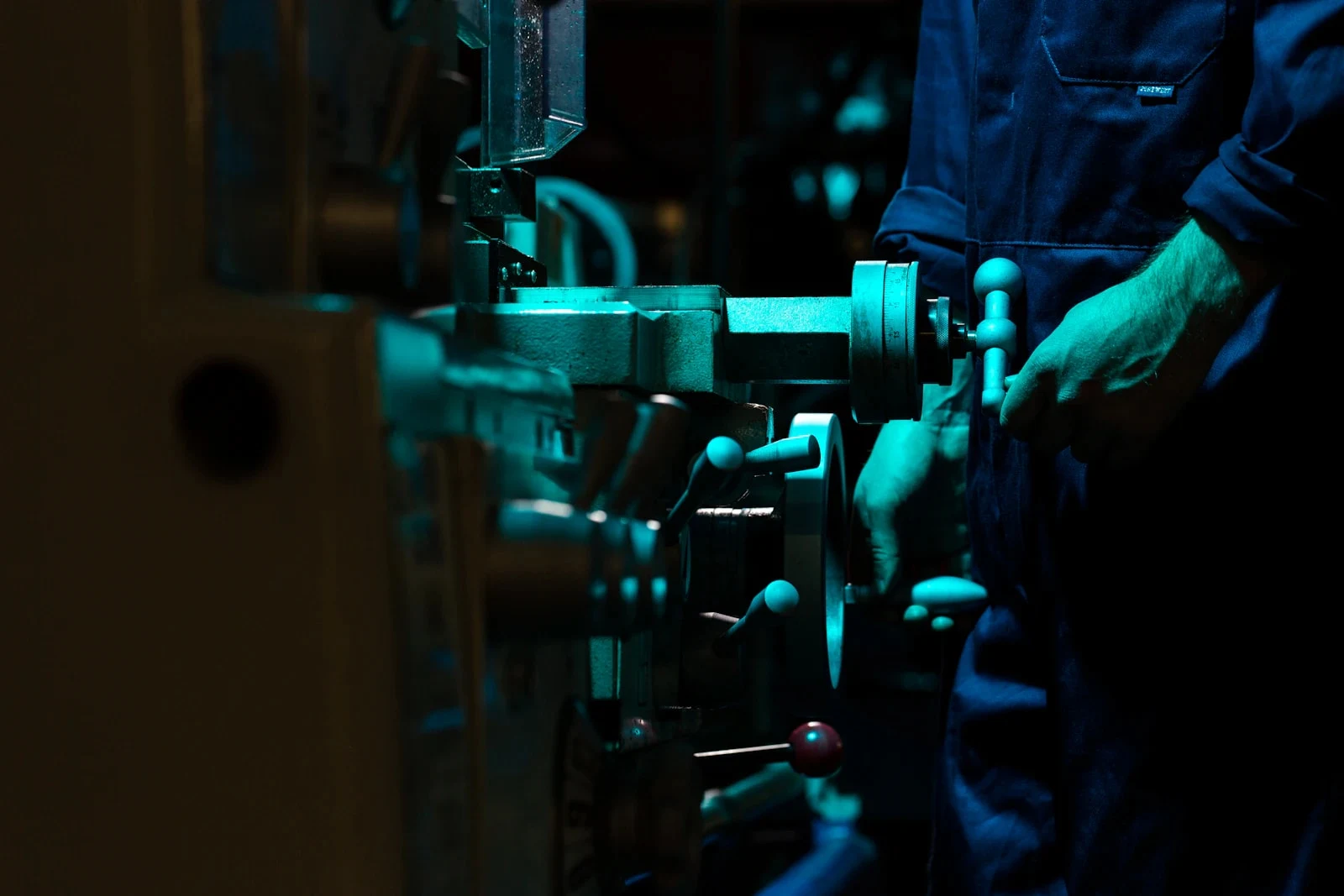
Engineering is a hands-on discipline, and the programme is built around lab, site and CAD time rather than purely theoretical exposition. Every taught module ends in an assessed practical or simulation exercise, and faculty include practising engineers from UK consultancies, contractors and public-sector engineering teams.
The Diploma is recognised across UK employers and articulates with credit transfer into LSCT's Advanced Diploma and Higher Diploma routes for students continuing into Bachelor's-level study. Students are encouraged to identify a target Bachelor's pathway early in the year so that the elective and project choices align cleanly with their progression.
Key Features
- BS 7671 (18th Edition) coverage embedded across the wiring regulations module.
- Aligned with IET technician competencies for early-career electrical engineers.
- Hands-on lab time - instrumentation, three-phase distribution and PLC programming on-campus.
- Three study modes with mandatory in-person lab blocks for online and distance learners.
- CAD and simulation in AutoCAD Electrical, LTspice and basic MATLAB/Simulink.
- Renewables introduction covering UK PV, EV-charging and DNO connection basics.
What You Will Learn
You will leave able to interpret a UK single-line diagram, conduct a basic load calculation, write a safe method statement for an electrical installation, and explain why the UK grid behaves the way it does on a January evening peak. The Diploma in Electrical Engineering is structured around six taught modules and a lab-based mini-project.
- DC and AC circuit analysis - Kirchhoff, Thevenin, phasors and sinusoidal steady state.
- Electrical machines - transformers, induction motors, synchronous machines and basic drives.
- Power systems fundamentals - generation, transmission, distribution and UK grid context.
- BS 7671 wiring regulations - selection, protection, earthing and inspection routines.
- Instrumentation and measurement - oscilloscopes, power-quality analysers and safe lab practice.
- Introduction to controls - PLC ladder logic, sensors and motor-control circuits.
- Renewables integration - UK PV, storage and small-scale grid-connected systems.
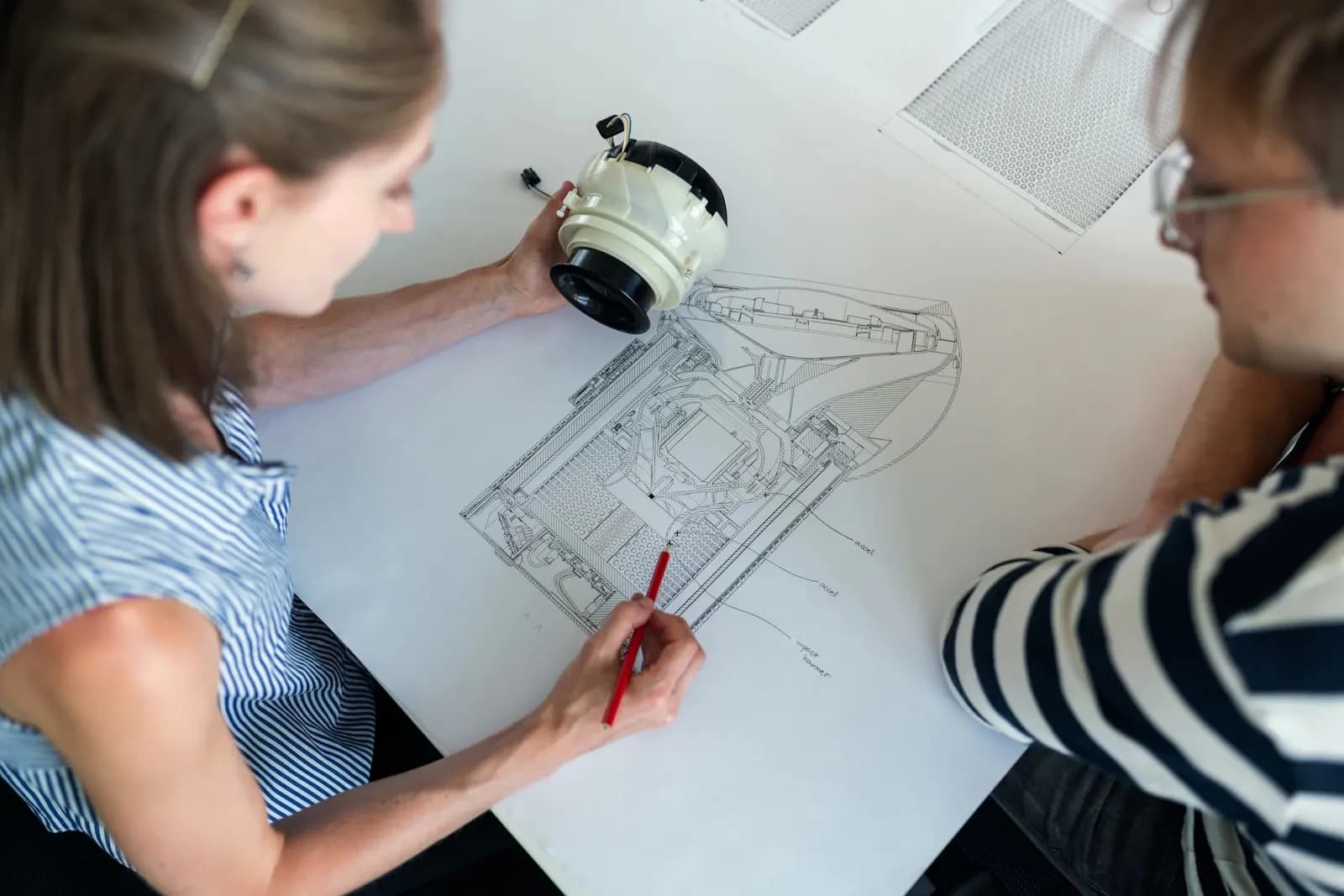
Assessment is built around the documents and deliverables UK engineering practice actually produces: technical drawings, calculation packs, design reports, method statements, risk assessments, simulation outputs and small site or lab investigations. Faculty include practising engineers from UK consultancies and contractors, and feedback is calibrated to Engineering Council UK competency expectations.
Who This Course Is For
- Electrical apprentices and trainee technicians moving from on-the-job experience into formal qualification.
- Career changers in their twenties moving into electrical engineering from trades or facilities work.
- International students targeting UK technician or engineering-degree routes.
- Building services and M&E coordinators wanting deeper electrical understanding for project roles.
Career Pathways
The UK is structurally short of qualified electrical technicians, particularly with the net-zero and EV-charging build-out. Typical first roles after the Diploma in Electrical Engineering include:
- Graduate Electrical Engineer (technician track) with a UK building services consultancy
- Site Engineer on a renewables or grid-reinforcement project
- Industrial Engineer in a UK manufacturing or process plant
- Construction Project Engineer on M&E packages
- Lab Technician within a research or testing facility
- Renewable Energy Technician on UK solar, EV-charging or storage projects
Graduates routinely articulate into the LSCT Advanced Diploma or a UK Bachelor's top-up in electrical engineering.
LSCT's relationships with UK consultancies, contractors and engineering trade bodies support a steady flow of site visits, capstones and first-job introductions. Graduates regularly return to the school as guest tutors and project sponsors, which keeps the curriculum aligned with what UK engineering employers are actually hiring for in the year ahead.
Entry Requirements
- Completed secondary schooling (A-levels including a STEM subject, BTEC Level 3 Engineering, IB or recognised international equivalent), or equivalent technical work experience.
- GCSE English Language at grade 4/C and Mathematics at grade 5/C for the Diploma in Electrical Engineering.
- English language: IELTS 6.0 overall (no band below 5.5) for non-native English speakers.
- A short personal statement evidencing lab coursework, practical electrical experience or equivalent technical aptitude.
Why Study at LSCT
The London School of Commerce and Technology (LSCT) is a specialist higher-education provider based in central London and part of Harold International College. We teach in small cohorts so every student is visible to their tutor, run a single intake schedule that students can rely on, and partner with UK professional bodies so qualifications carry weight with employers. London puts Whitehall, the City, Silicon Roundabout, the Royal Courts of Justice, the West End and the NHS estate within a short tube ride of every classroom - and our students use that proximity in their projects, placements and graduate job hunts. For electrical students, that means visits to grid substations, EV-charging hubs and UK renewables installers within an hour of campus.
The Engineering & Science department runs a structured site-visit programme across each term - to UK infrastructure projects, manufacturing plants, laboratories and renewables installations - plus a guest-speaker series with working chartered engineers. Students on all three study modes are invited, with sessions recorded for later review.
Apply for Diploma in Electrical Engineering
Ready to take the next step into the Engineering & Science sector? Click Enrol Now to submit your application for the Diploma in Electrical Engineering; admissions reply within one working day. Note in your statement whether you intend to progress to an Advanced Diploma or move directly into technician work, and we will match your lab-block schedule accordingly.
If you are unsure whether your prior coursework or site experience is enough, the LSCT admissions team can arrange a short conversation with a current tutor - engineering admissions are calibrated to working evidence as much as to formal qualifications, and several students join after a short technical conversation clarifies the right entry point.