Higher Diploma in Film & Television Production
Course Overview
The Higher Diploma in Film & Television Production at LSCT is a Level 5 qualification within the Media, Journalism & Communication department, designed for runners, junior crew, content creators and graduates ready to take on assistant and HOD-track positions in UK film, television and streaming production. The programme runs 15 to 18 months across on-campus, online and distance-learning routes from 2026, and is taught from our central London base — minutes from Soho's post-production cluster, Pinewood's London-side support facilities and the BBC at Broadcasting House.
Across the year you move from production fundamentals into the structured workflow of a UK shoot: development, pre-production, scheduling, on-set protocols, post and delivery against broadcaster and streamer technical specs. By the end of the Higher Diploma in Film & Television Production you will have shot and delivered a short film, contributed to a multi-day production-team simulation and have the language to walk into a UK film or TV department interview already at home with the vocabulary.
Key Features
- UK Level 5 syllabus aligned with ScreenSkills standards and informed by Bectu (Broadcasting, Entertainment, Communications and Theatre Union) early-career frameworks.
- Direct articulation into the LSCT BA programmes in media and journalism.
- Three study modes — on-campus near Soho's post-production cluster, fully online with live edit-suite sessions, or distance learning using your own kit with mailed shooting briefs.
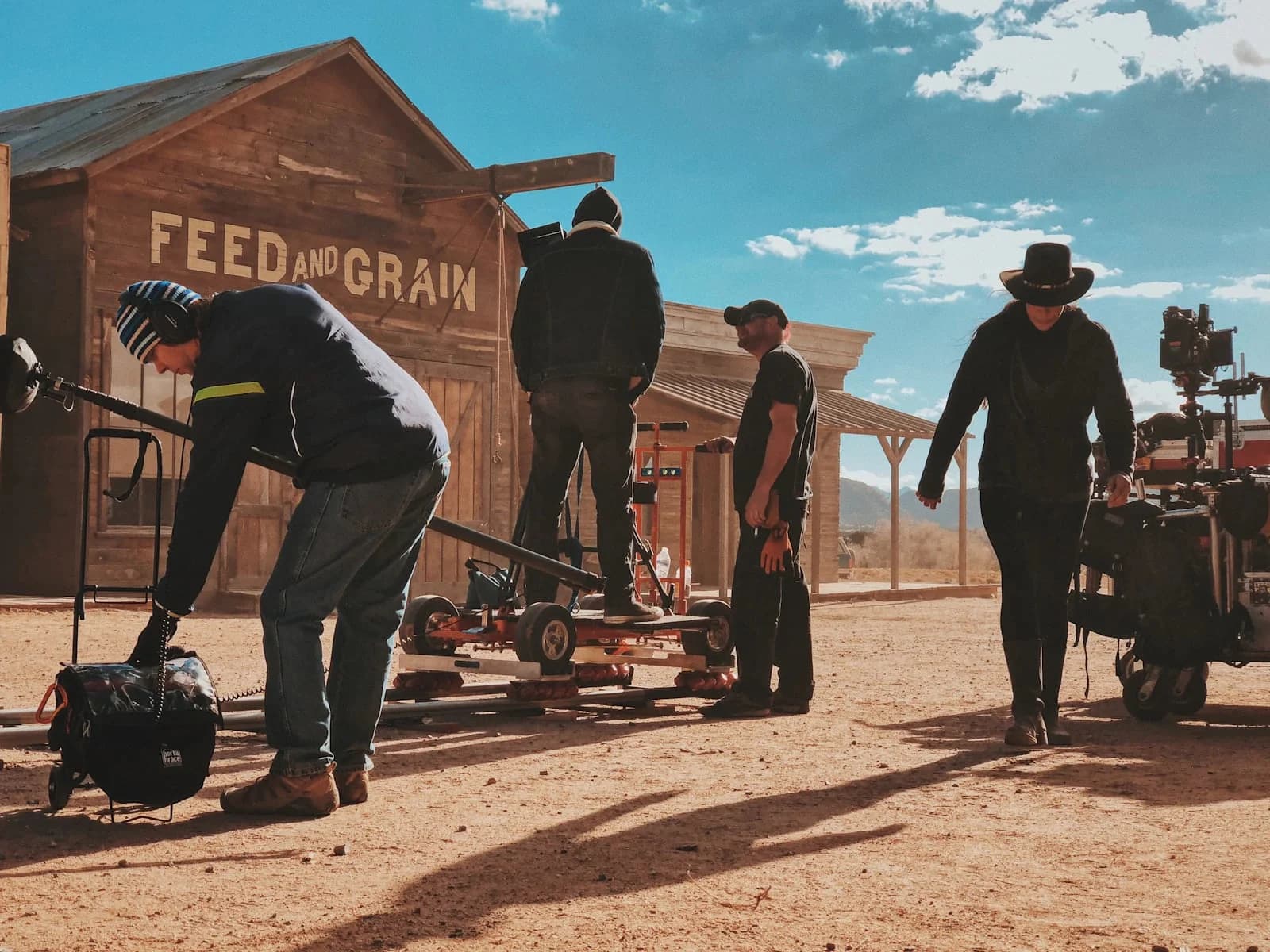
- Live production simulation — students work in pre-production, production and post crews on a multi-week shoot, graded against UK industry standards.
- Module on UK broadcast delivery covering Dolby Atmos basics, HDR specs, EBU R128 loudness, BBC and streamer technical delivery requirements.
- Industry mentoring with working UK producers, directors and post supervisors.
What You Will Learn
The Higher Diploma in Film & Television Production runs across seven modules and a final production. You will graduate able to contribute to a UK production department from day one — pre-production, shooting, post or delivery.
- Film and TV Development and Treatment Writing
- Pre-Production Scheduling, Budgeting and Risk
- Camera, Sound and Lighting for Single and Multi-Camera
- Production Sound and Boom Operation
- Editing and Picture Post (Premiere Pro, DaVinci Resolve, Avid)
- Sound Design and Audio Post (Pro Tools fundamentals)
- Broadcast and Streamer Delivery Specifications
- UK Production Compliance — Ofcom, music clearance, releases, child protection on set
The teaching pattern is intentionally practitioner-led. Each module pairs taught content with at least one published or broadcast piece — a real story, a real edit, a real shoot, a real campaign — and you are expected to file, edit and respond to working editors as if a publication or production schedule was about to land. That working rhythm gives our graduates the day-one credibility UK newsrooms, production companies and agencies test at interview.
Who This Course Is For
- Runners and junior crew moving into assistant and HOD-track positions in UK film and TV.
- Self-taught content creators wanting a structured UK qualification and a formal portfolio.
- Advanced Diploma graduates from media programmes topping up to a Level 5 credential.
- International applicants targeting UK film, TV and streaming industry roles requiring a recognised Level 5.
Career Pathways
Higher Diploma graduates step into UK production departments — independents in Soho, in-house teams at the BBC and ITV, post houses, the major UK streamers and the rapidly expanding podcast and creator-economy production sector. The Higher Diploma in Film & Television Production is calibrated to make you employable on a real UK shoot from week one. Typical first roles include:
- Production Assistant (drama, factual, branded)
- Assistant Editor (TV, film, branded content)
- Camera Assistant or 2nd AC
- Production Sound Recordist (junior)
- Junior Producer (independent or streamer)
- Post Production Coordinator (Soho post house)
The Higher Diploma articulates directly into the LSCT BA programmes and into the MA in Investigative Journalism for students moving into long-form documentary.
You will also build the network that underpins UK media careers: an alumni community across newsrooms, production companies, agencies and in-house creative teams, a working tutor team drawn from current practice, and an annual industry careers afternoon at which UK editors, picture desks, producers and creative directors take CVs and meet current students.
Entry Requirements
- An Advanced Diploma (Level 5), HND, Foundation Degree, or equivalent prior study in media, film, journalism or design.
- Three years' relevant work experience in film, TV, broadcast or content production considered in lieu of academic prerequisites (mature applicants).
- English language: IELTS 6.0 overall (no band below 5.5) for non-native English speakers; visual sample required for this programme.
- A personal statement, a 3-minute visual sample reel and one academic or professional reference, ideally from a production line manager.
Across the programme you work inside live UK editorial standards: IPSO clauses applied to real recent complaint outcomes, Ofcom rulings dissected in seminars, NUJ contract clauses read line by line. Guest sessions with working UK reporters, picture editors, producers and creative directors keep the programme tied to the working day of the people you will be applying to join.
Why Study at LSCT
The London School of Commerce and Technology (LSCT) is a specialist higher-education provider based in central London and part of Harold International College. We teach in small cohorts so every student is visible to their tutor, run a single intake schedule that students can rely on, and partner with UK professional bodies so qualifications carry weight with employers. London puts Whitehall, the City, Silicon Roundabout, the Royal Courts of Justice, the West End and the NHS estate within a short tube ride of every classroom — and our students use that proximity in their projects, placements and graduate job hunts. For film and TV students that proximity is decisive: Soho post-production, Broadcasting House, the BFI Southbank and the major streamers' UK head offices are all within tube reach.
Our graduates work across the UK and international media landscape — national newspapers, regional titles, the BBC, ITN, the major UK podcast houses, digital-native publishers, the creative agencies of Soho and Shoreditch and the press offices of UK public bodies. LSCT's employability team brokers introductions and runs portfolio evenings attended by working hiring editors and creative directors.
Apply for Higher Diploma in Film & Television Production
Close the gap to a Bachelor's degree with the Higher Diploma in Film & Television Production. Click Enrol Now to apply; admissions confirm your credit-transfer route within one working day and will provide a reel-submission brief if you are shortlisted for interview.