Higher Diploma in Political Science
Course Overview
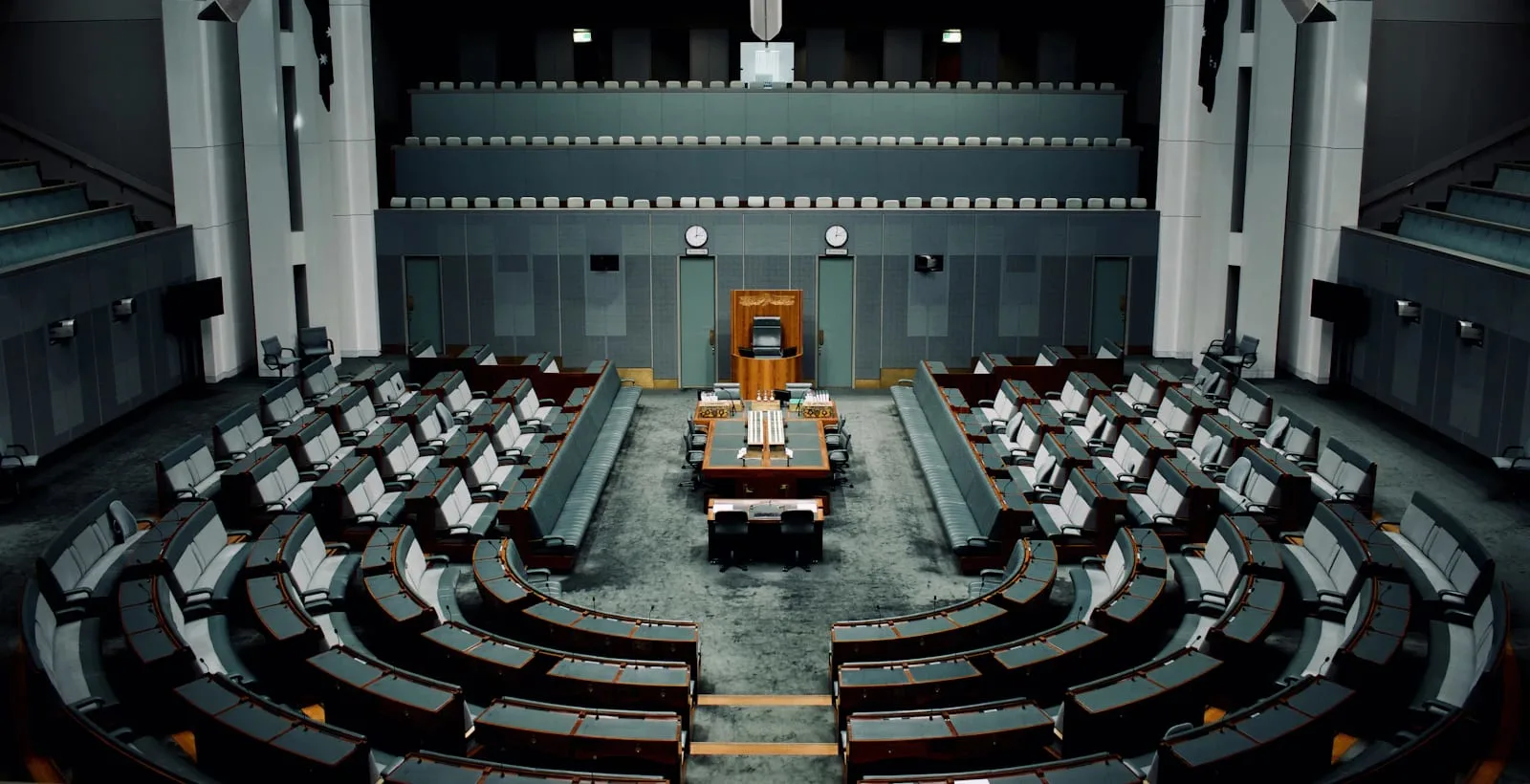
UK political life — Parliament, Whitehall, the devolved governments and the post-2024 landscape — rewards graduates who can analyse evidence, write clearly and read primary documents. The Higher Diploma in Political Science at LSCT trains for that work at Level 5. Sitting within Law & Social Sciences, the qualification runs 15 to 18 months across on-campus, online and distance routes from central London.
You will move from the foundations of political theory and UK institutions into comparative politics, international relations and research methods, finishing with a substantial research-based project. The Higher Diploma is aligned with the Political Studies Association undergraduate research framework and articulates directly into a UK Bachelor's top-up in politics, international relations or public policy.
The course calendar is built around the UK legal-year rhythm, with court visits, advocacy training and primary-source seminars timetabled so that students see UK practice live rather than only through textbooks. Faculty include working solicitors, barristers and legal researchers connected to current UK reform debate.
The Higher Diploma is a Level 5 qualification with established articulation routes into a UK Bachelor's top-up in the relevant discipline. Students are matched to a tutor who supports the Bachelor's application alongside their Higher Diploma capstone, and credit transfer is confirmed in writing at enrolment.
Key Features
- UK institutions focus — Parliament, Whitehall, devolved governments and the post-2024 settlement.
- Aligned with the Political Studies Association undergraduate research framework.
- Primary-document literacy — Hansard, select-committee reports, government policy papers.
- Three study modes with structured weekly tutorials and recorded lectures.
- Research project on a UK political problem of your choice.
- Articulation route into a UK Bachelor's top-up in politics, IR or public policy.
What You Will Learn
The Higher Diploma in Political Science is structured around seven taught modules and a research project. You will graduate able to read a UK select-committee report against its evidence base, build a comparative analysis between two political systems, and write a working policy brief.
- Political theory — liberalism, conservatism, socialism, feminism and post-colonial perspectives.
- UK politics and institutions — Parliament, Whitehall, devolution and judicial review.
- Comparative politics — democratic and authoritarian systems, populism in working context.
- International relations — sovereignty, hegemony and post-Brexit UK foreign policy.
- Public policy — agenda setting, policy design and UK evaluation practice.
- Quantitative methods — basic statistics and reading UK political surveys.
- Qualitative methods — discourse analysis, elite interviewing and process tracing.
Assessment is structured around the genres students will use in UK practice — case notes, legal memoranda, client advice letters, policy briefings and committee evidence. Faculty mark to UK academic and professional standards, with feedback geared toward both LLB top-up and SQE / CILEx preparation, and students develop a working portfolio of written work across the year.
Who This Course Is For
- Frontline civil servants and parliamentary researchers ready to formalise their training.
- Career changers in their twenties moving into policy work from journalism, law or the third sector.
- UK and international students planning a politics Bachelor's top-up.
- Activists and campaigners wanting structured grounding in UK institutions and research.
Cohort sizes are deliberately capped so seminars, mooting and casework discussions remain genuinely interactive. Students from a wide range of starting points — recent law graduates, working paralegals, career changers — debate cases together, and the cross-experience seminar room mirrors the working culture of a UK chambers' library or a small specialist firm.
Career Pathways
The Higher Diploma in Political Science is most often an articulation route to a UK Bachelor's, but it also supports entry-level policy and research roles. Typical destinations include:
- Researcher in a UK Parliament select committee or APPG secretariat
- Policy Officer at a Whitehall department or local authority
- Civil Service generalist on an operational or fast-stream track
- Caseworker at a UK MP's constituency office
- Social Researcher at a UK think tank or polling organisation
- Compliance Officer in a regulated UK business with significant policy exposure
Graduates routinely top up into Bachelor's-level politics or IR programmes.
LSCT's location near the Inns of Court, the Royal Courts of Justice and the Ministry of Justice supports informal access to working practitioners and public events, and graduates regularly return as mentors to the next cohort. The school's relationships with UK firms, chambers, regulators and the third-sector advice community feed into placement, pupillage and training-contract conversations.
Entry Requirements
- An Advanced Diploma (Level 5), HND, Foundation Degree, or equivalent prior study in politics, social sciences or related fields.
- Three years' relevant work experience considered in lieu of academic prerequisites (mature applicants).
- English language: IELTS 6.0 overall (no band below 5.5) for non-native English speakers.
- A personal statement and one academic or professional reference.
Why Study at LSCT
The London School of Commerce and Technology (LSCT) is a specialist higher-education provider based in central London and part of Harold International College. We teach in small cohorts so every student is visible to their tutor, run a single intake schedule that students can rely on, and partner with UK professional bodies so qualifications carry weight with employers. London puts Whitehall, the City, Silicon Roundabout, the Royal Courts of Justice, the West End and the NHS estate within a short tube ride of every classroom — and our students use that proximity in their projects, placements and graduate job hunts. For politics students, the proximity to Westminster lobby briefings and think-tank events is exceptional.
The Law & Social Sciences department runs structured court-visit programmes across each term, plus a guest-speaker series with working solicitors, barristers, policy specialists and senior civil servants. Students on all three study modes are invited to participate, and recordings are available across the cohort for reference.
Apply for Higher Diploma in Political Science
Close the gap to a Bachelor's degree with the Higher Diploma in Political Science. Click Enrol Now to apply; admissions confirm your credit-transfer route within one working day. Indicate your articulation plan — UK Bachelor's, immediate policy work, postgraduate study — and we will match you to the right tutor.
If you are unsure how a Diploma, Higher Diploma, Advanced Diploma or Master's fits your route to UK practice, the LSCT admissions team can arrange a short conversation with a current tutor — many applicants benefit from a quick reality-check on SQE, CILEx and LLB top-up timelines before committing.