BA Digital Communication
Course Overview
The BA Digital Communication at the London School of Journalism, Humanities & Modern Languages (LSJHML) is a three-year UK honours degree for students who want a serious working command of digital communications - content strategy, social-first storytelling, data-led campaigns, internal-comms platforms and the discipline of measurement. You will graduate with a published digital portfolio, a working knowledge of analytics tools and the analytical confidence to plan a campaign across owned, earned and paid channels.
The degree is built in dialogue with the Chartered Institute of Public Relations and the Content Marketing Institute, and assumes that digital communication is not a sub-discipline of marketing but a profession in its own right - with its own ethics, frameworks and craft.
Key Features
- UK honours degree - three years full-time, with online and distance routes available.
- Content-strategy module grounded in current Content Marketing Institute frameworks and case work.
- Social-first storytelling across video, vertical-video, podcast and image-led formats.
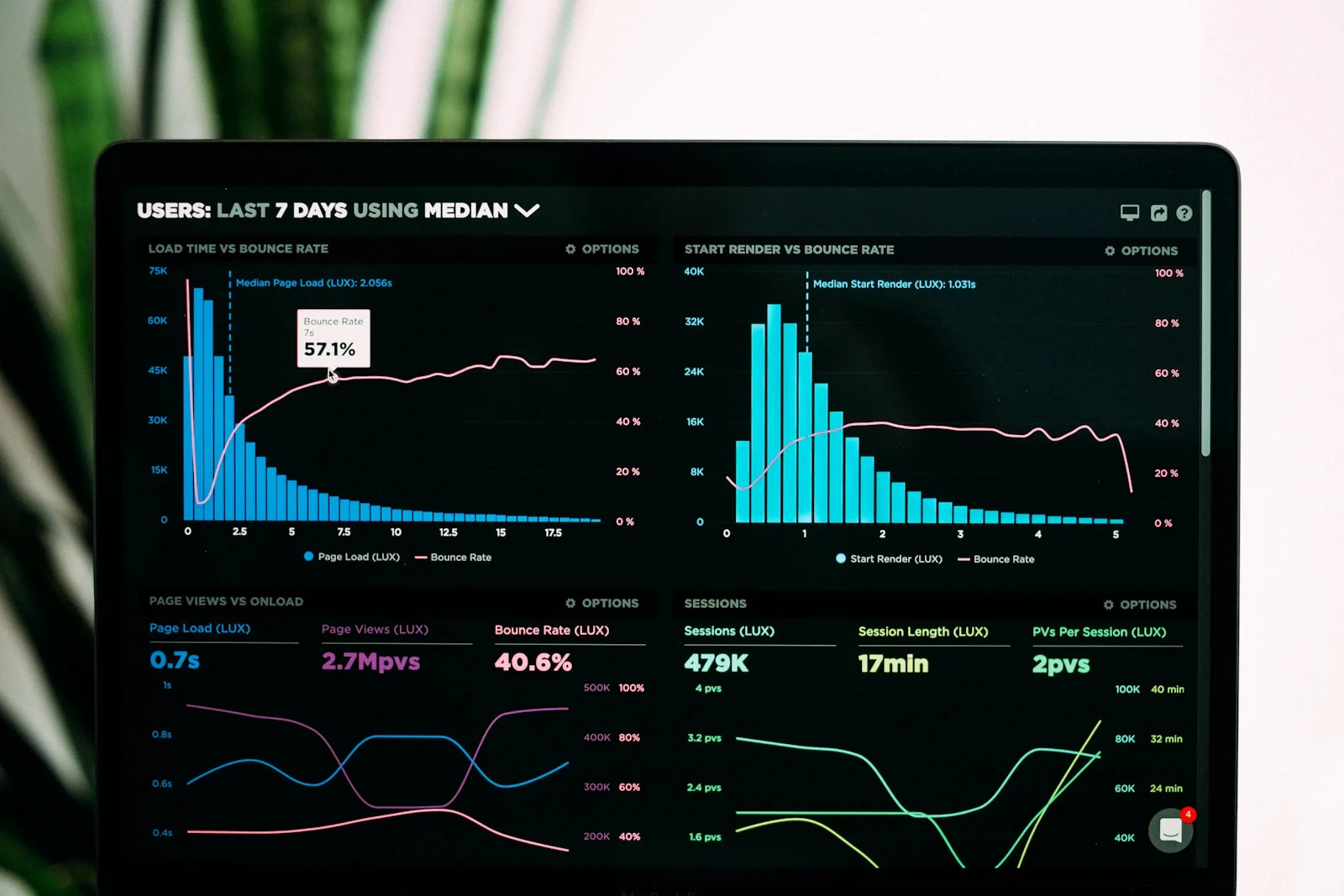
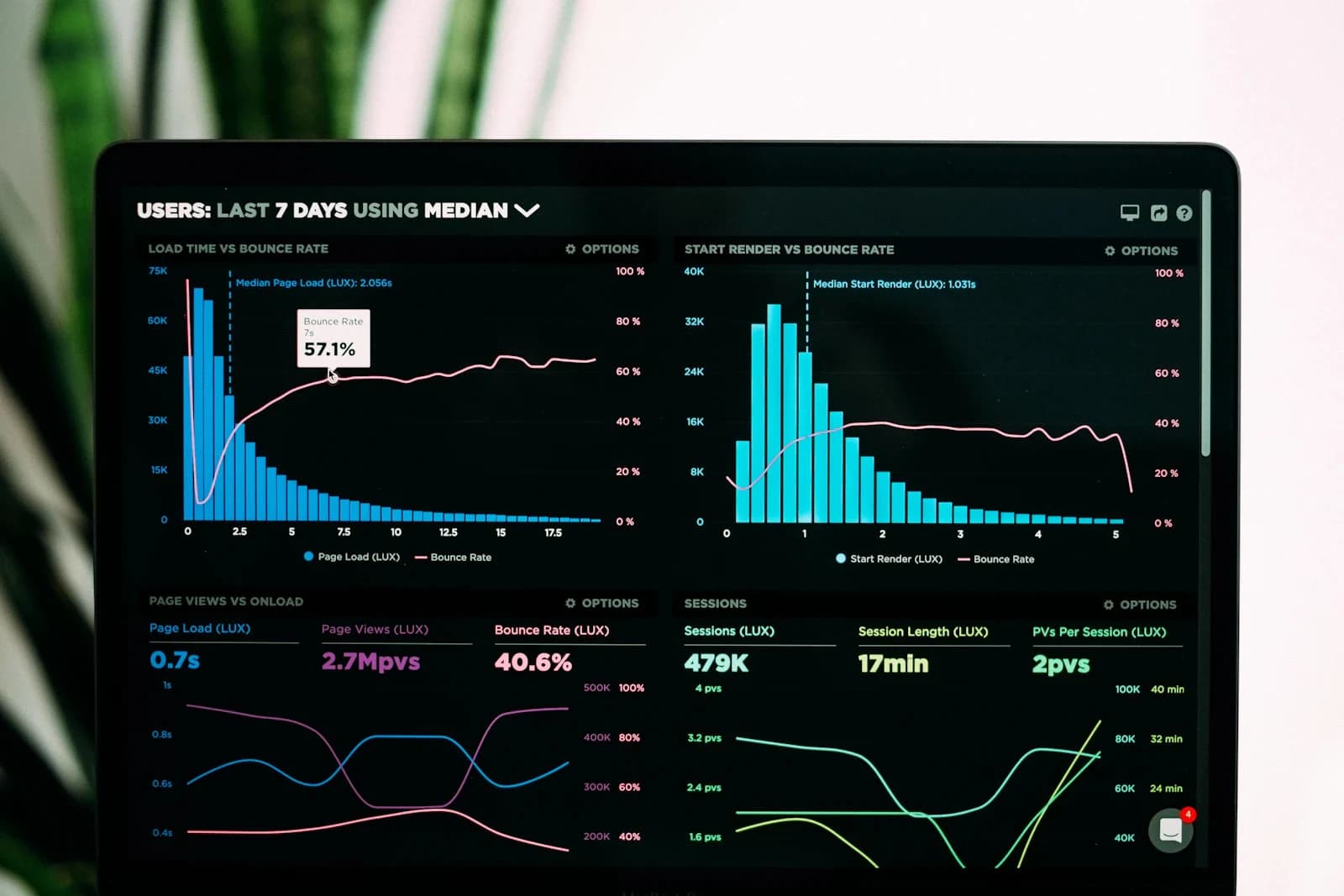
- Data-led campaigns - analytics platforms at a working level, A/B testing, attribution.
- Digital ethics module - algorithmic accountability, platform power, online safety, GDPR for comms.
- Capstone portfolio - a published digital campaign with measurement framework, defended in front of industry guests.
What You Will Learn
The BA Digital Communication is structured around the working cycle of a digital communicator - insight, strategy, content, channel, measurement, iteration. You finish able to plan a digital campaign grounded in audience data, produce the content it needs across platforms, place it on the right channels and explain what worked.
- Content strategy - editorial planning, brand voice, the content calendar.
- Audience research - qualitative and quantitative, platform behaviour, segmentation.
- Social platforms - algorithmic dynamics on Meta, TikTok, LinkedIn, X, YouTube.
- Video and audio production - short-form video, vertical formats, podcast.
- Search and discovery - SEO basics, search-intent design, voice and visual search.
- Email and CRM - segmentation, sequence design, deliverability and performance.
- Analytics and measurement - Google Analytics, platform-native analytics, AMEC framework.
- Digital ethics and law - GDPR for comms, advertising standards, platform terms, accessibility.
Who This Course Is For
- School leavers planning a career in digital communications, content strategy or social media.
- International students seeking a UK degree in digital comms taught in central London.
- Career-changers from journalism, marketing or design moving into a digital-comms-specialist role.
- Working content creators and freelancers wanting a degree credential to support senior recruitment.
Career Pathways
BA Digital Communication graduates compete for junior roles across in-house teams, agencies and platforms. Typical first roles include:
- Digital Communications Manager (junior or assistant role)
- Social Strategist (agency, in-house brand, public-sector body)
- Internal Comms Lead (corporate, NHS trust, regulator - junior role)
- Campaigns Executive (charity, advocacy, political organisation)
- Digital Engagement Officer (university, cultural body, membership organisation)
- Content Producer (publisher, brand, podcast network)
Graduates progress to a Master's in Digital Communication, Strategic Communication or a specialist field such as Public Affairs or Content Strategy.
Entry Requirements
- Three A-Levels at BBC or above (or international equivalent - IB 28 points, BTEC DMM, or accepted national qualification).
- GCSE English Language at grade 5 or equivalent English proficiency test.
- IELTS 6.0 overall (no band below 5.5) for non-native English speakers.
- A short personal statement; portfolio applicants are welcome at interview.
- Mature applicants (21+) without standard qualifications may apply with a portfolio and short interview.
Why Study at LSJHML
The London School of Journalism, Humanities & Modern Languages is a specialist higher-education provider based in central London. Our programmes are designed in dialogue with working professionals - journalists, translators, civil servants, academics, broadcasters, editors, publishers and policy researchers - so what you learn in seminar on Monday is what your future employer is using on Tuesday. We deliberately keep cohorts small, give every student named tutor support, and treat employability as a structural part of every programme rather than an optional add-on.
London is the work - politics, courts, capital markets, theatre, broadcasting, publishing, public service, the global press. Your studies are taught in the same square mile where the stories you read about happen. Whether you join us on-campus, online or by distance learning, the city is your classroom and our industry network is your launchpad.
Apply for BA Digital Communication
Begin your application - our admissions team replies within one working day and can review predicted grades on the spot.