BA History
Course Overview
The BA History at the London School of Journalism, Humanities & Modern Languages (LSJHML) is a three-year UK honours degree built around the working practice of historical research - reading primary sources critically, situating them in context, and writing argued history that stands up to scrutiny. You will move from a broad first-year survey across medieval, early modern, modern and global history into focused specialism by year three.
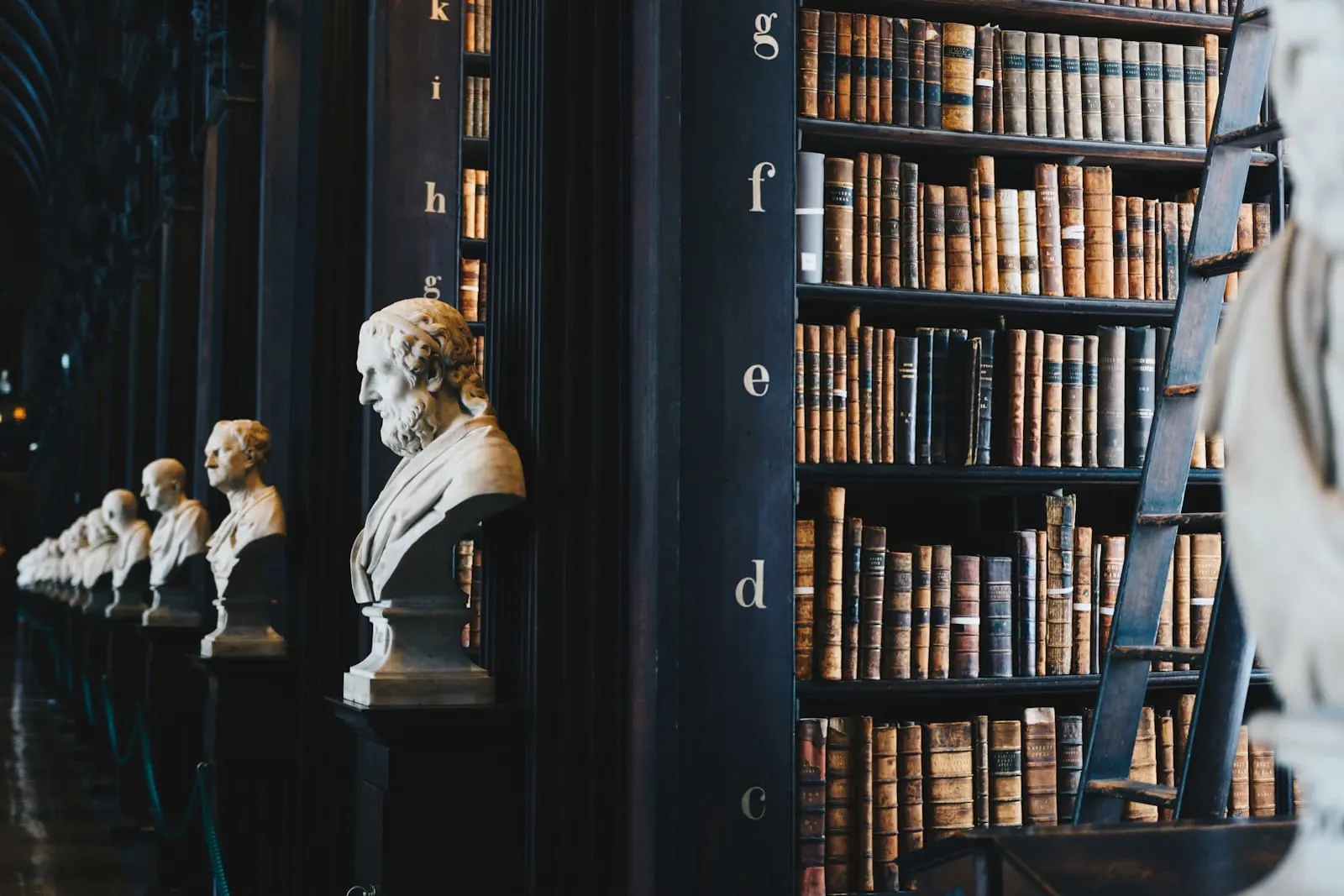
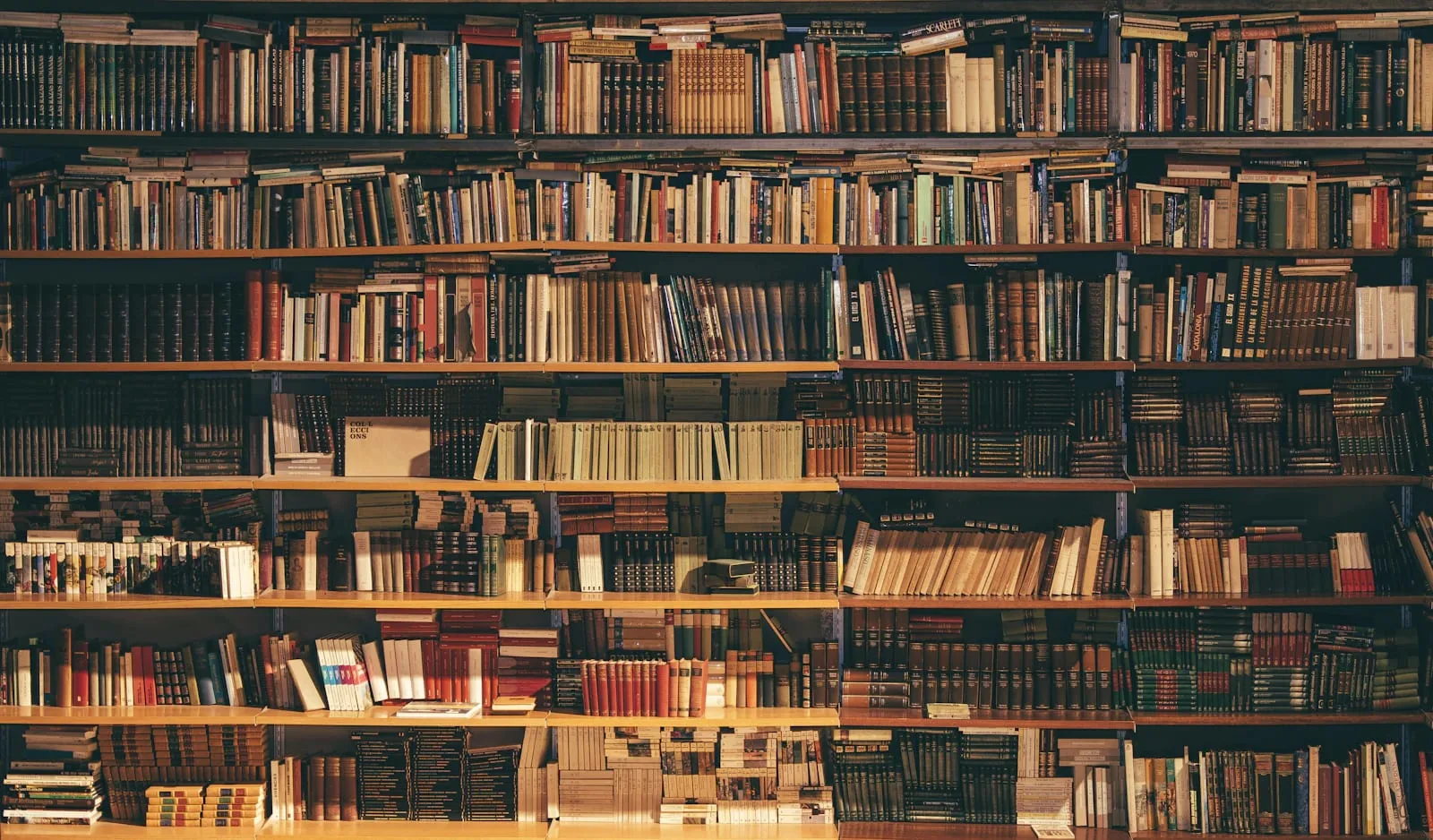
This is history taught in a city full of archives. Students use the National Archives at Kew, the British Library, the Wellcome Collection, the London Metropolitan Archives and the parliamentary archive across the degree, and the methods seminars assume you will spend serious time in those reading rooms.
Key Features
- UK honours degree in history - three years full-time, with online and distance routes available.
- Archive-led methods spine - primary-source criticism, palaeography basics, archival cataloguing literacy.
- London archive sessions at the National Archives, the British Library and selected specialist collections.
- Period breadth - medieval, early modern, modern Britain, modern Europe, global and imperial history.
- Final-year dissertation of 8,000–10,000 words on a topic of your own design.
- Three study modes - central-London seminars, fully online cohorts, or distance learning with structured deadlines.
What You Will Learn
The BA History is structured around the working disciplines a historian is hired or admitted on - source criticism, contextualisation, historiographical literacy and argued writing. You finish able to read a primary source critically, weigh competing secondary accounts, and write a piece of evidenced historical argument under deadline.
- Primary source criticism - provenance, authorship, audience, bias, dating.
- Palaeography basics - reading early modern and modern English hand.
- Historiography - schools of history, the historian's craft, how interpretations change.
- Period study - medieval, early modern, modern, global and imperial history.
- Thematic study - political, social, economic, gender, cultural and intellectual history.
- Archival practice - finding aids, cataloguing systems, ordering documents at the National Archives and British Library.
- Academic writing - thesis construction, footnote discipline, MHRA citation.
- Public history - translating historical research for museums, broadcasters and general readers.
Who This Course Is For
- School leavers with strong A-Levels who want a serious UK history honours degree.
- International students seeking a UK history degree with London archival access.
- Mature applicants returning to study who want a structured route into archival, museum or research work.
- Career changers preparing for a PGCE in history, museum studies, archival studies or law conversion.
Career Pathways
BA History graduates enter a wide range of UK and international graduate destinations. The degree is non-vocational, but historians are widely hired for research, analytical and communicative roles. Typical first-destination roles include:
- Archivist (after specialist Master's - National Archives, university or business archive)
- Museum Curator (after specialist Master's - national, regional or specialist museum)
- Heritage Researcher (charity, heritage site, local authority)
- History Teacher (after PGCE - secondary or further education)
- Research Analyst (think tank, policy unit, consultancy)
- Editorial Researcher (broadcaster history strand, longform publisher)
Graduates progress to a Master's in history, archival studies, museum studies, public history or related specialisms - or convert into law, teaching (PGCE) or policy work.
Entry Requirements
- Three A-Levels at BBC or above (or international equivalent - IB 28 points, BTEC DMM, or accepted national qualification).
- GCSE English Language at grade 5 or equivalent English proficiency test.
- IELTS 6.0 overall (no band below 5.5) for non-native English speakers.
- A short personal statement; a short historical writing sample is welcome.
- Mature applicants (21+) without standard qualifications may apply with a portfolio and short interview.
Why Study at LSJHML
The London School of Journalism, Humanities & Modern Languages is a specialist higher-education provider based in central London. Our programmes are designed in dialogue with working professionals - journalists, translators, civil servants, academics, broadcasters, editors, publishers and policy researchers - so what you learn in seminar on Monday is what your future employer is using on Tuesday. We deliberately keep cohorts small, give every student named tutor support, and treat employability as a structural part of every programme rather than an optional add-on.
London is the work - politics, courts, capital markets, theatre, broadcasting, publishing, public service, the global press. Your studies are taught in the same square mile where the stories you read about happen. Whether you join us on-campus, online or by distance learning, the city is your classroom and our industry network is your launchpad.
Apply for BA History
Begin your application - our admissions team replies within one working day and can review predicted grades on the spot.