Diploma in Multimedia Journalism
Course Overview
The Diploma in Multimedia Journalism at the London School of Journalism, Humanities & Modern Languages (LSJHML) is a nine-to-twelve-month UK qualification for reporters and career-changers ready to work across text, video, audio and social platforms - the way most UK newsrooms now expect every reporter to file. You will produce news for the web, shoot and edit a short video package, record and publish a podcast piece, and run a social-newsroom shift, all under tutor supervision.
Multimedia is no longer a specialism - it is the baseline. The Diploma in Multimedia Journalism is structured around that reality. By the end of the course you can file in any of four formats, know which form suits which story, and explain the editorial choices you made in each one.
Key Features
- Weekly multi-format newsdays - file a written news piece, a short video, an audio cut and a social thread to deadline.
- Field video module - composition, lighting basics, field sound, on-camera presence.
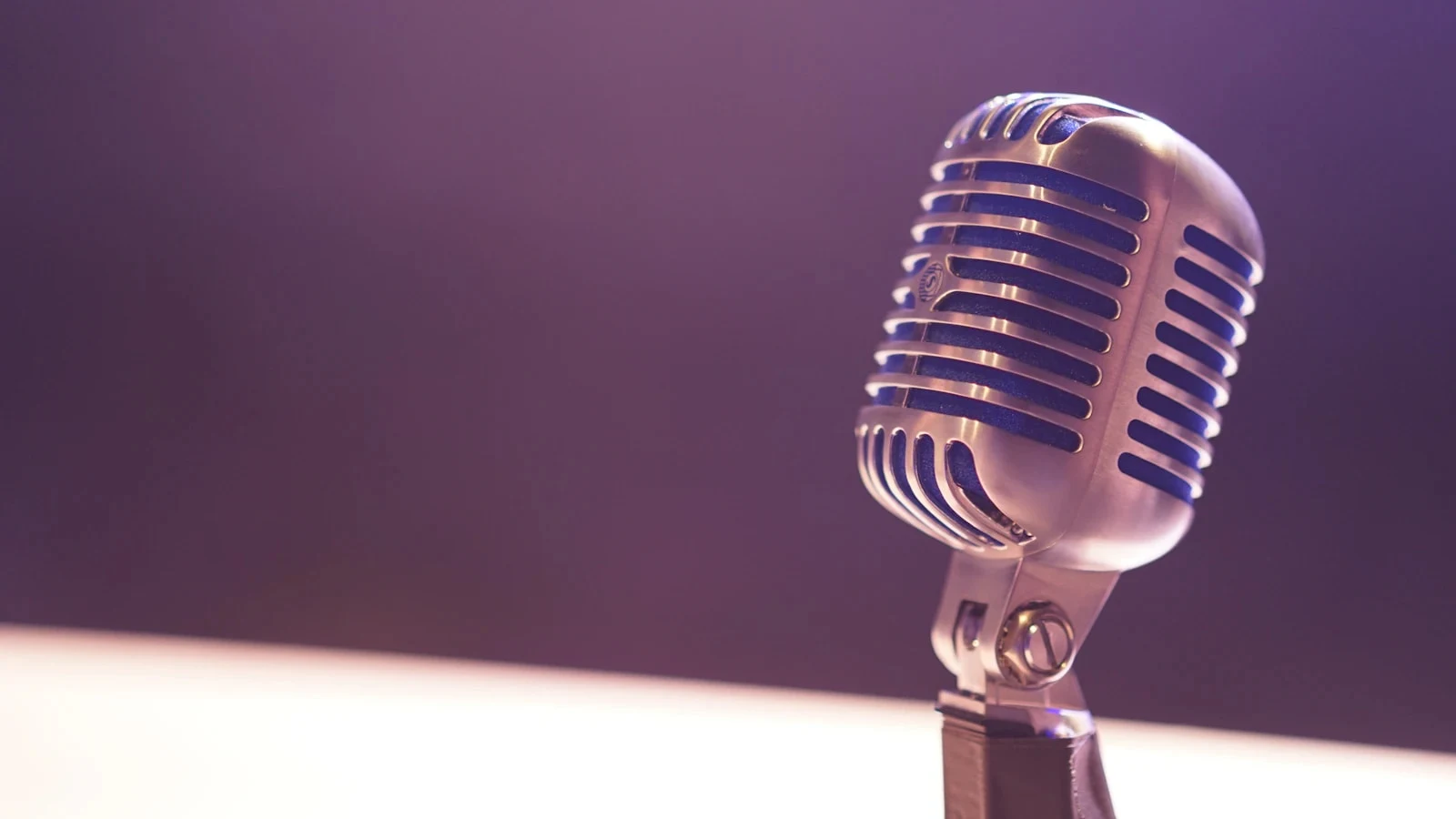
- Audio production module - interviewing for podcast, edit, sound design, distribution.
- Social newsroom workshop - verification, scheduling, community moderation, social-first packaging.
- Media law and ethics - the working law any multimedia reporter needs.
- Final cross-platform portfolio with published outputs in all four formats.
What You Will Learn
The Diploma in Multimedia Journalism is structured around the working week of a multi-skilled reporter - write, shoot, record, publish, distribute, respond. You graduate able to file across formats to publishable standard and choose the form that fits each story.
- News writing for digital - headline craft, modular structure, search and social literacy.
- Video journalism - composition, lighting, field sound, package construction, on-camera work.
- Audio journalism - interviewing, scripting, editing, publishing to RSS.
- Social newsroom - verification, scheduling, packaging, community.
- Mobile journalism - shooting and editing on phone-only kit.
- Media law - defamation, contempt, reporting restrictions for fast-turnaround filing.
- Ethics - verification thresholds, attribution, contributor protection, online pile-on risk.
- Multi-platform editorial judgement - which form fits which story.
Who This Diploma Is For
- Career-changers entering journalism wanting cross-format competence from day one.
- Junior reporters at regional newsrooms needing a recognised multimedia credential.
- Communications professionals shifting into news publishing roles.
- International journalists relocating to the UK and needing a multimedia qualification.
Career Pathways
Graduates of the Diploma in Multimedia Journalism move into reporting roles across UK regional, national and digital-native newsrooms. Typical first or next roles include:
- Multimedia Reporter (regional newsroom, digital-native publisher)
- Online Producer (national newsroom, broadcaster online unit)
- Social Newsroom Producer (digital-native, breaking-news desk)
- Mobile Journalist (specialist mojo desk, video-first publisher)
- Visual Journalist (data and visuals desk, specialist publisher)
- Content Editor (in-house brand newsroom)
The Diploma is the natural prerequisite for our Advanced Diploma in Digital Journalism or BA in journalism for students who want to push further.
Entry Requirements
- Completion of secondary school (A-Levels, BTEC, or international equivalent).
- IELTS 5.5 overall (no band below 5.0) for non-native English speakers.
- Personal statement.
- Mature applicants (21+) may apply with two years of relevant work experience.
Why Study at LSJHML
The London School of Journalism, Humanities & Modern Languages is a specialist higher-education provider based in central London. Our programmes are designed in dialogue with working professionals - journalists, translators, civil servants, academics, broadcasters, editors, publishers and policy researchers - so what you learn in seminar on Monday is what your future employer is using on Tuesday. We deliberately keep cohorts small, give every student named tutor support, and treat employability as a structural part of every programme rather than an optional add-on.
London is the work - politics, courts, capital markets, theatre, broadcasting, publishing, public service, the global press. Your studies are taught in the same square mile where the stories you read about happen. Whether you join us on-campus, online or by distance learning, the city is your classroom and our industry network is your launchpad.
Apply for the Diploma in Multimedia Journalism
Apply today - admissions reply within one working day with a study plan tailored to you.