Diploma in Political Journalism
Course Overview
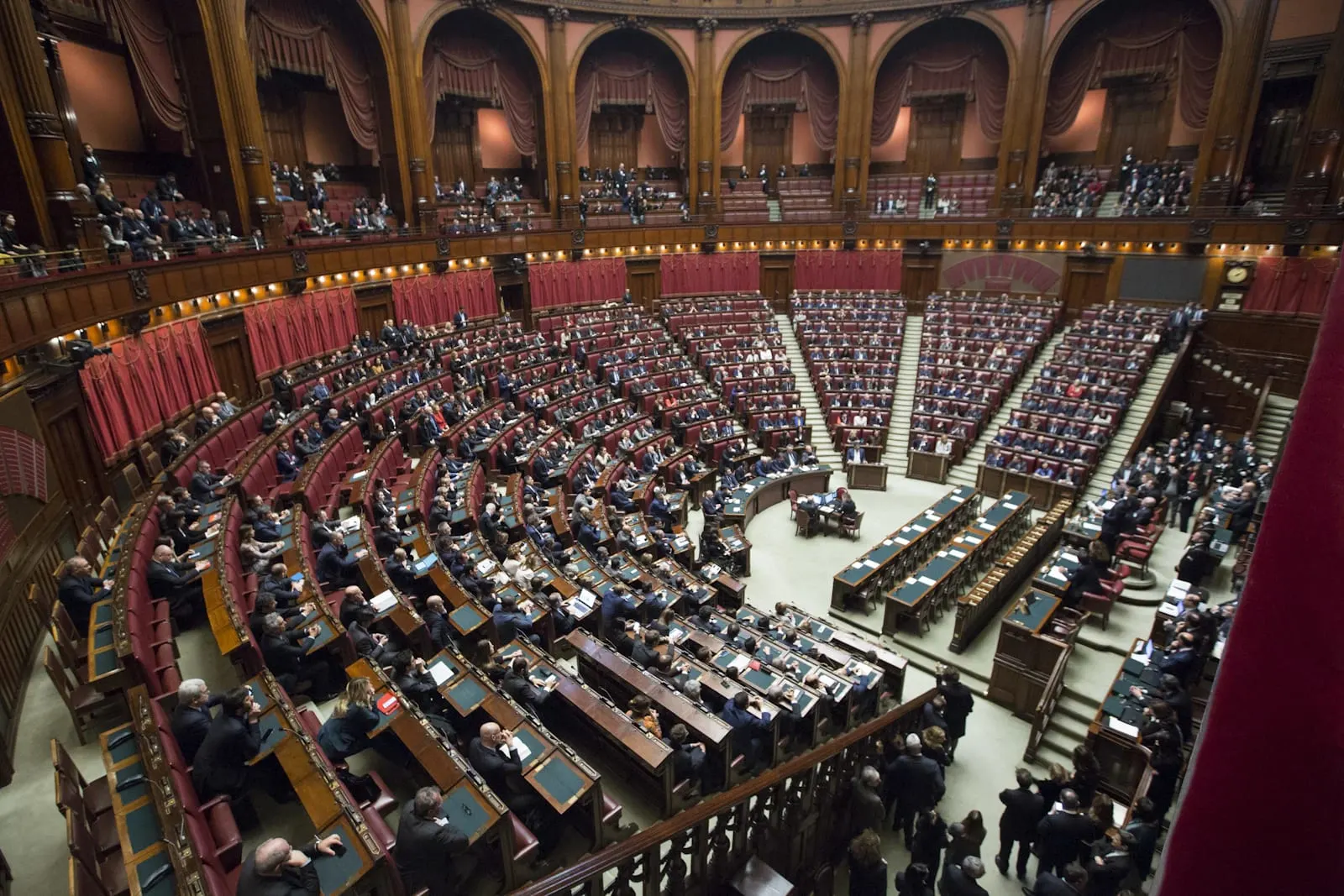
The Diploma in Political Journalism at the London School of Journalism, Humanities & Modern Languages (LSJHML) is a nine-to-twelve-month UK qualification for reporters and aspirants who want to cover politics seriously - at Westminster, in Whitehall, across the devolved administrations and in local government. You will follow a select committee through a session, write a lobby-style political diary, file off a White Paper without falling for the spin, and develop the sources, source protocols and political literacy that distinguish a working political reporter from a commentator with opinions.
The Diploma in Political Journalism is taught in dialogue with the working practice of the Parliamentary Press Gallery, the Hansard Society and the Lobby Journalists' Association. London is the politics - and this Diploma is built to put you in the same buildings, the same committee rooms and the same Whitehall corridors the people you report on already work in.
Key Features
- UK Diploma (Level 4) in political journalism - nine to twelve months full-time, with online and distance routes.
- Westminster module - Parliament, select committees, the lobby system, parliamentary privilege.
- Whitehall module - departments, the civil service, special advisers, the policy-making cycle.
- Devolved-government strand - Scottish Parliament, Senedd Cymru, Northern Ireland Assembly, Greater London Authority.
- Public-affairs literacy - think tanks, lobbying, advocacy organisations, regulator landscape.
- Source-handling workshop - Westminster-specific source protocols, on/off-the-record conventions, briefing culture.
What You Will Learn
The Diploma in Political Journalism is structured around the working week of a political reporter - chamber, committee, lobby, department, party HQ, the constituency. You graduate able to read a parliamentary order paper, follow a bill through its stages, identify a credible political source, and file a story that holds up to political and legal pressure.
- UK Parliament - Commons and Lords, procedure, select committees, parliamentary privilege.
- The legislative process - bills, committee stages, statutory instruments, the role of the Lords.
- Whitehall - departments, the civil service, special advisers, the cabinet process, public bodies.
- Devolved government - the Scottish Parliament, Senedd Cymru, Northern Ireland Assembly, GLA.
- Local government - council structures, scrutiny committees, council reporting.
- The lobby system - accreditation, briefing conventions, on/off-the-record protocols.
- Political party structures - internal democracy, candidate selection, conference politics.
- Media law for political reporting - parliamentary privilege, contempt, defamation in political coverage.
Who This Diploma Is For
- News reporters at regional or national titles ready to specialise in politics.
- Public-affairs and policy professionals moving into journalism with strong subject knowledge.
- Researchers and policy assistants in think tanks and parliamentary offices crossing into reporting.
- International journalists relocating to the UK and needing a UK-recognised political-journalism qualification.
Career Pathways
Political journalism is one of the most competitive - and most influential - beats in UK news, with steady demand across national titles, regional press, broadcasters and specialist political publications. Typical post-Diploma destinations include:
- Political Reporter (regional title, national newspaper, broadcaster)
- Westminster Correspondent (national title, wire service)
- Public Affairs Adviser (in-house public-affairs team, lobbying consultancy)
- Policy Journalist (specialist publication, think tank publishing unit)
- Lobby Correspondent (national newspaper or broadcaster - accreditation-dependent)
- Devolved-Government Reporter (Scottish, Welsh or Northern Ireland regional press)
Graduates progress to an Advanced Diploma in Journalism or to a BA top-up in Politics, Political Journalism or International Journalism at LSJHML or a partner university.
Entry Requirements
- Completion of secondary school (A-Levels, BTEC, or international equivalent).
- IELTS 5.5 overall (no band below 5.0) for non-native English speakers.
- Personal statement.
- Mature applicants (21+) may apply with two years of relevant work experience.
Why Study at LSJHML
The London School of Journalism, Humanities & Modern Languages is a specialist higher-education provider based in central London. Our programmes are designed in dialogue with working professionals - journalists, translators, civil servants, academics, broadcasters, editors, publishers and policy researchers - so what you learn in seminar on Monday is what your future employer is using on Tuesday. We deliberately keep cohorts small, give every student named tutor support, and treat employability as a structural part of every programme rather than an optional add-on.
London is the work - politics, courts, capital markets, theatre, broadcasting, publishing, public service, the global press. Your studies are taught in the same square mile where the stories you read about happen. Whether you join us on-campus, online or by distance learning, the city is your classroom and our industry network is your launchpad.
Apply for the Diploma in Political Journalism
Apply today - admissions reply within one working day with a study plan tailored to you.