Diploma in Media Production
Course Overview
The Diploma in Media Production at the London School of Commerce and Technology (LSCT) is a 9 to 12 month Level 4 qualification covering the practical craft of UK media production across film, audio, podcast and short-form digital video. Sitting in the Media, Journalism & Communication department, it is built for students aiming at runner, junior producer, AP and content-creator roles within the London production ecosystem.
You will work on a short film, a podcast series and a multi-platform digital brief, completing structured studio rotations across cameras, sound and edit. Distance-learning students complete production residencies during scheduled intensives from 2026.
Industry Context for the Diploma in Media Production
UK production hiring in 2026 has settled into a tight pattern after the 2023-24 commissioning correction. Independent producers and post houses now look for new staff who arrive with the working routines already understood - a clean call sheet, sensible kit prep, proper file logging, and the patience to take a brief from a senior crew member without freezing. The Diploma in Media Production is sequenced against that bar, with studio rotations and production residencies mirroring how a Soho or Bermondsey crew actually works. BBC Academy ethics guidance and Royal Television Society craft standards are reviewed each year.
Key Features
- UK Level 4 diploma with content reviewed by BBC Academy and Royal Television Society-affiliated tutors.
- Three flexible study modes with production residencies on-campus or in regional partner studios.
- Studio rotations across cameras, sound, edit and production-management roles.
- Industry placement with a London production company, podcast house or independent broadcaster.
- Festival submission strand - short films are submitted to UK student-friendly festivals.
What You Will Learn
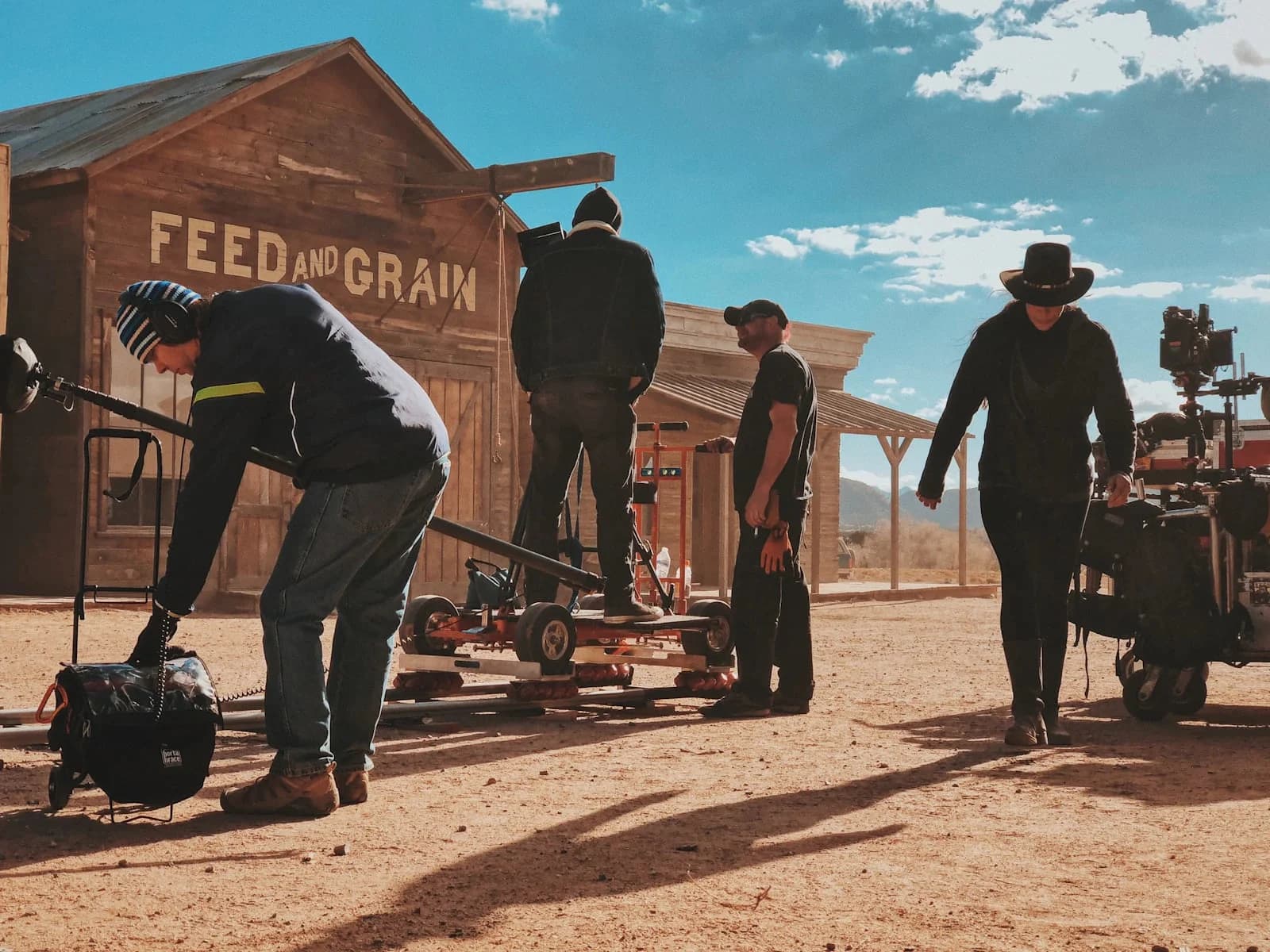
The diploma is structured around the working life of a junior production professional: read a script and a call sheet, set up kit, run sound on the floor, log and edit footage, and survive a day on set without losing the production team's trust.
- Camera operation, lensing and shot composition
- Production sound - booms, lavs, ambient capture
- Lighting design for studio and location
- Editing in Adobe Premiere Pro and DaVinci Resolve
- Audio editing and podcast production in Pro Tools / Audition
- Production management - call sheets, schedules, budgets
- Documentary research and ethics
- Digital and short-form video for social platforms
- UK production law and Ofcom-aware practice
Who This Course Is For
- School leavers aiming for runner and junior production roles in London.
- Self-taught content creators wanting to formalise the craft.
- Journalism graduates moving into production specialism.
- Career switchers from theatre, music or photography entering film and broadcast.
Career Pathways
Graduates work across UK independent production companies, broadcasters, podcast houses, streamer commissions and corporate-video producers, with steady demand from London's Soho, Camden and Bermondsey production clusters. Typical first roles include:
- Runner (TV, film, podcast)
- Junior Production Coordinator
- Assistant Producer (TV, podcast)
- Junior Editor / Edit Assistant
- Camera Operator (junior)
- Podcast Producer
Most graduates progress to a BA in Media Production, Film, or related degrees. Graduates typically progress into runner and junior production roles within weeks of completion, with London freelance runner day rates sitting in line with the wider production entry-grade market and progression accelerating once a defended showreel is held alongside the Diploma in Media Production.
Assessment Approach for the Diploma in Media Production
The Diploma in Media Production is assessed entirely through portfolio rather than written exam. Students complete weekly production submissions during studio rotation, a fully edited short film with sound design and grade, a podcast series with audio mix and episode plan, a multi-platform digital brief and a placement reflective study co-marked by the host producer. Each artefact is marked against a written rubric drawn from BBC Academy craft standards, with a final festival-submission review where the cohort screens work to a panel of working London producers and editors. Students leave with a working reel, a podcast series and the working paper trail UK production teams expect.
Entry Requirements
- Completed secondary schooling (A-levels, BTEC Level 3, IB or recognised international equivalent) or equivalent work experience.
- GCSE English Language at grade 4/C or above (or equivalent).
- English language: IELTS 6.0 overall (no band below 5.5) for non-native English speakers.
- A short personal statement plus a portfolio link (films, podcasts, video work); mature applicants welcomed with a portfolio in place of formal qualifications.
Why Study at LSCT
The London School of Commerce and Technology (LSCT) is a specialist higher-education provider based in central London and part of Harold International College. We teach in small cohorts so every student is visible to their tutor, run a single intake schedule that students can rely on, and partner with UK professional bodies so qualifications carry weight with employers. London puts Whitehall, the City, Silicon Roundabout, the Royal Courts of Justice, the West End and the NHS estate within a short tube ride of every classroom - and our students use that proximity in their projects, placements and graduate job hunts. Media-production students work placements across Soho post houses and Bermondsey podcast studios you could walk to from class.
Apply for the Diploma in Media Production
Ready to take the next step into the Media, Journalism & Communication sector? Click Enrol Now to submit your application for the Diploma in Media Production; admissions reply within one working day with portfolio submission guidance.