Diploma in Media Studies
Course Overview
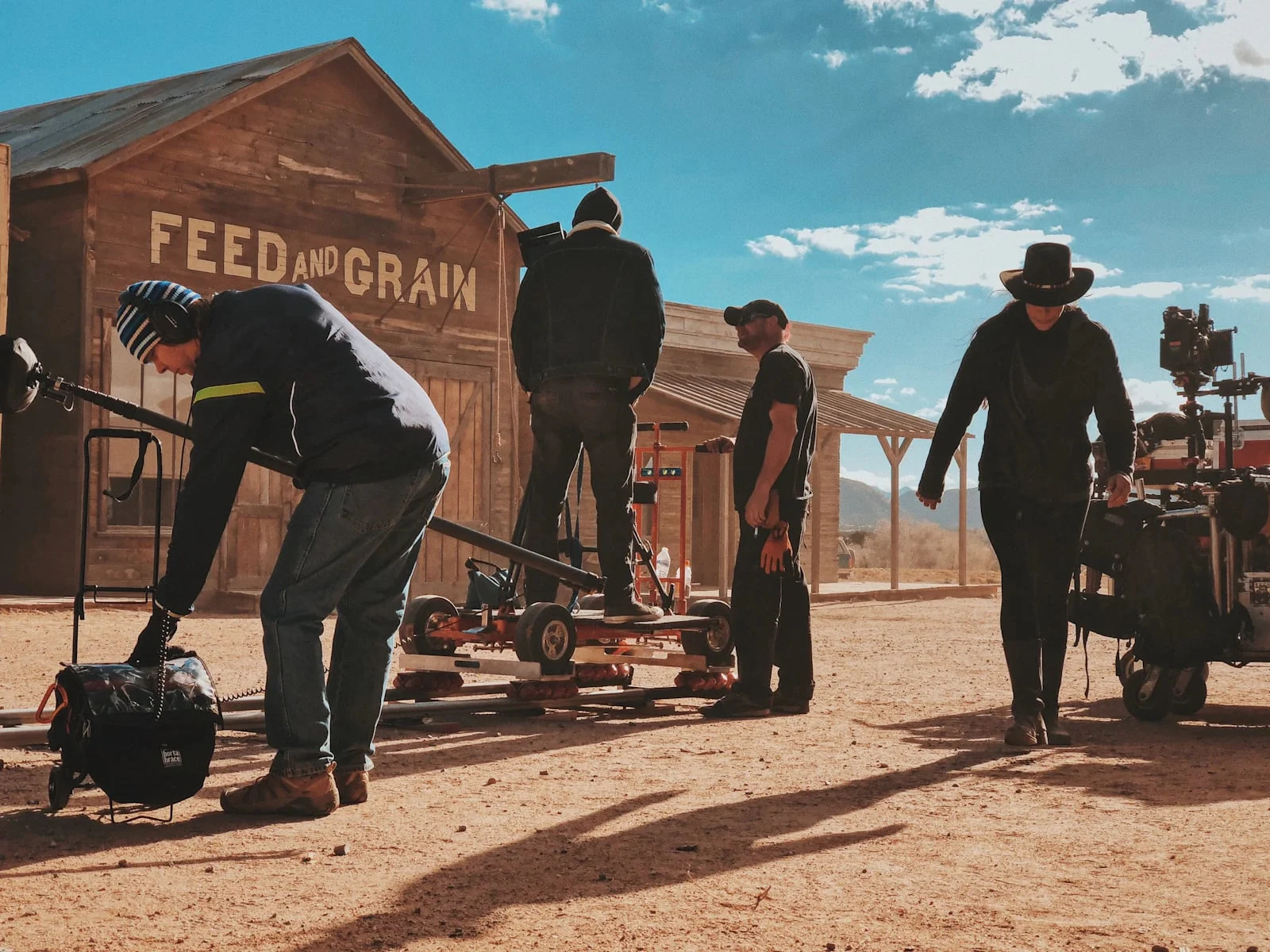
The Diploma in Media Studies sits inside the Media, Journalism & Communication department at LSCT and is built for school leavers, runners-in-training and career changers entering UK production, digital and content roles. Delivered over 9 to 12 months on-campus in central London, fully online or by structured distance learning, the programme combines media criticism with hands-on production work - podcasting, short-form video, social platforms and writing - under UK regulatory frameworks including Ofcom, IPSO and the Online Safety Act.
From your first week you will be producing real social and audio content, reading current Ofcom decisions and pitching to working London editors rather than only studying theory. By the end you will hold a UK-recognised diploma, a production portfolio across audio, video and writing, and a clear next step into a BA Public Relations, BA Journalism or a UK production runner role.
The programme runs on a weekly newsroom rhythm: pitch on Monday, file on Wednesday, edit on Thursday and review on Friday. Tutors include working UK journalists, agency leads and in-house comms practitioners drawn from London newsrooms, PRCA-graded consultancies and FTSE press offices. Cohort sizes are deliberately small so feedback is line-by-line rather than generic, which is how editorial standards actually improve.
Key Features
- Royal Television Society- and CIPR-aware syllabus reflecting RTS production standards and CIPR communication frameworks.
- Three study modes - on-campus near Soho, fully online with live production sessions, or structured distance learning.
- Audio production lab with podcast editing on Hindenburg and Pro Tools.
- Short-form video module covering vertical video, captioning and platform-native storytelling.
- UK Online Safety Act unit reflecting Ofcom's duties on user-to-user services.
- Direct progression into the LSCT BA Public Relations, BA Investigative Journalism and BA Media Management.
What You Will Learn
You will graduate able to produce a short podcast, edit a vertical video, write platform-native copy and explain to a non-specialist why a particular UK regulatory boundary applies to a piece of content. Modules include:
- Media Theory and Critical Analysis
- Podcast Production and Audio Storytelling
- Short-Form Video for Social Platforms
- Digital Writing and Platform-Native Copy
- UK Media Regulation: Ofcom, IPSO, Online Safety Act
- Photography and Visual Communication Basics
- Audience Research and Analytics for Creators
- Ethics, Representation and Inclusive Media Practice
Assessment is portfolio-led: you are graded on published work, on-the-record copy and live editorial defence in front of the cohort and a working UK practitioner. This pattern is deliberate - it mirrors how UK newsroom and consultancy candidates are actually tested at interview, and it forces every student to develop the habit of standing behind their copy when a tough question lands rather than retreating behind a brief.
Who This Course Is For
- School leavers targeting UK production runner, digital editor and content roles.
- Career changers entering UK creative-industry work from marketing or retail.
- Self-taught podcasters and creators wanting a UK-recognised qualification.
- International applicants seeking a UK media-studies diploma before BA progression.
Hybrid candidates with one foot in editorial and the other in commercial communications are particularly well-served, since UK in-house teams increasingly need people who can switch between newsroom and boardroom registers.
Career Pathways
Graduates step into the production-runner, digital-content and social-media seats that UK broadcasters, podcast houses, agencies and brands fill each quarter, particularly across Soho and east London. Typical first roles include:
- Production Runner (UK TV or podcast)
- Junior Podcast Producer
- Social Media Coordinator (UK brand or agency)
- Digital Content Assistant (UK publisher)
- Editorial Assistant (UK media outlet)
- Community Manager
Graduates often progress to the LSCT BA Public Relations, BA Investigative Journalism or to UK media-industry trainee schemes.
Beyond the obvious newsroom and consultancy routes, graduates are picked up by UK in-house communications teams at FTSE companies, NHS trusts, large charities and central government departments. Hiring conversations test how you draft under deadline pressure and how you defend an editorial decision when challenged, so the cuttings and case-study portfolio you build during the programme matters more than the certificate itself.
Recent intakes have included career changers from teaching, returners after parental leave, working freelancers and people stepping out of agency life into in-house roles - the cohort mix itself becomes part of the curriculum.
Entry Requirements
- Completed secondary schooling (A-levels, BTEC Level 3, IB or recognised international equivalent) or equivalent work experience in media, content or marketing.
- GCSE English Language at grade 4/C or above (or equivalent) - a short creative-portfolio piece is requested for this programme at application.
- English language: IELTS 6.0 overall (no band below 5.5) for non-native English speakers.
- A short personal statement; mature applicants may apply with a portfolio or CV.
Why Study at LSCT
The London School of Commerce and Technology (LSCT) is a specialist higher-education provider based in central London and part of Harold International College. We teach in small cohorts so every student is visible to their tutor, run a single intake schedule that students can rely on, and partner with UK professional bodies so qualifications carry weight with employers. London puts Whitehall, the City, Silicon Roundabout, the Royal Courts of Justice, the West End and the NHS estate within a short tube ride of every classroom - and our students use that proximity in their projects, placements and graduate job hunts. For media students Soho is the lab: working UK podcast producers, broadcast editors and London-agency creative directors run guest sessions on real production briefs.
We also run a structured careers service from intake onwards: scheduled mock editorial interviews with working UK newsroom and consultancy practitioners, CV and cuttings-book reviews aligned to UK hiring norms, and live cohort sessions on how UK editors, agency MDs and in-house heads actually filter candidates. Every student is paired with an alumni mentor working in their target UK media sector - a small touch but one that compounds across the year.
Apply for Diploma in Media Studies
Ready to take the next step into the Media, Journalism & Communication sector? Click Enrol Now to submit your application for the Diploma in Media Studies; admissions reply within one working day with intake dates and portfolio guidance.