Diploma in Photojournalism
Course Overview
The Diploma in Photojournalism at the London School of Commerce and Technology (LSCT) is a 9 to 12-month qualification for serious working and aspiring news photographers building a publishable UK portfolio. The diploma is shaped by NCTJ press-photography standards, the NUJ photographers' branch practice guidance and IPSO Editors' Code rules on imagery. It is taught from our central London base with online and distance routes.
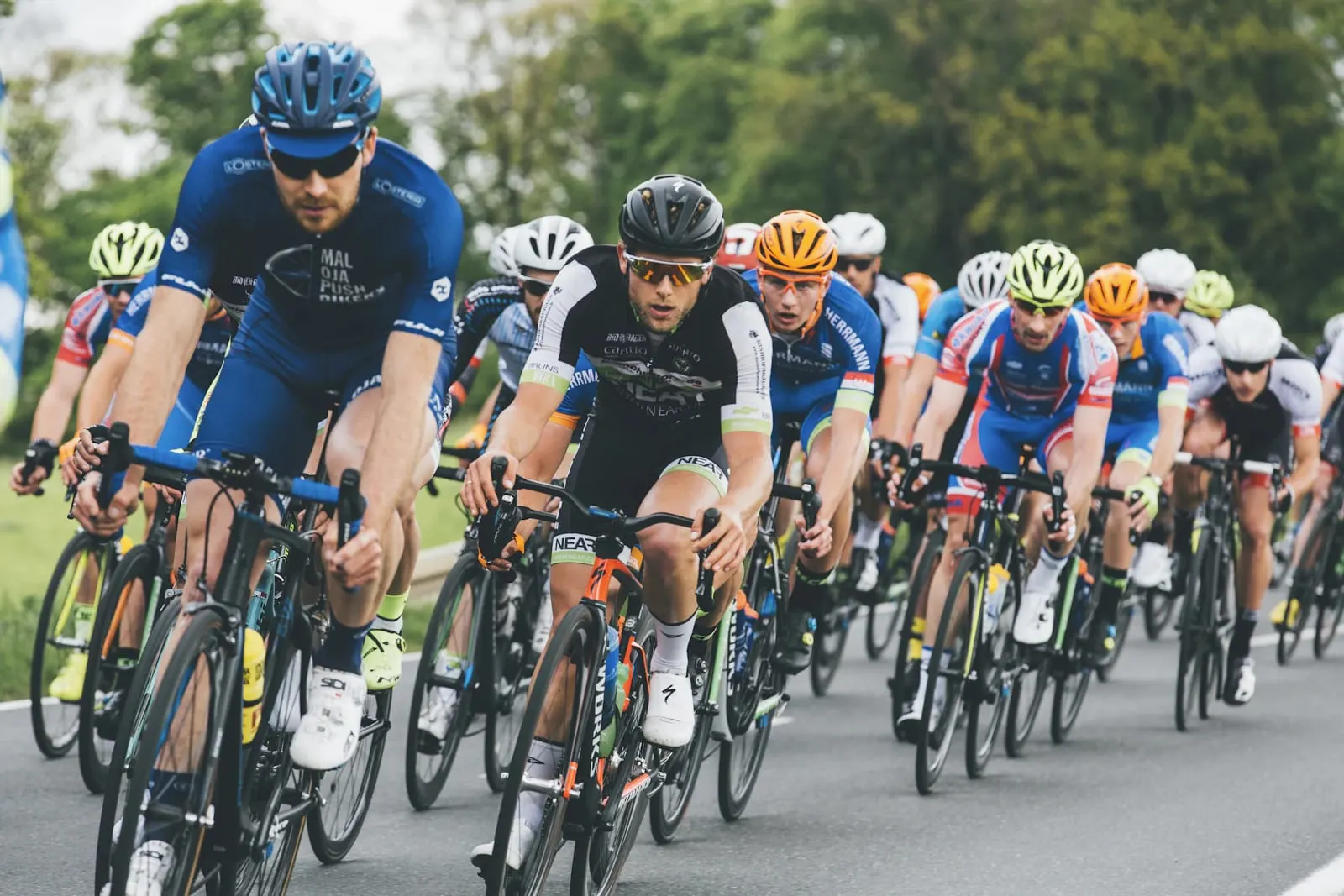
You will photograph and edit weekly assignments from week two - news, features, sport, portrait and longform documentary - supervised by working UK photojournalists. Assessment is a publishable portfolio of 25 captioned images, a longform documentary essay and a written ethics piece.
You will publish or broadcast to a real audience from the first term, with editorial standards set on day one and applied consistently across all student output. The faculty maintains active newsroom and agency contacts across UK media so guest practitioners drop into seminars regularly and feedback loops back from the industry into the syllabus continuously.
Key Features
- NCTJ press-photography-aligned diploma with NUJ practice references.
- Three study modes - central London assignment weeks, online with live critique clinics, or distance learning with mentor portfolio review.
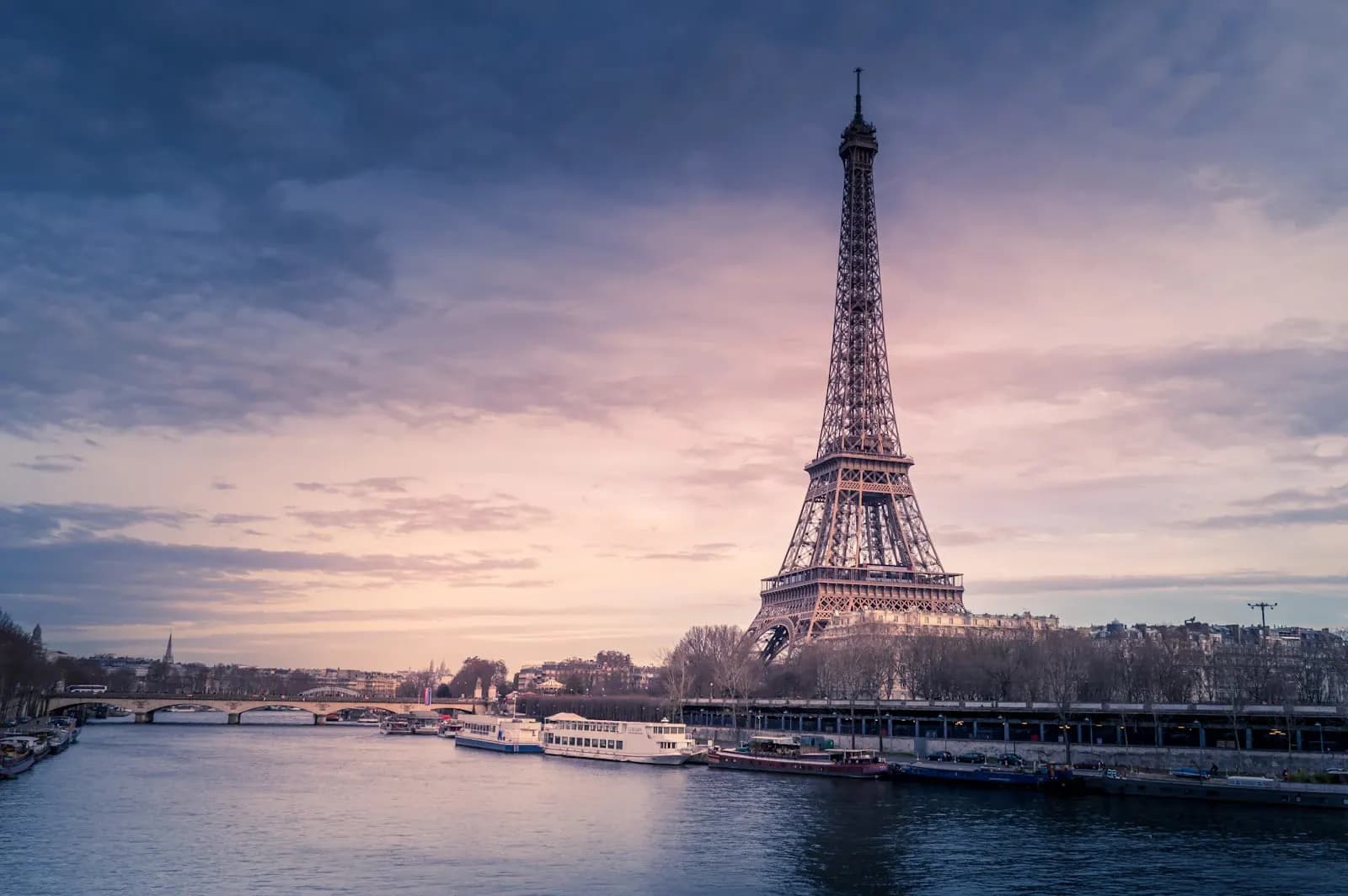
- UK assignment calendar covered around London landmarks and events.
- Longform documentary project as a centrepiece.
- Ethics and consent module on UK and ECHR Article 8 frameworks.
- Final portfolio reviewed by a working UK news photographer.
The programme is scheduled around the rhythm of a working media operation - newsdays mid-week, longer-form work over the weekend - so students experience the cadence as well as the craft. Editorial standards are set on day one and applied consistently across every piece of student work.
What You Will Learn
The diploma builds the four practitioner habits UK picture editors hire experienced juniors for - technical mastery, narrative composition, ethical clarity, and the editorial composure to file under deadline.
- Advanced camera technique - exposure, motion, lens choice.
- News, features, sport and portrait composition.
- Lighting on assignment, including challenging UK light.
- Editing in Lightroom and Photoshop for news.
- Longform documentary craft.
- Caption writing, metadata and UK desk style.
- Ethics, consent, ECHR Article 8 and IPSO compliance.
- Freelance practice, rights and rates.
Modules are assessed by working practitioners as well as academics, which means feedback reads more like an editor note than a marker comment. Students leave with cuttings, packaged work and a portfolio that can be sent straight to a hiring desk.
Who This Course Is For
- Working photographers moving fully into editorial assignment.
- Reporters adding professional image craft.
- Creators building documentary careers.
- International applicants seeking a UK-recognised photojournalism credential.
Working journalists adding a specialism are welcome and the media department offers flexible scheduling for those filing daily. International applicants seeking UK media credentials are supported through the post-Brexit publishing landscape and IPSO regulatory framework.
Career Pathways
Graduates work across UK and international photojournalism. Typical destinations include:
- Photojournalist (Staff or Freelance)
- Documentary Photographer
- Picture-Desk Editor (Junior)
- Multimedia Reporter
- Press Photographer (Sport / News)
- Visual Editor (Digital Newsroom)
Recent destinations include desks at UK regional and national titles, in-house communications teams at FTSE-listed firms, the press functions of public-sector bodies, charity communications, and independent podcast and digital-publishing operations. The placements team supports portfolio review, pitch practice and direct introductions where appropriate.
The diploma sits as a strong precursor to an Advanced Diploma in Investigative Journalism or a BA in Media Studies.
The media department maintains an active alumni network across UK newsrooms, agencies and in-house communications functions, with former students regularly returning as guest tutors and direct referrers for current cohorts.
Entry Requirements
- Completed secondary schooling (A-levels, BTEC Level 3, IB or recognised international equivalent) or equivalent photographic work experience.
- GCSE English Language at grade 4/C or above (or equivalent).
- English language: IELTS 6.0 overall (no band below 5.5) for non-native English speakers.
- A short personal statement and a portfolio of ten of your own images submitted with your application.
Mature applicants with newsroom, agency or in-house communications experience may apply with a CV and a small portfolio rather than the formal qualifications listed above. International applicants are supported through pre-arrival orientation and CAS issuance, and the media department offers tutorial support for those building UK-context portfolios.
Why Study at LSCT
The London School of Commerce and Technology (LSCT) is a specialist higher-education provider based in central London and part of Harold International College. We teach in small cohorts so every student is visible to their tutor, run a single intake schedule that students can rely on, and partner with UK professional bodies so qualifications carry weight with employers. London puts Whitehall, the City, Silicon Roundabout, the Royal Courts of Justice, the West End and the NHS estate within a short tube ride of every classroom - and our students use that proximity in their projects, placements and graduate job hunts. The media faculty includes UK news photographers whose recent work has run in national titles, so portfolio reviews use the same standards that picture editors apply at commissioning.
The media department brings practitioner panels into every cohort - from working journalists who file daily to PR directors who handle current FTSE reputations - which keeps the syllabus connected to the live UK industry. Students publish to a real audience under their own bylines from the first term.
Apply for Diploma in Photojournalism
Ready to take the next step into the Media, Journalism & Communication sector? Click Enrol Now to submit your application for the Diploma in Photojournalism; admissions reply within one working day.
Admissions on the media programme respond within one working day with intake confirmation and a short portfolio review where applicable. Tuition discussions and any relevant industry-progression bursaries are flagged privately by the team during enrolment.
The team can discuss study-mode flexibility between cohorts and pre-arrival orientation for international students taking on the central London on-campus route.
Cohort sizes remain deliberately small so editorial feedback is detailed and immediate, and current students consistently report the working-practitioner tutors as the strongest feature of the LSCT media programme.
Course handbooks, assessment criteria, the academic calendar and the named tutor for each cohort are shared at induction so every learner knows exactly how their progress is measured from the first day. The LSCT student experience team is available throughout the programme for academic and pastoral support, and assignment turnaround times are published in the handbook rather than left to ad-hoc practice. Cohorts move through the syllabus together and stay in touch as alumni once they finish, which is part of how the LSCT community sustains its professional networks year on year.