Advanced Diploma in Anthropology
Course Overview
The Advanced Diploma in Anthropology at the London School of Journalism, Humanities & Modern Languages (LSJHML) is a twelve-to-fifteen-month senior-track UK qualification for Diploma graduates and working researchers ready to lift their practice into supervisory or specialist anthropological work. You will run a short ethnographic study from design to write-up, interrogate the comparative literature in social and cultural anthropology, and rehearse the applied skills museums, heritage bodies and UX research teams now hire for.
The Advanced Diploma in Anthropology takes you beyond textbook ethnography and into the questions a working researcher faces - how to gain access to a community, how to record without distorting, and how to write up findings that hold up to peer scrutiny. By the end you can lead a small piece of fieldwork and present it credibly to a non-specialist audience.
Key Features
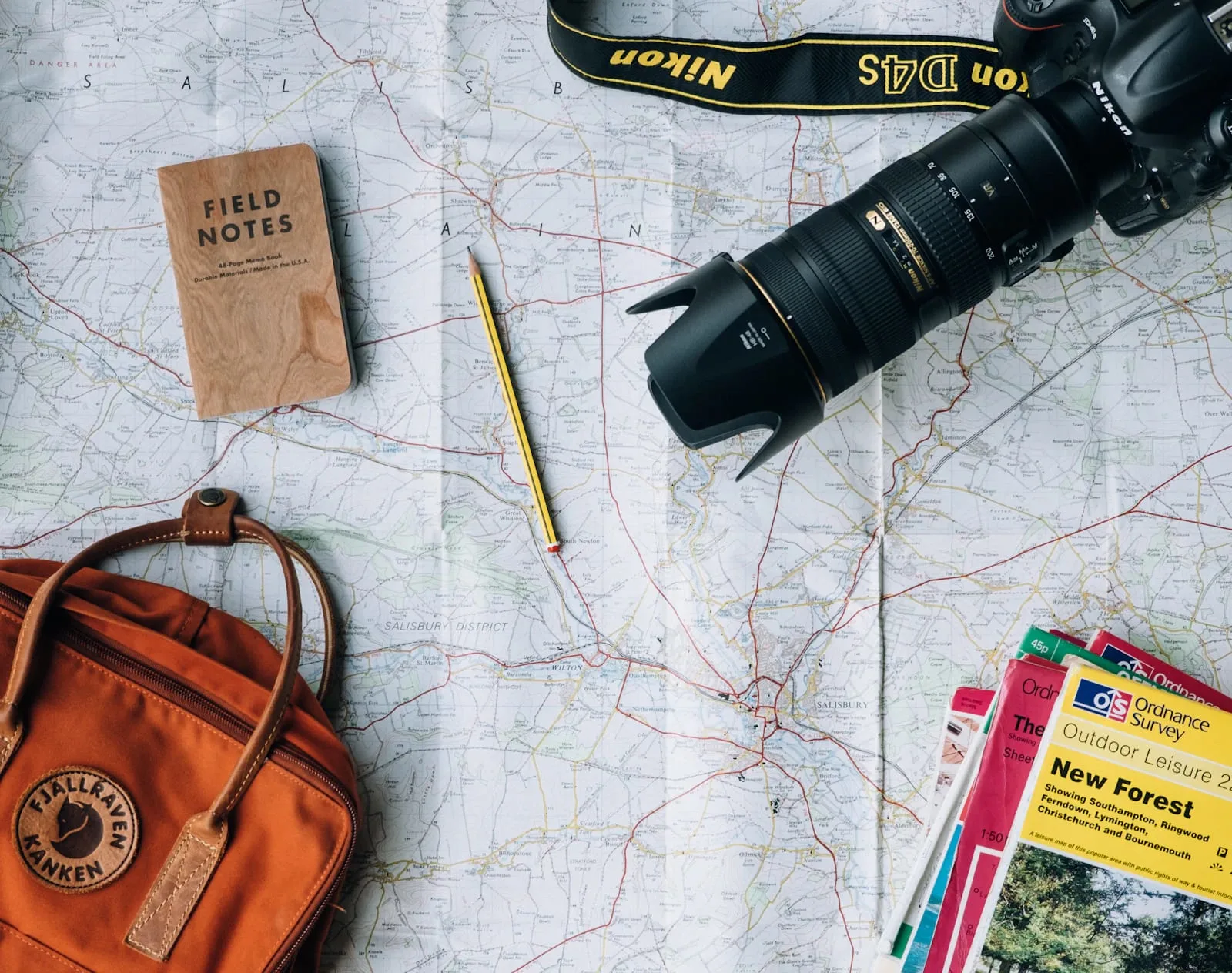
- Supervised field project - design, execute and write up a short ethnographic study in a London community or workplace setting.
- Methods clinic covering participant observation, semi-structured interviewing, sensory ethnography and digital ethnographic techniques.
- Applied anthropology track with case studies drawn from UX research, NHS service design, museum interpretation and international development.
- Reading seminars grounded in current Royal Anthropological Institute and Association of Social Anthropologists scholarship.
- Three study modes - on-campus seminars in central London, online with cohort calls, or distance learning with structured milestones.
- Credit transfer into the final year of a UK Bachelor's degree in Anthropology at LSJHML or a partner university.
What You Will Learn
The Advanced Diploma in Anthropology is structured around the working practice of an applied or academic researcher. You graduate able to plan a study, defend your methodology, write up findings to publishable standard, and apply ethnographic insight in policy, design and heritage contexts.
- Research design - research question construction, sampling, gatekeepers and access negotiation.
- Participant observation - fieldnotes discipline, reflexivity, the ethics of presence.
- Interview methods - semi-structured, life-history and walking interviews.
- Visual and sensory ethnography - photography, video diaries, multi-sensory recording.
- Digital and online ethnography - community studies in messaging apps, gaming spaces and platforms.
- Data analysis - thematic coding, narrative analysis, NVivo and lightweight alternatives.
- Research ethics - informed consent, anonymisation, vulnerable populations, BSA and RAI guidelines.
- Writing up - ethnographic monograph structure, journal article preparation, public-facing summary.
- Applied practice - translating ethnographic insight into design briefs, policy papers and exhibition narratives.
Who This Course Is For
- Diploma-level graduates in anthropology, sociology or related social sciences ready for senior-track specialist work.
- UX researchers, service designers and policy analysts using ethnographic methods who want a recognised research credential.
- Museum, heritage and gallery professionals moving into curatorial or interpretation roles that demand cultural research literacy.
- International development workers and NGO staff who want a UK qualification in applied social research methods.
Career Pathways
The Advanced Diploma in Anthropology lifts graduates into specialist research roles across the UK heritage, public-service and design sectors. Many continue to a Bachelor's top-up year; others move directly into senior practitioner work where ethnographic literacy is in demand. Typical roles include:
- Social Anthropologist (research consultancy, academic project team)
- UX Researcher (technology firm, service-design agency)
- Heritage Officer (museum, National Trust property, local authority)
- International Development Researcher (NGO, charity, evaluation consultancy)
- Ethnographer (market research, design strategy)
- Policy Researcher (think tank, government social research)
The Advanced Diploma articulates directly into the final year of a UK Bachelor's degree in Anthropology at LSJHML or a partner university.
Entry Requirements
- A UK Diploma (Level 4) or equivalent in a related subject, OR completion of secondary school plus one year of relevant work experience.
- IELTS 5.5 overall (no band below 5.5) for non-native English speakers.
- Personal statement and CV.
- Mature applicants (21+) without standard qualifications may apply with three years of relevant work experience.
Why Study at LSJHML
The London School of Journalism, Humanities & Modern Languages is a specialist higher-education provider based in central London. Our programmes are designed in dialogue with working professionals - journalists, translators, civil servants, academics, broadcasters, editors, publishers and policy researchers - so what you learn in seminar on Monday is what your future employer is using on Tuesday. We deliberately keep cohorts small, give every student named tutor support, and treat employability as a structural part of every programme rather than an optional add-on.
London is the work - politics, courts, capital markets, theatre, broadcasting, publishing, public service, the global press. Your studies are taught in the same square mile where the stories you read about happen. Whether you join us on-campus, online or by distance learning, the city is your classroom and our industry network is your launchpad.
Apply for the Advanced Diploma in Anthropology
Apply today - admissions reply within one working day and can map your prior credits on the spot.