Advanced Diploma in Sports Journalism
Course Overview
The Advanced Diploma in Sports Journalism at the London School of Journalism, Humanities & Modern Languages (LSJHML) is a twelve-to-fifteen-month UK qualification for journalists moving into a sports specialism. You will file live match reports to deadline, write longer-form sports features, conduct post-match interviews under pressure, and produce broadcast-quality audio and video for the digital sports environment a working sports desk now publishes into.
The course is built around Sports Journalists' Association of Great Britain and NUJ practice. By the end you will have filed reports from real fixtures across the London sporting calendar, built a portfolio of features and packages, and have the working pace and discipline a sports desk recruits for.
Key Features
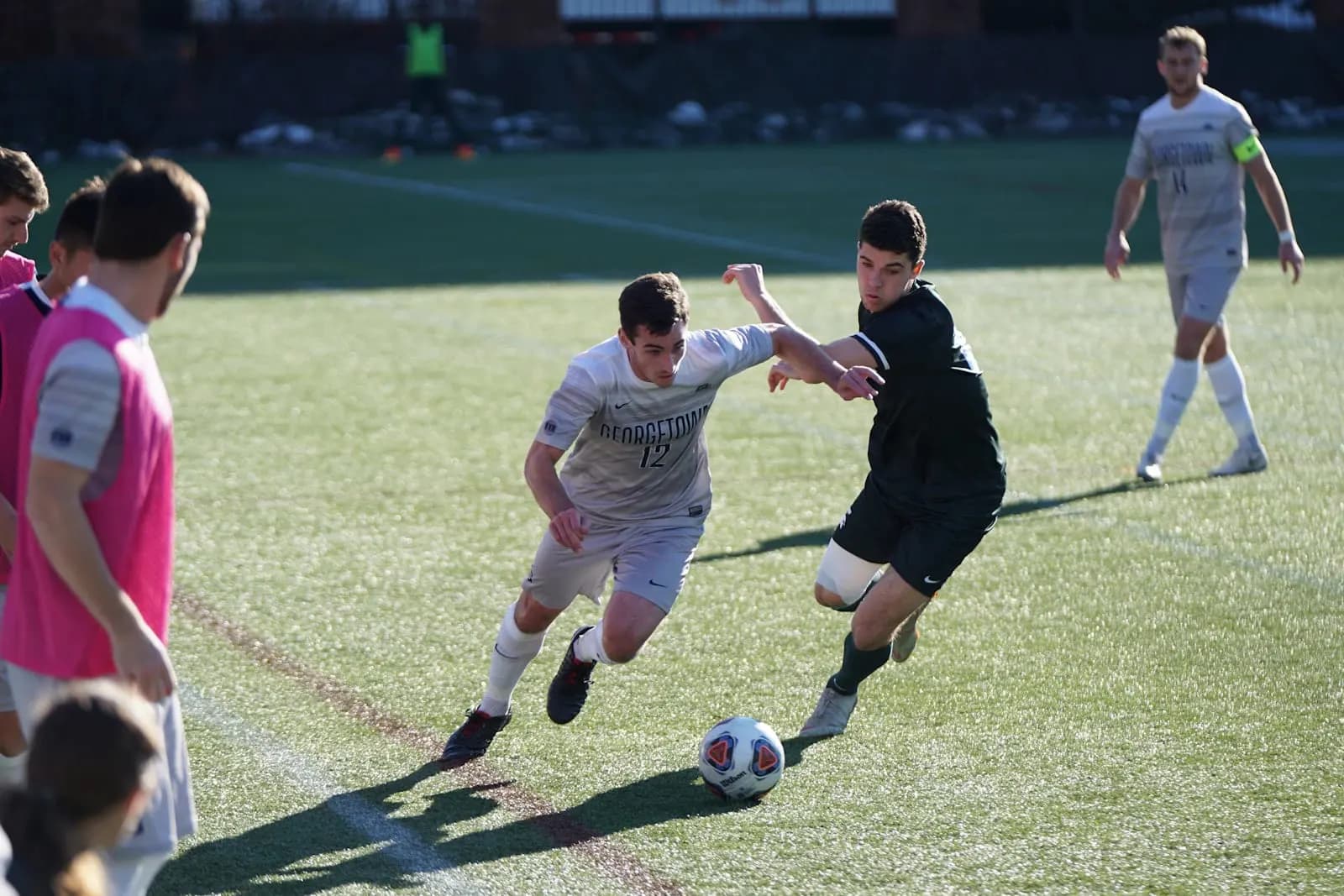
- Live match-reporting workshops - file from real London fixtures across football, rugby, cricket and athletics.
- Sports feature module - long-form profiles, investigations, the off-season piece.
- Broadcast sports module - match commentary basics, post-match interview craft, podcast production.
- Sports law and regulation - defamation in sport, contempt, transfer-window reporting, anti-doping coverage.
- Data in sport - Opta-style data interpretation, advanced statistics, the rise of analytics-led reporting.
- Year-end sports portfolio presented to sports editors from UK national, regional and digital titles.
What You Will Learn
The Advanced Diploma in Sports Journalism is structured around the working pace of a sports desk - match day, post-match, mid-week features, longer-form weekend writing. You graduate able to file a 600-word match report inside the final whistle, write a Sunday think-piece, and front a podcast interview without losing the room.
- Match reporting - the running report, the immediate write-up, the colour piece.
- Sports interviewing - pre-match access, post-match conditions, off-record sources in sport.
- Sports feature writing - the athlete profile, the institutional investigation, the off-season piece.
- Broadcast craft for sport - match commentary, post-match analysis, podcast structure.
- Sports data and analytics - Opta-style data, expected goals, basic stats literacy for the sports writer.
- Sports media law - defamation in sport, transfer-window risk, anti-doping reporting restrictions.
- Diversity and ethics in sports coverage - women's sport, disability sport, mental health coverage.
- The sports media business - rights, paywalls, social-first publishing, fan-owned media.
Who This Advanced Diploma Is For
- Diploma-level journalism graduates moving into a sports specialism.
- Working news reporters wanting a credible switch to a sports desk.
- Sports bloggers and podcast hosts with audience but no editorial training looking for a credential.
- Athletes and former athletes moving into post-career sports media roles.
Career Pathways
Sports journalism is a competitive but expanding field - national titles, regional dailies, broadcast newsrooms, digital publishers, podcast networks and fan-owned media all hire trained sports journalists. Typical post-Advanced-Diploma roles include:
- Sports Reporter (regional daily, national title)
- Match Correspondent (digital sports publisher, agency)
- Sports Features Writer (national title, weekend supplement)
- Broadcast Sports Journalist (BBC Sport, talkSPORT, Sky Sports - entry)
- Sports Editor (regional title, specialist publication)
- Sports Podcast Producer (independent network, broadcaster)
Graduates progress to a Bachelor's degree top-up at LSJHML or a partner university, or into an MA in Sports Journalism or Broadcast Journalism.
Entry Requirements
- A UK Diploma (Level 4) or equivalent in a related subject, OR completion of secondary school plus one year of relevant work experience.
- IELTS 5.5 overall (no band below 5.5) for non-native English speakers.
- Personal statement, CV and a short writing or audio sample (a match report, blog post or podcast clip).
- Mature applicants (21+) without standard qualifications may apply with three years of relevant work experience.
Why Study at LSJHML
The London School of Journalism, Humanities & Modern Languages is a specialist higher-education provider based in central London. Our programmes are designed in dialogue with working professionals - journalists, translators, civil servants, academics, broadcasters, editors, publishers and policy researchers - so what you learn in seminar on Monday is what your future employer is using on Tuesday. We deliberately keep cohorts small, give every student named tutor support, and treat employability as a structural part of every programme rather than an optional add-on.
London is the work - politics, courts, capital markets, theatre, broadcasting, publishing, public service, the global press. Your studies are taught in the same square mile where the stories you read about happen. Whether you join us on-campus, online or by distance learning, the city is your classroom and our industry network is your launchpad.
Apply for the Advanced Diploma in Sports Journalism
Apply today - admissions reply within one working day and can map your prior credits on the spot.