Advanced Diploma in Political Journalism
Course Overview
The Advanced Diploma in Political Journalism at the London School of Journalism, Humanities & Modern Languages (LSJHML) is a twelve-to-fifteen-month UK qualification for reporters stepping into Westminster, Whitehall and devolved-government coverage. You will learn how Parliament actually works, how a bill becomes law, how the lobby system operates, and how to file a credible political story under deadline pressure with a sceptical editor on your shoulder.
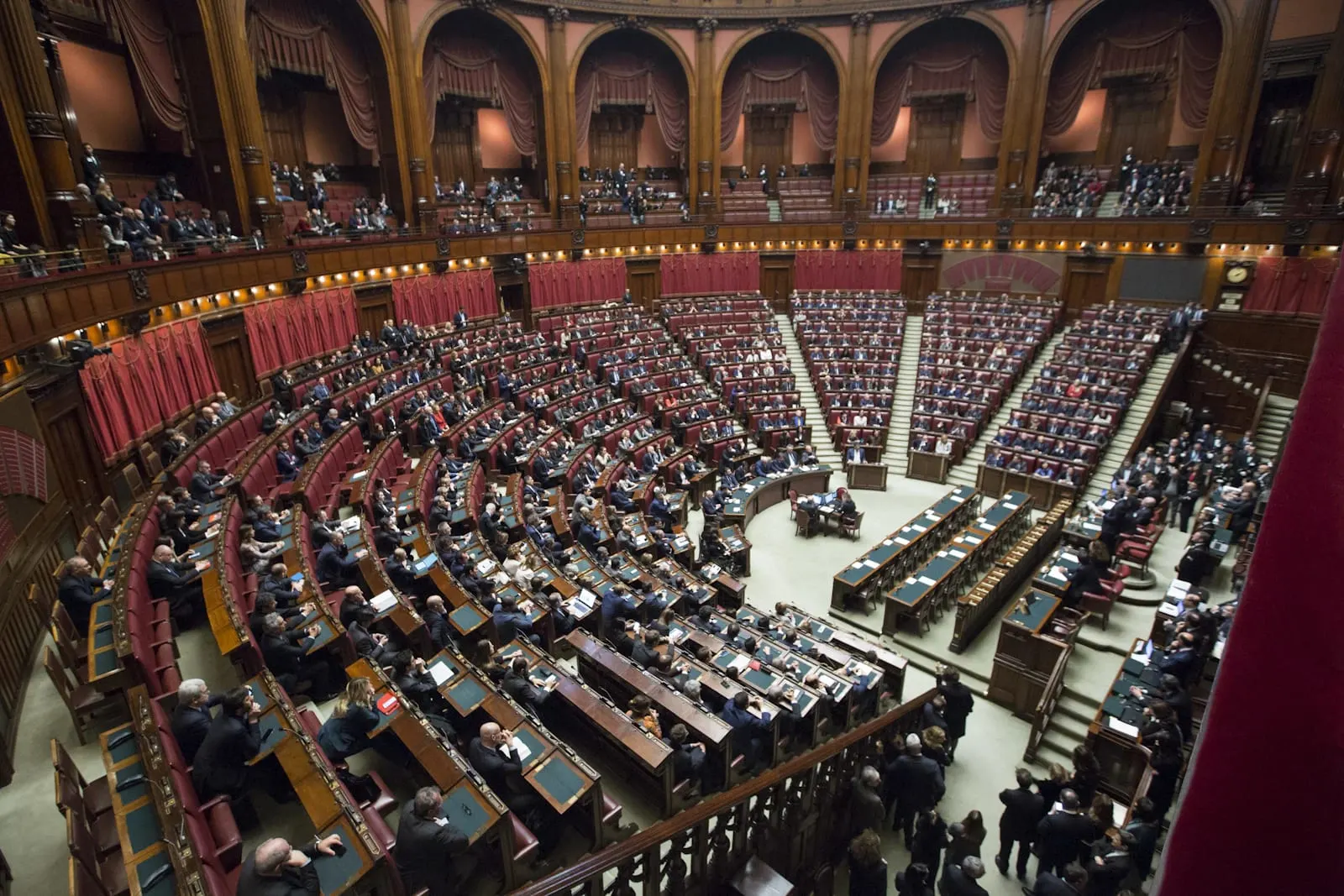
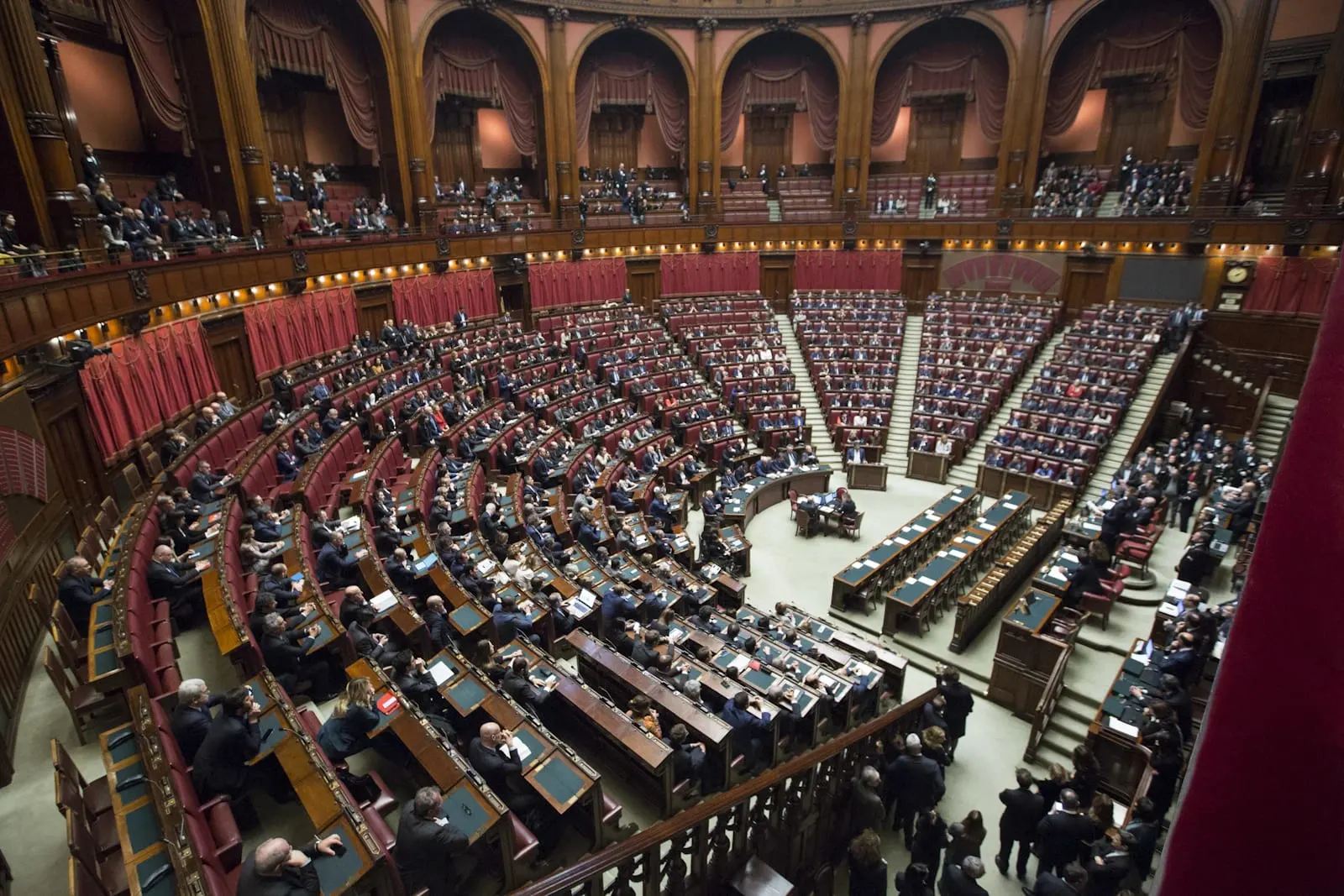
Politics is taught in the city where the bill is drafted, debated and voted on. By the end of the course you can read a select-committee report, follow a piece of legislation through both houses, brief a news desk on a story that is breaking on Twitter, and stand it up by 5pm.
Key Features
- Parliamentary process module - both houses, select committees, statutory instruments, the legislative timetable.
- Lobby and press gallery briefing - how political journalists work inside Westminster's accreditation system.
- Whitehall reporting - departments, special advisers, leak culture, FOI for political stories.
- Devolved and local political reporting - Holyrood, the Senedd, Stormont, City Hall and mayoral systems.
- Election reporting module covering polling, impartiality, broadcast purdah and result-night logistics.
- Industry masterclasses with working political reporters from UK national titles, broadcasters and trade press.
What You Will Learn
The Advanced Diploma in Political Journalism is structured around the working week of a political reporter - read the order paper, work the contacts, file the story, defend it. You leave able to navigate Parliament, file from Whitehall, cover an election and write a political story that stands up legally and editorially.
- Parliamentary procedure - bills, statutory instruments, select committees, debate conventions.
- Government structure - departments, civil service, special advisers, the cabinet system.
- Devolved settlement - Holyrood, the Senedd, Stormont, the Northern Ireland Protocol context.
- Local and regional politics - councils, mayors, combined authorities, the police and crime commissioner.
- Lobby system and the press gallery - accreditation, off-the-record protocols, embargo culture.
- FOI for political stories - Cabinet Office exemptions, ICO appeals, departmental disclosure logs.
- Election reporting - polling literacy, impartiality requirements, count-night filing.
- Political law - privilege, contempt around live proceedings, election law, defamation in political coverage.
Who This Advanced Diploma Is For
- Diploma graduates in journalism stepping into political or public-affairs reporting.
- Local-government and council reporters wanting to move up to Westminster or regional politics.
- Public affairs and policy professionals shifting into journalism, or wanting reporter-side literacy.
- International journalists relocating to the UK who need to learn the political system fast.
Career Pathways
Political journalism remains one of the most competitive specialisms in UK media, and graduates of the Advanced Diploma in Political Journalism build the procedural literacy and contact base entry into the field requires. Recent destinations from comparable programmes include trade-press political desks, broadcaster Westminster teams and policy-focused outlets. Typical roles include:
- Political Reporter (national newspaper, broadcast newsroom)
- Westminster Correspondent (regional title, trade press)
- Policy Journalist (specialist publication, think-tank-adjacent outlet)
- Public Affairs Adviser (consultancy, in-house team)
- Lobby Correspondent (national newsroom)
- Local Democracy Reporter (regional and local press)
Graduates top up to a Bachelor's degree in Journalism or Political Journalism at LSJHML or a partner university.
Entry Requirements
- A UK Diploma (Level 4) or equivalent in a related subject, OR completion of secondary school plus one year of relevant work experience.
- IELTS 5.5 overall (no band below 5.5) for non-native English speakers.
- Personal statement and CV; international applicants are asked to outline their UK political interests.
- Mature applicants (21+) without standard qualifications may apply with three years of relevant work experience.
Why Study at LSJHML
The London School of Journalism, Humanities & Modern Languages is a specialist higher-education provider based in central London. Our programmes are designed in dialogue with working professionals - journalists, translators, civil servants, academics, broadcasters, editors, publishers and policy researchers - so what you learn in seminar on Monday is what your future employer is using on Tuesday. We deliberately keep cohorts small, give every student named tutor support, and treat employability as a structural part of every programme rather than an optional add-on.
London is the work - politics, courts, capital markets, theatre, broadcasting, publishing, public service, the global press. Your studies are taught in the same square mile where the stories you read about happen. Whether you join us on-campus, online or by distance learning, the city is your classroom and our industry network is your launchpad.
Apply for the Advanced Diploma in Political Journalism
Apply today - admissions reply within one working day and can map your prior credits on the spot.