Advanced Diploma in Public Affairs Journalism
Course Overview
The Advanced Diploma in Public Affairs Journalism at the London School of Journalism, Humanities & Modern Languages (LSJHML) is a twelve-to-fifteen-month senior-track UK qualification for journalists moving onto the public-affairs and Westminster beat. You will work through the structure of UK government, the parliamentary calendar, lobby conventions and the long-running policy debates that dominate UK and devolved-nations political coverage. By the end of the course you will have produced a portfolio of policy and Westminster reporting strong enough to argue for an entry-level lobby or political desk role.
The Advanced Diploma in Public Affairs Journalism is built around the rhythm of UK political life - PMQs, select-committee evidence sessions, fiscal events, regulatory consultations and the long cycle of Bills through both Houses. By graduation you can read a Bill, parse a select-committee report, and write up a policy story without losing the detail.
Key Features
- Senior-track UK qualification in political and public-affairs journalism, designed around standards drawn from the Hansard Society and Lobby Journalists' Association.
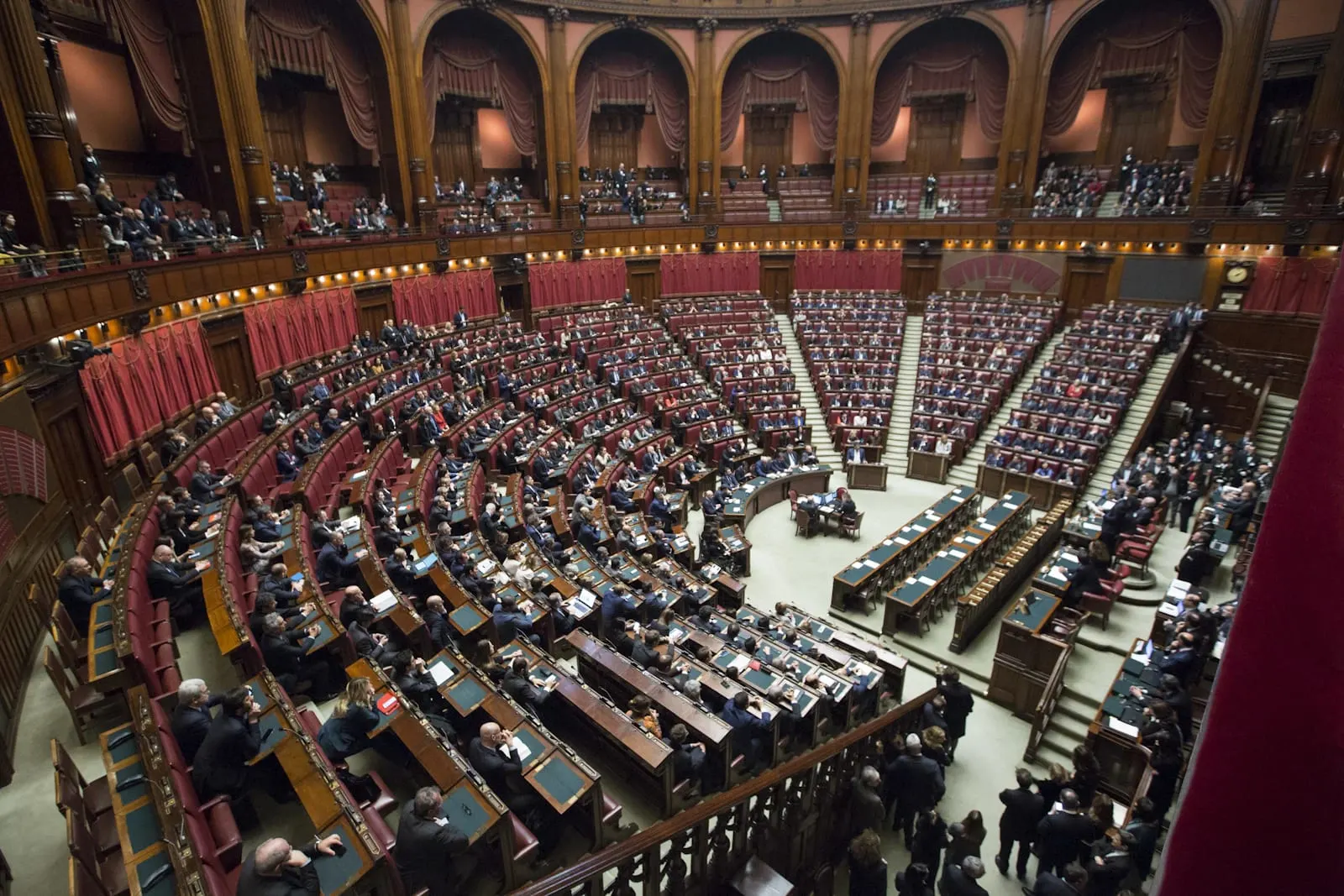
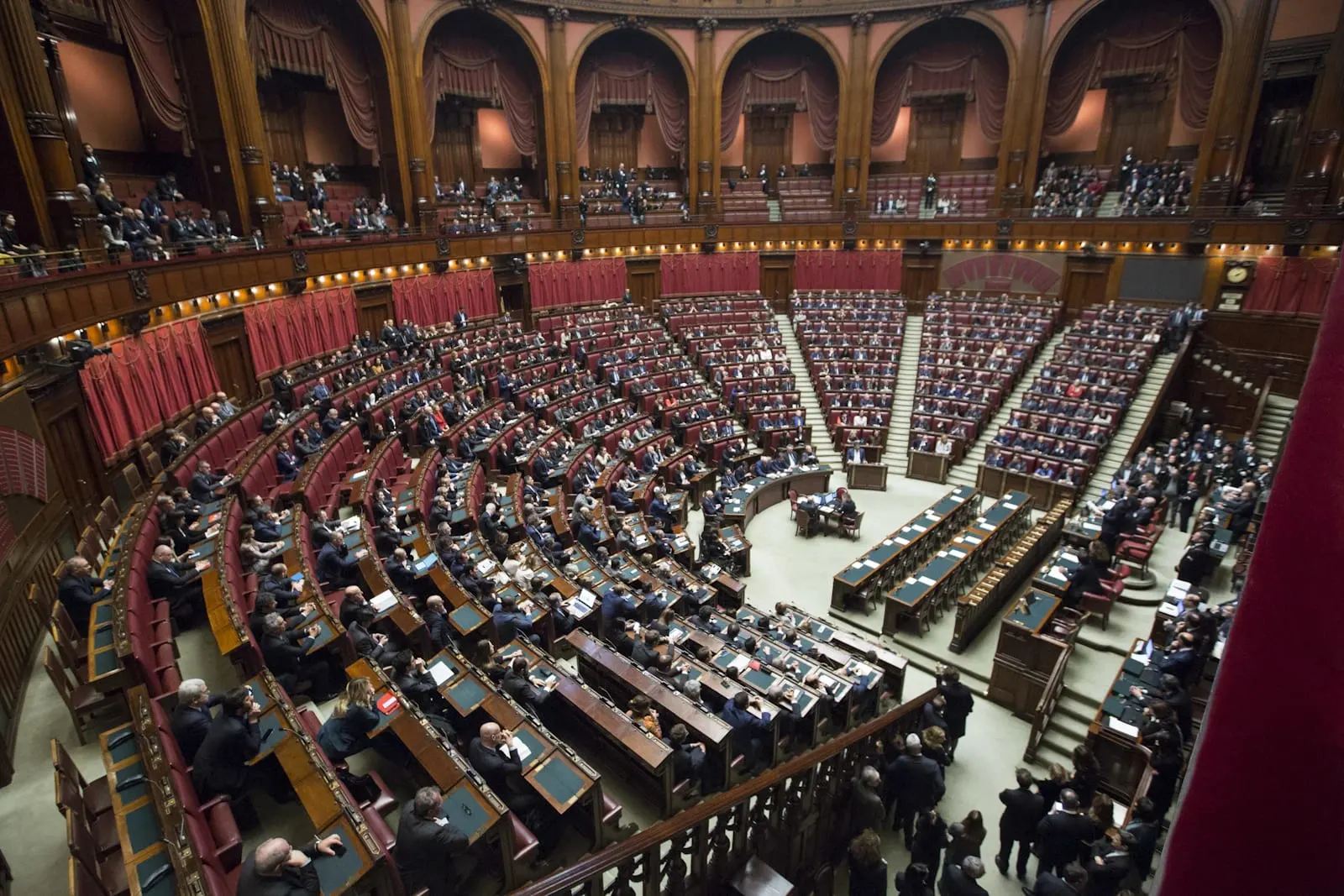
- Westminster reporting module - covering Parliament, government departments, select committees and the press gallery.
- Policy analysis workshops - reading Bills, Green and White Papers, regulatory consultations, OBR documents.
- Devolved-nations coverage - Holyrood, the Senedd and Stormont alongside Westminster.
- Industry masterclasses from working lobby correspondents, political editors and former government press officers.
- Final political-reporting portfolio with byline-ready pieces across daily, feature and analysis formats.
What You Will Learn
The Advanced Diploma in Public Affairs Journalism is structured around the working practice of a UK political reporter - institutional knowledge, source relationships, policy literacy and the discipline of writing about politics without becoming part of it. You leave able to write a credible Westminster story to deadline and explain the consultation process behind a regulation that's about to become law.
- UK government structure - Cabinet, departments, agencies, regulators, the civil service.
- Parliament - procedure, the Bill cycle, divisions, statutory instruments, written and oral questions.
- Select committees - how they work, how to read a report, what evidence sessions tell you.
- Devolved governance - Scotland, Wales and Northern Ireland frameworks and their relationship to Westminster.
- Policy reading - Green and White Papers, consultations, impact assessments, regulatory documents.
- Lobby practice - protocols, attribution, on-the-record and lobby rules, briefing dynamics.
- Election reporting - impartiality rules, polling reporting standards, party-conference coverage.
- Public-affairs media law - defamation in political reporting, parliamentary privilege, contempt at election time.
Who This Advanced Diploma Is For
- Diploma-level journalists moving onto the politics beat.
- Working reporters at regional or specialist titles wanting Westminster-grade institutional literacy.
- Civil servants, parliamentary researchers and public-affairs staff moving into journalism.
- Communications professionals wanting deeper journalism-grade political knowledge.
Career Pathways
Graduates of the Advanced Diploma in Public Affairs Journalism move into political and public-affairs reporting roles across UK media. Typical roles include:
- Political Reporter (regional or national title, broadcaster)
- Westminster Correspondent (specialist or trade title)
- Public Affairs Adviser (consultancy, in-house, charity)
- Policy Journalist (specialist policy publication)
- Lobby Correspondent (post-experience; entry-level lobby roles)
- Select Committee Researcher (parliamentary, civil-service-adjacent)
The Advanced Diploma supports a top-up to BA Political Journalism (final year) or progression into MA-level specialisms in international or political journalism.
Entry Requirements
- A UK Diploma (Level 4) or equivalent in a related subject, OR completion of secondary school plus one year of relevant work experience.
- IELTS 5.5 overall (no band below 5.5) for non-native English speakers.
- Personal statement and CV.
- Mature applicants (21+) without standard qualifications may apply with three years of relevant work experience.
Why Study at LSJHML
The London School of Journalism, Humanities & Modern Languages is a specialist higher-education provider based in central London. Our programmes are designed in dialogue with working professionals - journalists, translators, civil servants, academics, broadcasters, editors, publishers and policy researchers - so what you learn in seminar on Monday is what your future employer is using on Tuesday. We deliberately keep cohorts small, give every student named tutor support, and treat employability as a structural part of every programme rather than an optional add-on.
London is the work - politics, courts, capital markets, theatre, broadcasting, publishing, public service, the global press. Your studies are taught in the same square mile where the stories you read about happen. Whether you join us on-campus, online or by distance learning, the city is your classroom and our industry network is your launchpad.
Apply for the Advanced Diploma in Public Affairs Journalism
Apply today - admissions reply within one working day and can map your prior credits on the spot.