Advanced Diploma in Broadcast Journalism
Course Overview
The Advanced Diploma in Broadcast Journalism at the London School of Journalism, Humanities & Modern Languages (LSJHML) is a twelve-to-fifteen-month course for reporters and producers stepping up from a Diploma into senior-track broadcast work. You will write, voice, edit and present news for radio, podcast, and television, build a multi-platform broadcast portfolio, and run live news days in our central London studio set-up.
This is broadcast taught as a craft, not a theory. Every week you stand up a bulletin, every term you deliver a long-form package, and by the end of the course you have an on-air showreel a regional newsroom or production company can hire on.
Key Features
- Weekly live newsdays - write, voice and present a working bulletin to a fixed slot, with tutor feedback inside ten minutes of going live.
- Television package module covering scripting to camera, vox-pop interviews, on-location shooting, edit-suite work and voice-over discipline.
- Radio and podcast production - studio operation, two-way live interviewing, panel discussion chairing, audio drama-style narrative.
- Vision-mixing and gallery operation - get hands-on with the kit a TV producer is expected to know.
- Industry masterclasses from working broadcast journalists at the BBC, ITN, Sky News, LBC and independent production houses.
- Final broadcast portfolio - at least three TV packages, three radio packages and a complete bulletin, presented to industry guests at year end.
What You Will Learn
The Advanced Diploma in Broadcast Journalism is structured around the daily reality of working in a broadcast newsroom - turnaround, presence, technical competence, and editorial accuracy under deadline. You leave able to walk into a regional TV or radio newsroom, file to a half-hour deadline, and explain to a director why your top line is your top line.
- News script writing for the ear - vocabulary, sentence length, the difference between print prose and broadcast prose.
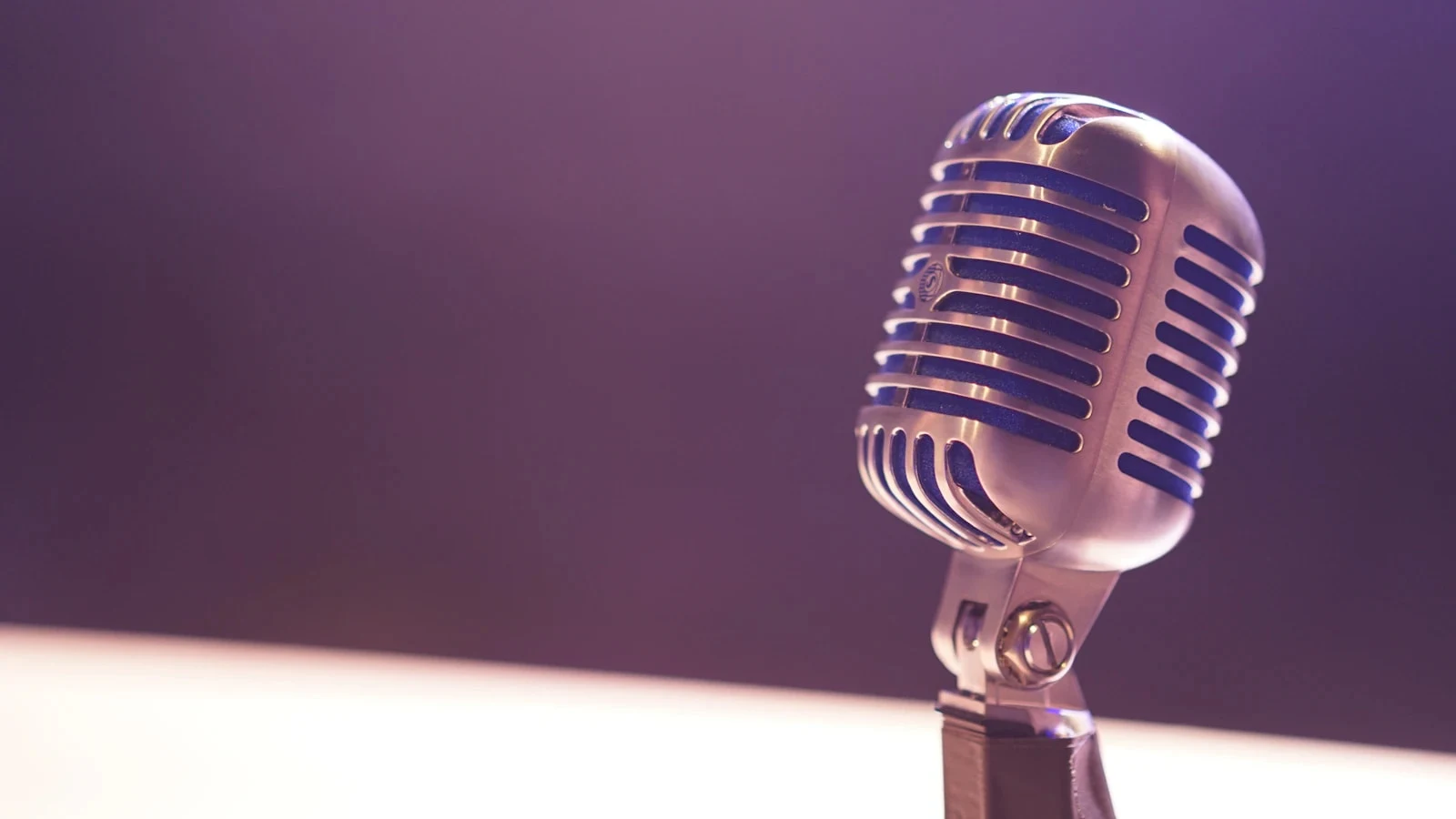
- Voice training - clarity, pace, breath control, microphone discipline.
- Studio operation - desk, gallery, audio mixing, vision mixing, autocue.
- Field reporting - on-camera presence, two-way live links, location sound, B-roll discipline.
- Package construction - scripting, cutting, voiceover, music-bed ethics, archive use.
- Interviewing for broadcast - short-form for bulletins, long-form for features and podcasts.
- Broadcast law - Ofcom Code, election impartiality, court reporting on air, contempt.
- Newsroom management - running order, lead-story choice, breaking-news protocols.
Who This Advanced Diploma Is For
- Diploma-level journalism graduates ready to specialise in broadcast.
- Working print or online reporters wanting a credible transition into TV, radio or podcast work.
- Production assistants and runners at broadcast organisations looking for an editorial credential to move up.
- International journalists relocating to the UK and needing a recognised broadcast qualification to enter the local market.
Career Pathways
Broadcast journalism is a competitive field, but a strong portfolio and broadcast-discipline credentials open doors in regional television, BBC local radio, commercial radio newsrooms and independent podcast production. Typical post-Advanced-Diploma roles include:
- Broadcast Journalist (BBC Local Radio, regional ITV, independent radio)
- Radio News Reporter (commercial newsroom, public-service radio)
- Podcast Producer (longform current affairs, BBC Sounds, independent network)
- Television News Researcher (national news, current-affairs documentary)
- Live News Assistant (rolling-news operations, breaking-news desk)
- Digital Video Journalist (news website, social-first publisher)
Graduates progress to the Bachelor in Broadcast Journalism (top-up) or directly into a master's specialism such as Documentary Journalism or International Journalism.
Entry Requirements
- A UK Diploma (Level 4) or equivalent in a related subject, OR completion of secondary school plus one year of relevant work experience.
- IELTS 5.5 overall (no band below 5.5) for non-native English speakers.
- Personal statement and CV.
- Mature applicants (21+) without standard qualifications may apply with three years of relevant work experience.
Why Study at LSJHML
The London School of Journalism, Humanities & Modern Languages is a specialist higher-education provider based in central London. Our programmes are designed in dialogue with working professionals - journalists, translators, civil servants, academics, broadcasters, editors, publishers and policy researchers - so what you learn in seminar on Monday is what your future employer is using on Tuesday. We deliberately keep cohorts small, give every student named tutor support, and treat employability as a structural part of every programme rather than an optional add-on.
London is the work - politics, courts, capital markets, theatre, broadcasting, publishing, public service, the global press. Your studies are taught in the same square mile where the stories you read about happen. Whether you join us on-campus, online or by distance learning, the city is your classroom and our industry network is your launchpad.
Apply for the Advanced Diploma in Broadcast Journalism
Apply today - admissions reply within one working day and can map your prior credits on the spot.