Advanced Diploma in Interdisciplinary Humanities
Course Overview
The Advanced Diploma in Interdisciplinary Humanities at the London School of Journalism, Humanities & Modern Languages (LSJHML) is a twelve-to-fifteen-month UK qualification for students and professionals who want a structured humanities education without committing to a single disciplinary track. You will read literature alongside history, history alongside philosophy, and philosophy alongside cultural and political thought - and learn to write the kind of essay that holds all of those threads together without losing argument.
This Advanced Diploma is built around the conviction that the most interesting questions sit between disciplines. By the end of the Advanced Diploma in Interdisciplinary Humanities you can construct a long-form essay that reads across primary sources, situate a contemporary debate inside a longer intellectual tradition, and defend a reading in seminar against a sceptical reader.
Key Features
- Long-form essay project - a 6,000-word interdisciplinary essay with tutor supervision and a defended viva at year end.
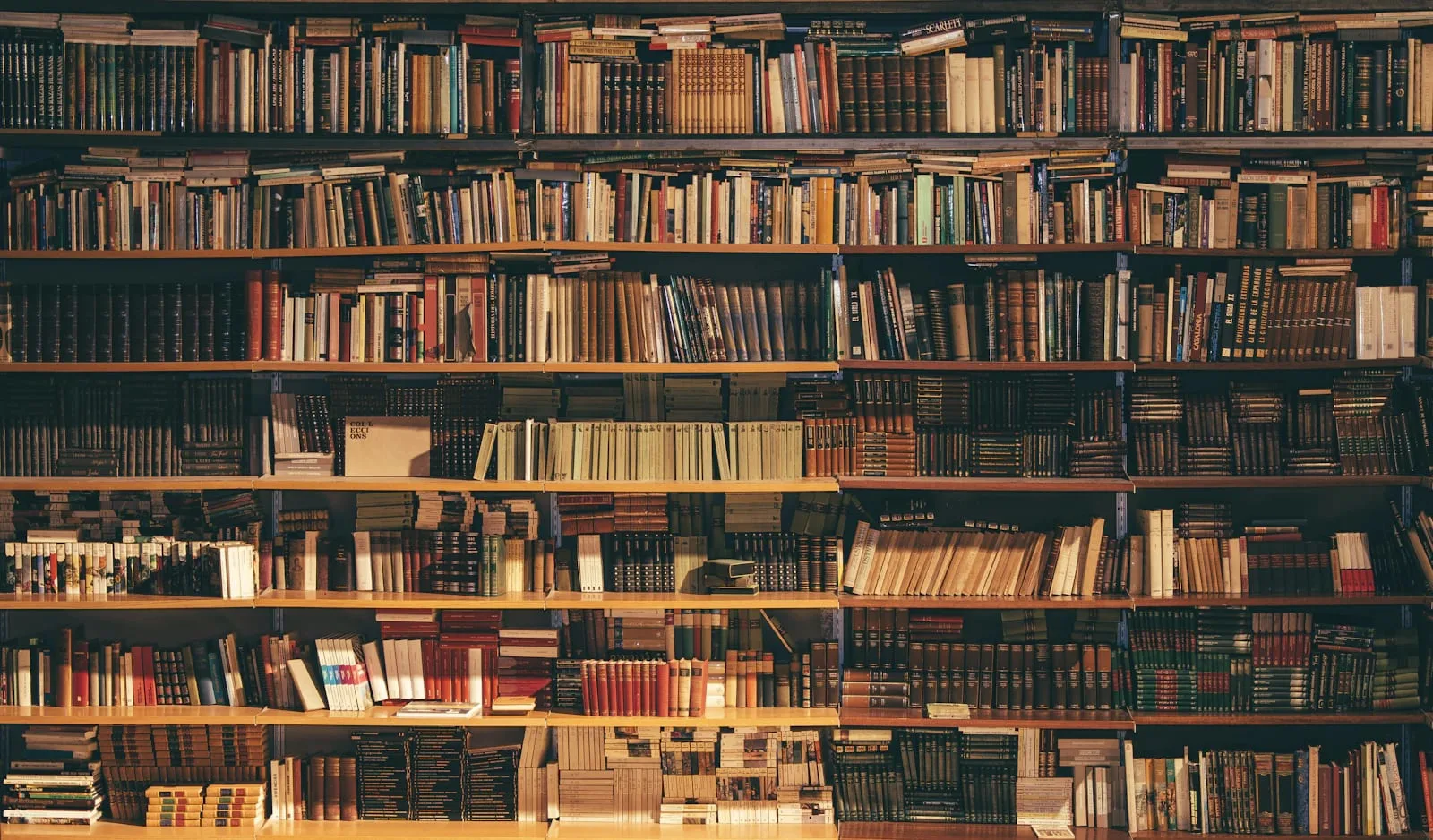
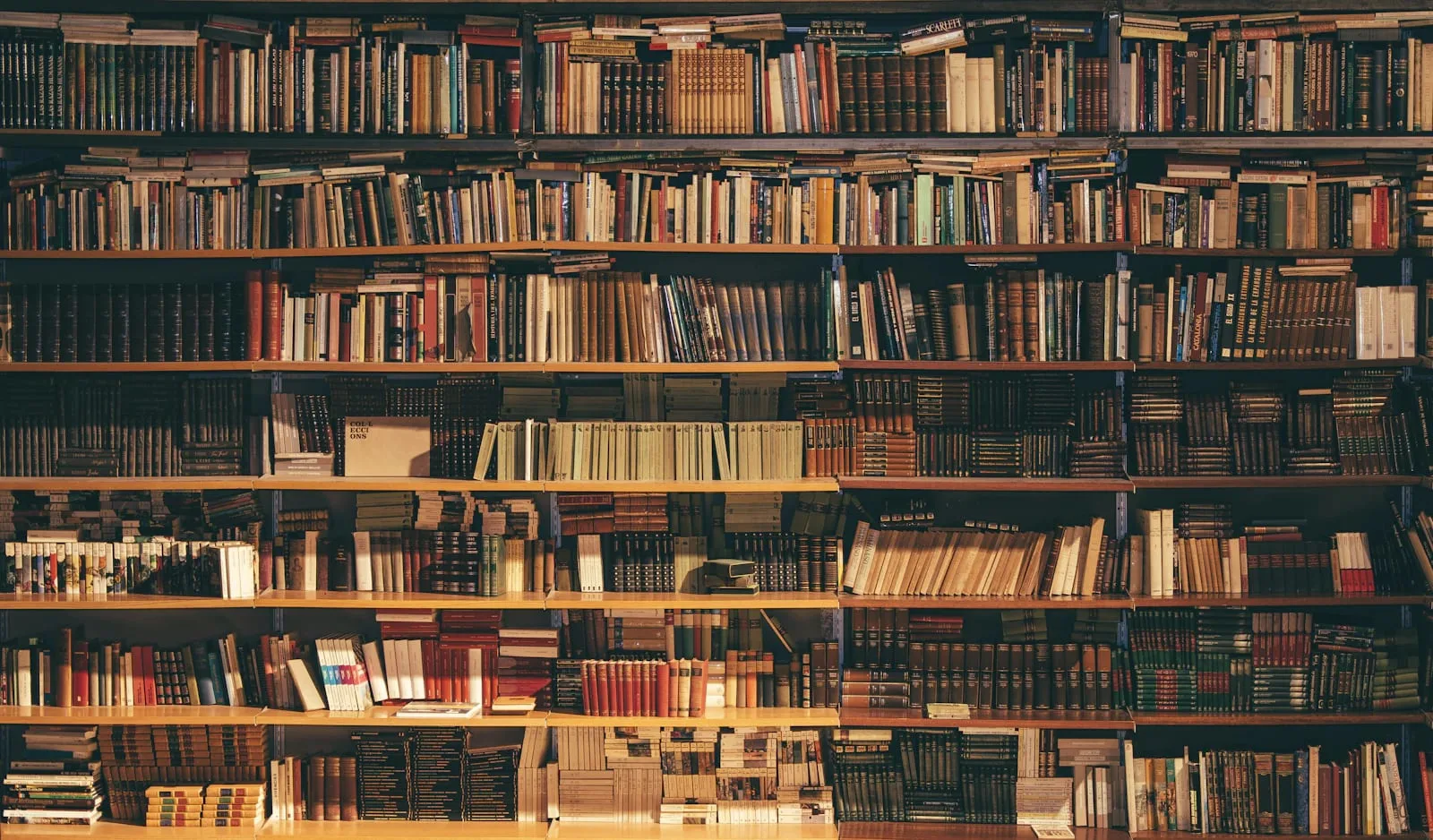
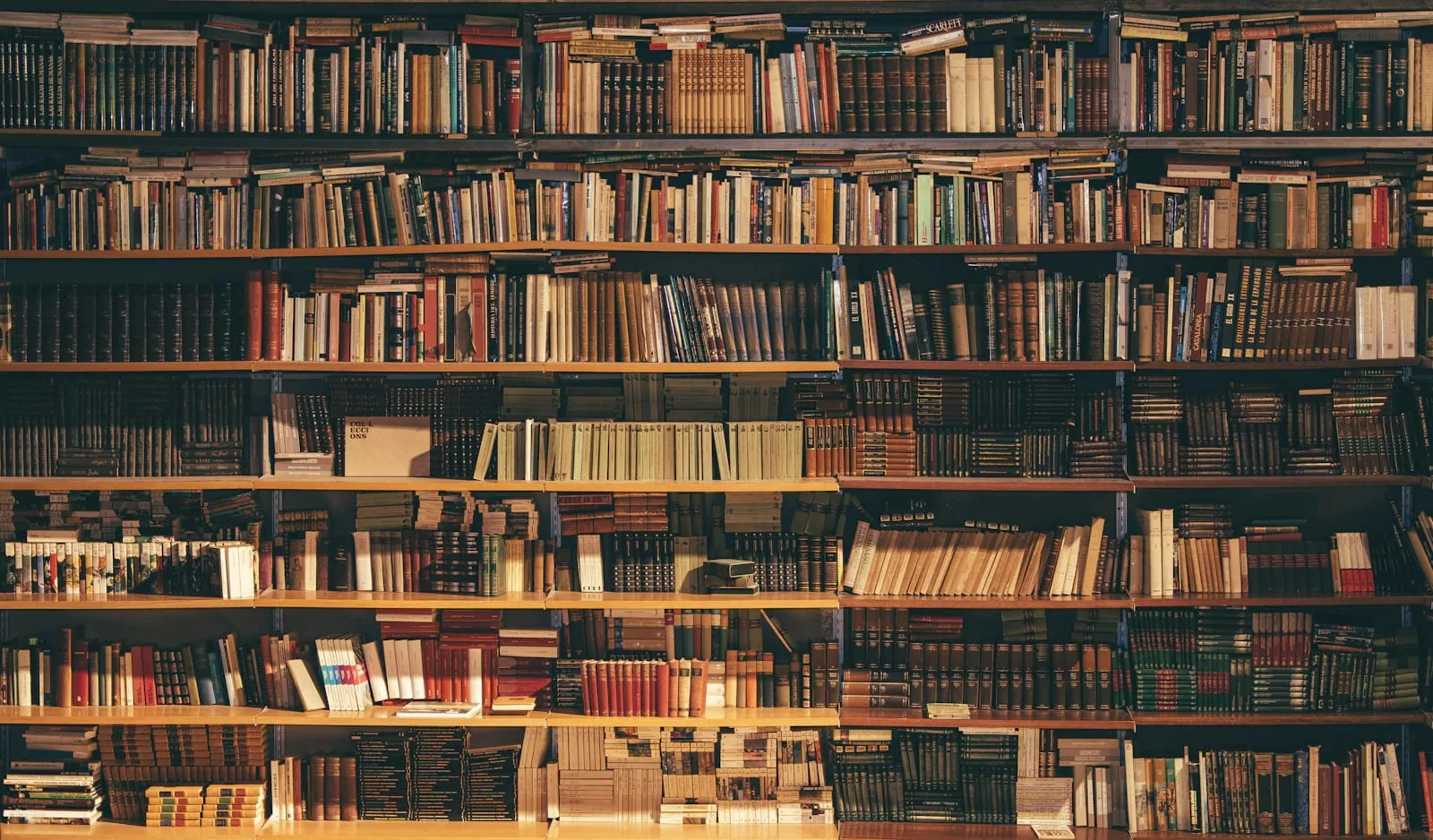
- Primary-source reading clinics at the British Library and other London archives where on-campus students get hands-on with the material.
- Three intellectual strands - literary studies, historical thinking, and philosophical and political thought - taught in parallel.
- Three study modes - on-campus in central London, fully online with cohort seminars, or distance learning with structured deadlines.
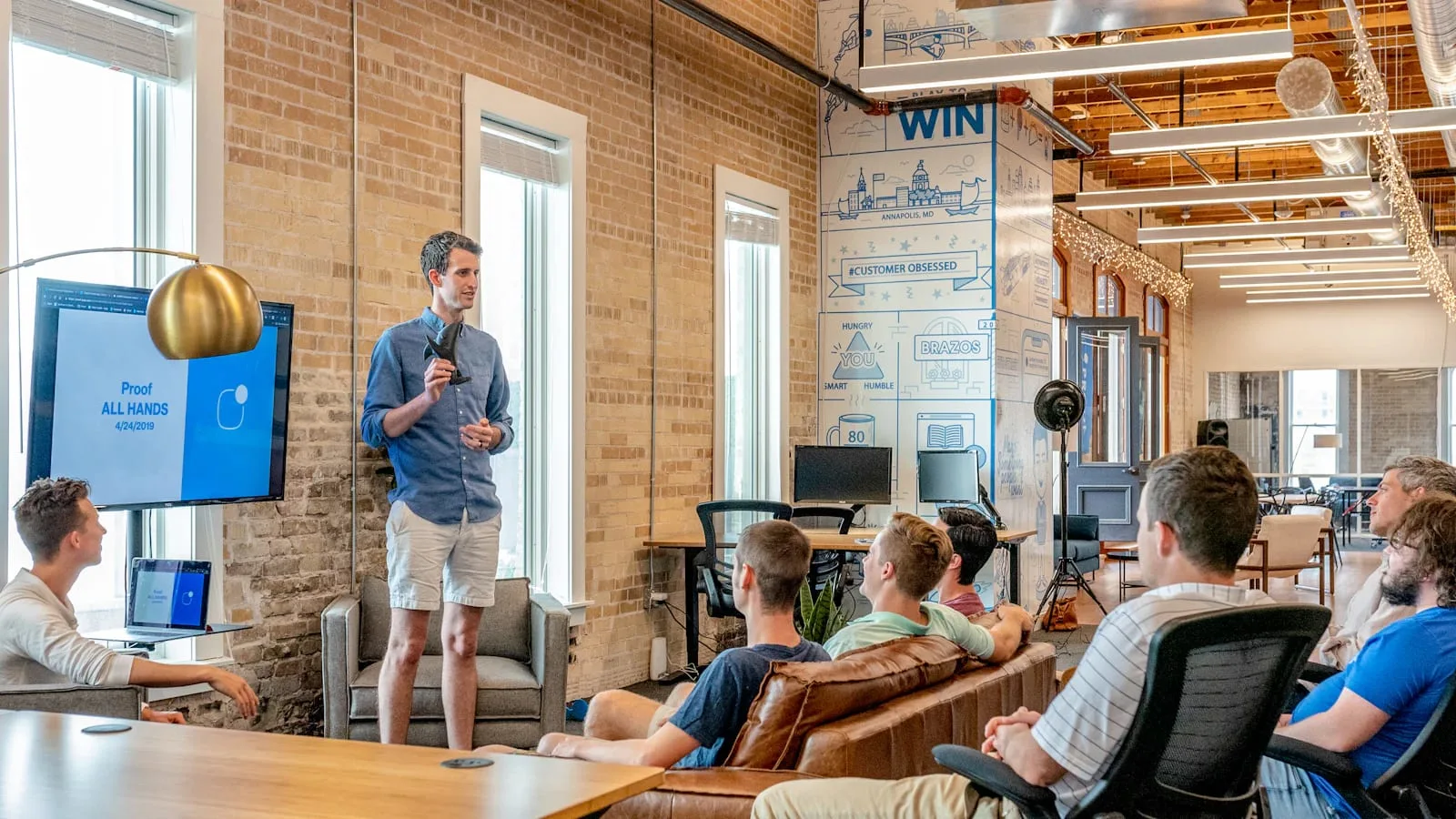
- Industry-led masterclasses from working editors, curators, academics and policy researchers across the humanities.
- Credit transfer into the final year of a UK Bachelor's degree at LSJHML or a partner university.
What You Will Learn
The Advanced Diploma in Interdisciplinary Humanities is structured around the skills a serious humanities reader needs: close reading, archival literacy, argument construction, and the discipline to follow a thought across genres and periods. You leave able to read primary and secondary sources side by side and write a long-form piece that does justice to both.
- Close-reading method - literary, historical and philosophical approaches to a single text.
- Historiography - how a historical argument is made, contested and revised.
- Philosophical analysis - argument mapping, premise and inference, charitable reading.
- Cultural and political thought from the Enlightenment to the present.
- Archival research method - what an archive holds, how to request, how to cite.
- Comparative reading - situating one text or event inside a broader tradition.
- Essay craft - structure, evidence, voice, scholarly apparatus.
- Public humanities - translating scholarly argument for general readers.
Who This Course Is For
- Diploma-level humanities graduates ready for a senior-track credential and a defended long-form essay.
- Professionals in publishing, journalism, policy or the cultural sector wanting a structured humanities credential.
- Career-changers from finance, technology or the public sector returning to the humanities mid-career.
- International students seeking a recognised UK humanities qualification with a route into a BA top-up year.
Career Pathways
Graduates of the Advanced Diploma in Interdisciplinary Humanities move into research, editorial and cultural sector roles, and many continue into a BA top-up year. Typical roles include:
- Humanities Researcher (think tank, university research office)
- Editorial Researcher (longform magazine, broadcast factual)
- Cultural Programme Coordinator (Tate, British Library, V&A - entry roles)
- Policy Analyst (parliamentary office, public-interest charity)
- Lecturer (FE college humanities programme)
- Communications Officer (academic society, cultural body)
Graduates progress directly into the final year of a UK BA in Humanities or a related discipline at LSJHML or a partner university.
Entry Requirements
- A UK Diploma (Level 4) or equivalent in a related subject, OR completion of secondary school plus one year of relevant work experience.
- IELTS 5.5 overall (no band below 5.5) for non-native English speakers.
- Personal statement, CV and a 1,000-word essay sample on a topic of your choice.
- Mature applicants (21+) without standard qualifications may apply with three years of relevant work experience.
Why Study at LSJHML
The London School of Journalism, Humanities & Modern Languages is a specialist higher-education provider based in central London. Our programmes are designed in dialogue with working professionals - journalists, translators, civil servants, academics, broadcasters, editors, publishers and policy researchers - so what you learn in seminar on Monday is what your future employer is using on Tuesday. We deliberately keep cohorts small, give every student named tutor support, and treat employability as a structural part of every programme rather than an optional add-on.
London is the work - politics, courts, capital markets, theatre, broadcasting, publishing, public service, the global press. Your studies are taught in the same square mile where the stories you read about happen. Whether you join us on-campus, online or by distance learning, the city is your classroom and our industry network is your launchpad.
Apply for the Advanced Diploma in Interdisciplinary Humanities
Apply today - admissions reply within one working day and can map your prior credits on the spot.