Advanced Diploma in Media and Culture
Course Overview
The Advanced Diploma in Media and Culture at the London School of Journalism, Humanities & Modern Languages (LSJHML) is a twelve-to-fifteen-month UK qualification for editorial, curatorial and research professionals who want a structured grounding in critical media and cultural analysis. You will read the canonical and the current - from Stuart Hall and Raymond Williams to today's media-platform theorists - and apply that reading to your own writing, programming or research output.
This Advanced Diploma takes seriously the work of cultural critique. By the end of the Advanced Diploma in Media and Culture you can read a media artefact closely, situate it in its social and political context, and write a piece of analysis that does not collapse into either jargon or commentary.
Key Features
- Applied research project - a 6,000-word piece of cultural analysis on a contemporary media artefact, programme or institution.
- Close-reading workshops across film, television, podcast, social platform and longform print.
- Theory-into-practice clinics where you apply theoretical frameworks to live editorial or curatorial briefs.
- Three study modes - on-campus in central London, fully online with cohort seminars, or distance learning with structured deadlines.
- Industry-led masterclasses from working critics, curators, editors and academics across UK cultural institutions.
- Credit transfer into the final year of a UK Bachelor's degree at LSJHML or a partner university.
What You Will Learn
The Advanced Diploma in Media and Culture is structured around the analytical skills a working critic, curator or researcher needs. You leave able to read across media forms, apply theoretical frameworks with discipline, and write the kind of analytical piece that holds up in front of academic, editorial and general audiences alike.
- Media theory - political economy of media, cultural studies, audience studies, platform theory.
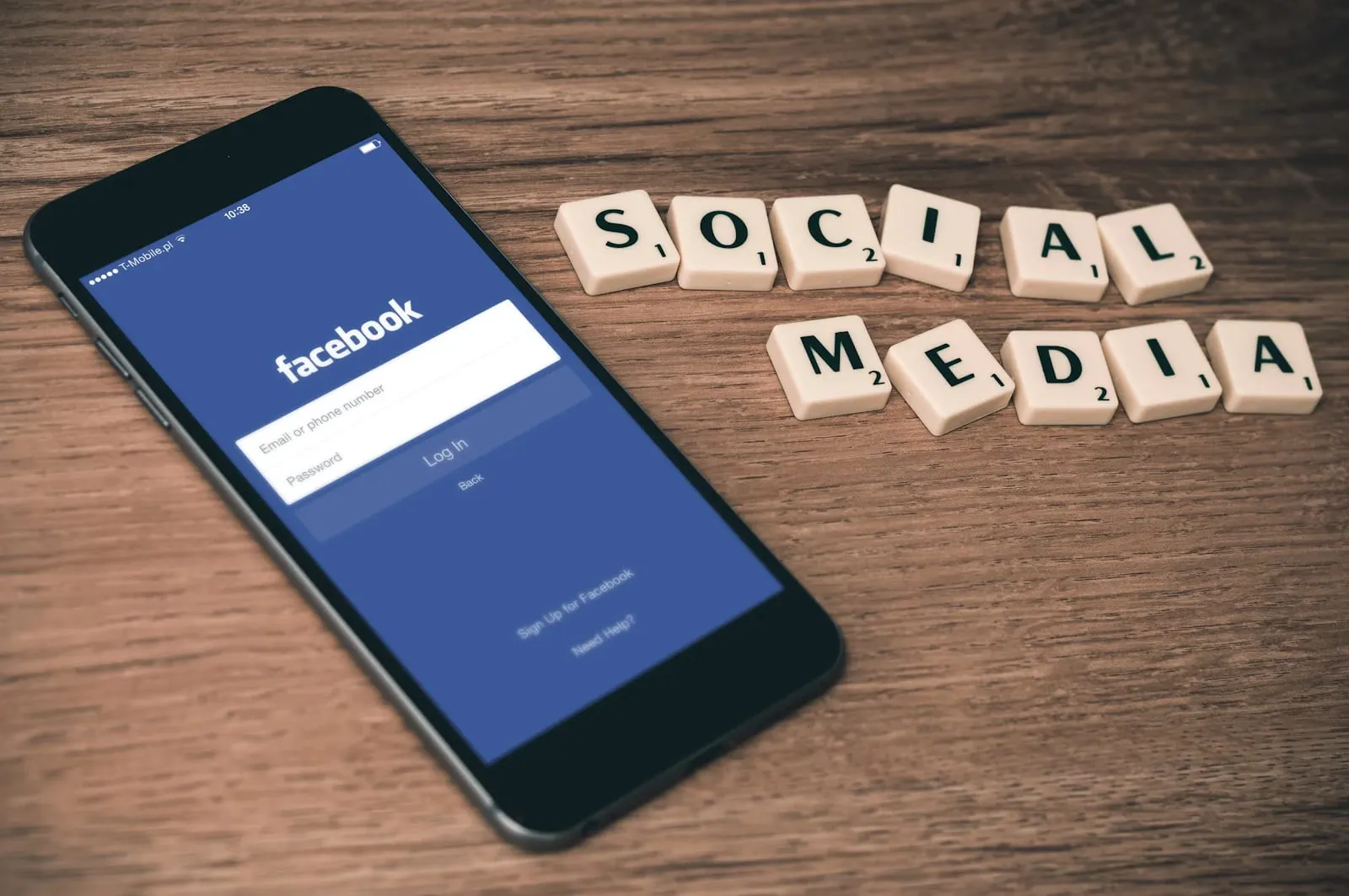
- Close reading across forms - film, television, podcast, social platform, longform print, gaming.
- Cultural history - the long shape of British and global media industries.
- Representation and power - race, class, gender, region in media production and reception.
- Audience and reception research - qualitative methods, interview design, focus groups.
- Critical writing craft - review, essay, applied research output.
- Curatorial method - programming, sequencing, framing, audience addressing.
- Research ethics - consent, voice, participation, data protection in qualitative research.
Who This Course Is For
- Diploma-level graduates in media, cultural studies or the humanities ready for a senior-track credential.
- Working editors, producers and curators wanting structured theoretical grounding alongside their practice.
- Researchers in audience insight, cultural programming or policy moving into more analytical work.
- Career-changers from journalism, the arts or the public sector entering media research or criticism.
Career Pathways
Graduates of the Advanced Diploma in Media and Culture move into editorial research, curatorial and analytical roles across UK media and cultural institutions. Typical roles include:
- Cultural Programmer (Tate, Barbican, regional cultural centre)
- Media Researcher (insight agency, in-house media intelligence team)
- Editorial Researcher (longform magazine, broadcast factual)
- Cultural Critic (national newspaper arts desk, specialist magazine)
- Arts & Media Officer (Arts Council, cultural policy body)
- Audience Insight Analyst (broadcaster, streaming platform)
Graduates progress directly into the final year of a UK BA in Media, Culture or Communications at LSJHML or a partner university.
Entry Requirements
- A UK Diploma (Level 4) or equivalent in a related subject, OR completion of secondary school plus one year of relevant work experience.
- IELTS 5.5 overall (no band below 5.5) for non-native English speakers.
- Personal statement, CV and a 1,000-word essay sample on a media or cultural topic of your choice.
- Mature applicants (21+) without standard qualifications may apply with three years of relevant work experience.
Why Study at LSJHML
The London School of Journalism, Humanities & Modern Languages is a specialist higher-education provider based in central London. Our programmes are designed in dialogue with working professionals - journalists, translators, civil servants, academics, broadcasters, editors, publishers and policy researchers - so what you learn in seminar on Monday is what your future employer is using on Tuesday. We deliberately keep cohorts small, give every student named tutor support, and treat employability as a structural part of every programme rather than an optional add-on.
London is the work - politics, courts, capital markets, theatre, broadcasting, publishing, public service, the global press. Your studies are taught in the same square mile where the stories you read about happen. Whether you join us on-campus, online or by distance learning, the city is your classroom and our industry network is your launchpad.
Apply for the Advanced Diploma in Media and Culture
Apply today - admissions reply within one working day and can map your prior credits on the spot.