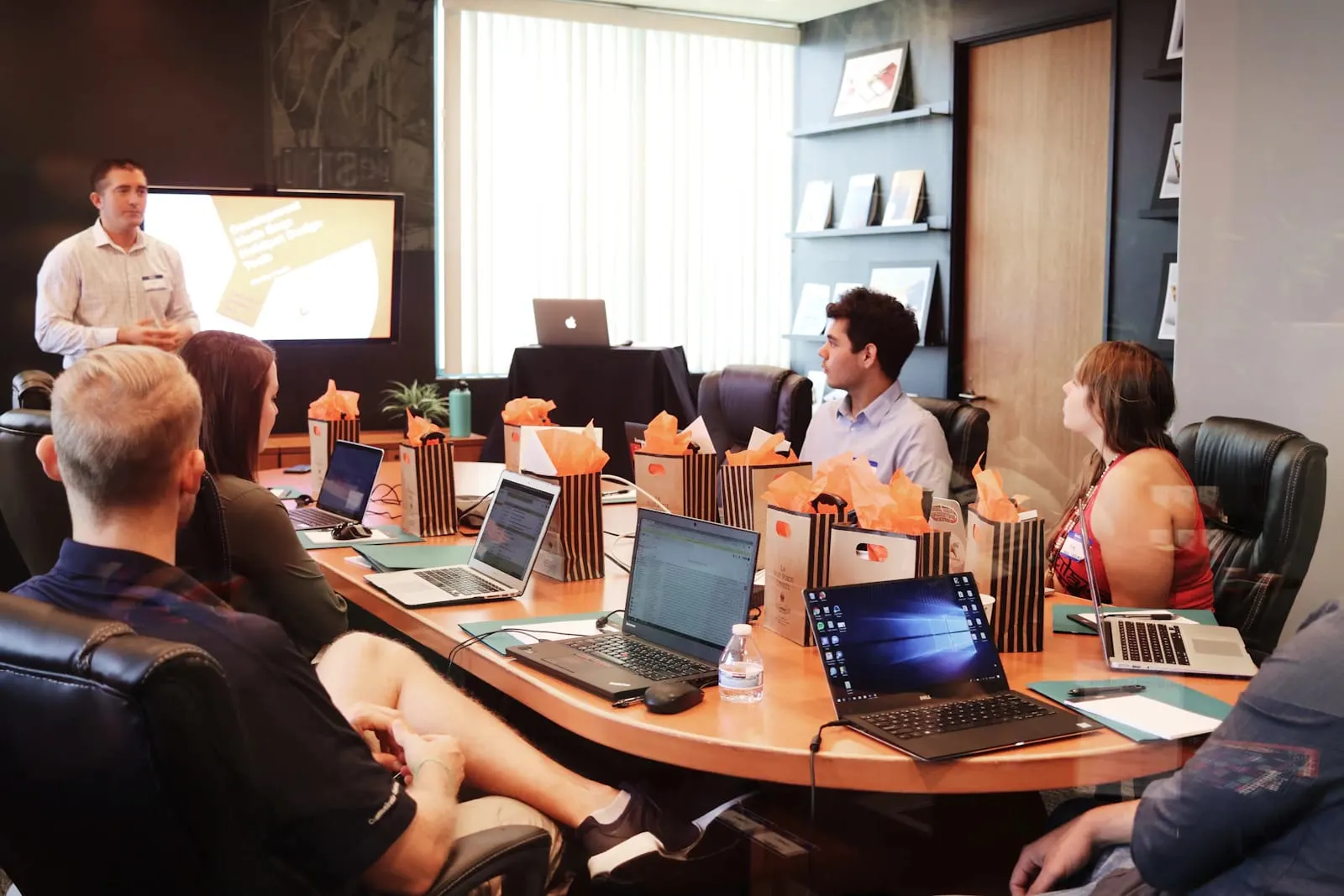
MSc in Operations Management
Course Overview
The MSc in Operations Management at LSCT sits inside the Business & Commerce department and is a postgraduate qualification for working operations managers, supply-chain leads and continuous-improvement specialists who want a senior-track UK credential. Delivered over one year full-time (or two years part-time) on-campus, fully online with live case sessions, or by structured distance learning, the programme blends operations strategy, supply chain, analytics and the Lean Six Sigma toolkit UK manufacturing, logistics and service employers actively pay for.
Coursework is rooted in current UK and global supply-chain practice. From the first month you will be modelling networks, running Six Sigma Black-Belt-level projects, analysing post-Brexit logistics constraints and presenting recommendations to assessment panels chaired by working senior operations leaders. The MSc is positioned for senior operators and aspiring directors.
The MSc in Operations Management timetable is built around UK assessment realities: continuous coursework that produces the artefacts employers actually ask for, plus end-of-module case-based assessments rather than rote examinations. Tutors include working practitioners drawn from the Royal Exchange and the Square Mile - not only academics - so the standard being marked against is the standard commercial employers apply at first interview. Students join one cohort intake per year, so the cohort moves through the programme together and forms the working network that matters when first commercial-sector job applications start going out.
Key Features
- Syllabus aligned to CIPS, APM and CMI senior-management standards, with the Six Sigma Black Belt body of knowledge embedded.
- Three study modes - on-campus, fully online with live case sessions, or distance learning with quarterly residentials.
- Discrete-event simulation lab using AnyLogic on real-style supply-chain networks.
- UK post-Brexit logistics module covering customs, rules of origin and CDS systems.
- Sustainability and ESG strand covering scope-3 emissions and circular operations.
- Live consultancy project - students work on a real operations problem for a UK SME or corporate.
What You Will Learn
Graduates leave able to design and improve a supply chain, run a Black-Belt-level Six Sigma project, model operational risk and present strategic recommendations to a board. Modules include:
- Operations Strategy and Competitive Operations
- Supply Chain and Network Design
- Lean Manufacturing and Six Sigma Black Belt
- Operations Analytics and Discrete-Event Simulation
- Procurement and Supplier Management (CIPS-aligned)
- Project and Programme Management (PMI / APM)
- Service Operations and Capacity Management
- Sustainable Operations and Scope-3 Emissions
- Research Methods and Dissertation
Who This Course Is For
- Operations managers and supply-chain leads aiming for director-track roles.
- Continuous-improvement specialists building Black-Belt-level credibility.
- Procurement and logistics managers seeking a UK-recognised senior credential.
- International senior operators targeting UK manufacturing, logistics and service roles.
Career Pathways
Graduates feed UK manufacturing, logistics, healthcare operations and service-industry employers at senior-operations and director track. Typical roles include:
- Operations Manager (mid to senior)
- Supply Chain Manager
- Continuous Improvement Manager (Black Belt)
- Procurement Manager (CIPS pathway)
- Programme Manager (PMI / APM track)
- Operations Director (with further experience)
Many graduates progress to an MBA, doctoral research in operations or senior director roles after professional practice.
One pragmatic note for prospective applicants: UK plc and SME finance teams alike are recruiting for technical depth they cannot recruit cheaply, and the MSc in Operations Management is designed to produce the documented portfolio that gets a CV read rather than only an academic transcript that does not. Coursework is structured so that, on graduation, you can hand a hiring manager three or four pieces of evidence - a project, a report, a deck, a documented intervention - that map directly to a published UK job description. Personal academic tutors also run two one-to-one careers conversations during the programme to keep that mapping honest.
Entry Requirements
- A UK 2:2 honours degree (or international equivalent) in business, engineering, supply-chain or a cognate field.
- Applicants from non-cognate fields may apply with five years' senior professional experience in operations, supply chain or manufacturing.
- IELTS 6.5 overall (no band below 6.0) for non-native English speakers.
- A personal statement, two references and a research proposal of 500-800 words; a CV evidencing senior operations experience strengthens applications.
Why Study at LSCT
The London School of Commerce and Technology (LSCT) is a specialist higher-education provider based in central London and part of Harold International College. We teach in small cohorts so every student is visible to their tutor, run a single intake schedule that students can rely on, and partner with UK professional bodies so qualifications carry weight with employers. London puts Whitehall, the City, Silicon Roundabout, the Royal Courts of Justice, the West End and the NHS estate within a short tube ride of every classroom - and our students use that proximity in their projects, placements and graduate job hunts. For senior operations students that means structured visits to Heathrow operations, Royal Mail distribution centres and London-based UK manufacturers, plus sessions with CIPS and APM-affiliated practitioners.
The teaching model is small-cohort and tutor-led on purpose. Discussion-based seminars, regular formative feedback and structured peer-review are how commercial-judgement is built - none of which scales to large lecture halls. Personal academic tutors are assigned at enrolment, and every student has a named contact for academic, pastoral and career-related questions. UK and international students mix in every cohort, which becomes an active strength in case sessions, group projects and the commercial-sector network that follows you after graduation.
Beyond classroom contact, the MSc in Operations Management makes deliberate use of UK-specific resources that international comparators cannot reach as easily: open government data on the gov.uk estate, parliamentary publications, House of Commons Library briefings, Bank of England datasets, ONS releases and the open-access research output of British universities. Throughout the programme, tutors expect commercial-judgement writing - short, evidenced, and confident about trade-offs. Graduates often describe leaving LSCT with a set of writing and analytical habits they continue to use across a UK career - not only a transcript and a portfolio.
Two further notes about studying the MSc in Operations Management at LSCT: first, every cohort is given a dedicated employability portfolio template at induction, so the documentation you produce is in a hiring-manager-ready format from day one; second, alumni continue to attend tutor-led drop-ins from 2026 onwards, which means the network around the programme keeps growing rather than ending at graduation. Both decisions are deliberate and shape how the course feels to study.
Apply for MSc in Operations Management
Specialise at postgraduate level with the MSc in Operations Management. Click Enrol Now to apply; admissions teams reply within one working day with scholarship and funding guidance, including assessment of any prior Six Sigma, CIPS, APM or PMI credentials.