Advanced Diploma in Digital Journalism
Course Overview
The Advanced Diploma in Digital Journalism at the London School of Journalism, Humanities & Modern Languages (LSJHML) is a twelve-to-fifteen-month UK qualification for reporters and producers moving from a Diploma into senior-track digital newsroom work. You will run live online publishing cycles, lead audience-led story decisions, verify open-source material against publication-grade standards, and produce a final digital portfolio that demonstrates measurable readership outcomes.
Digital journalism is no longer a desk inside a newspaper - it is the newsroom. The Advanced Diploma in Digital Journalism is built around that reality: search, social, newsletter, podcast and live blogging treated as distinct disciplines, each with its own craft, its own metrics and its own audience contract.
Key Features
- Live online newsdays - publish to a working schedule with editor review and audience metrics fed back in real time.
- Newsroom SEO module aligned with current Google News and Discover guidance, headline science and evergreen optimisation.
- Verification clinic - reverse image search, geolocation, chronolocation, source provenance using methods aligned with First Draft and the BBC's verification practice.
- Audience editing module - newsletter strategy, push notification editorial judgement, social-first story planning.
- Industry masterclasses from working digital editors at UK national titles, regional newsrooms and digital-native publishers.
- Final digital portfolio with at least one breaking-news live blog, one explainer, one verified open-source story and one newsletter or audience newsletter.
What You Will Learn
The Advanced Diploma in Digital Journalism is structured around the working week of a senior digital reporter - search, social, breaking, live, audience care. You graduate able to lead an online publishing cycle, verify what lands in your inbox and explain a traffic chart honestly.
- Digital news writing - headline craft for search and social, sub-deck discipline, modular story construction.
- Newsroom SEO - keyword research, entity and topic clustering, schema, news sitemap strategy.
- Live blogging and breaking-news workflow - verification thresholds, update cadence, correction protocols.
- Open-source verification - image, video and document provenance, social account analysis, geolocation.
- Audience strategy - newsletter editorial, push notifications, social-first packaging, comment moderation.
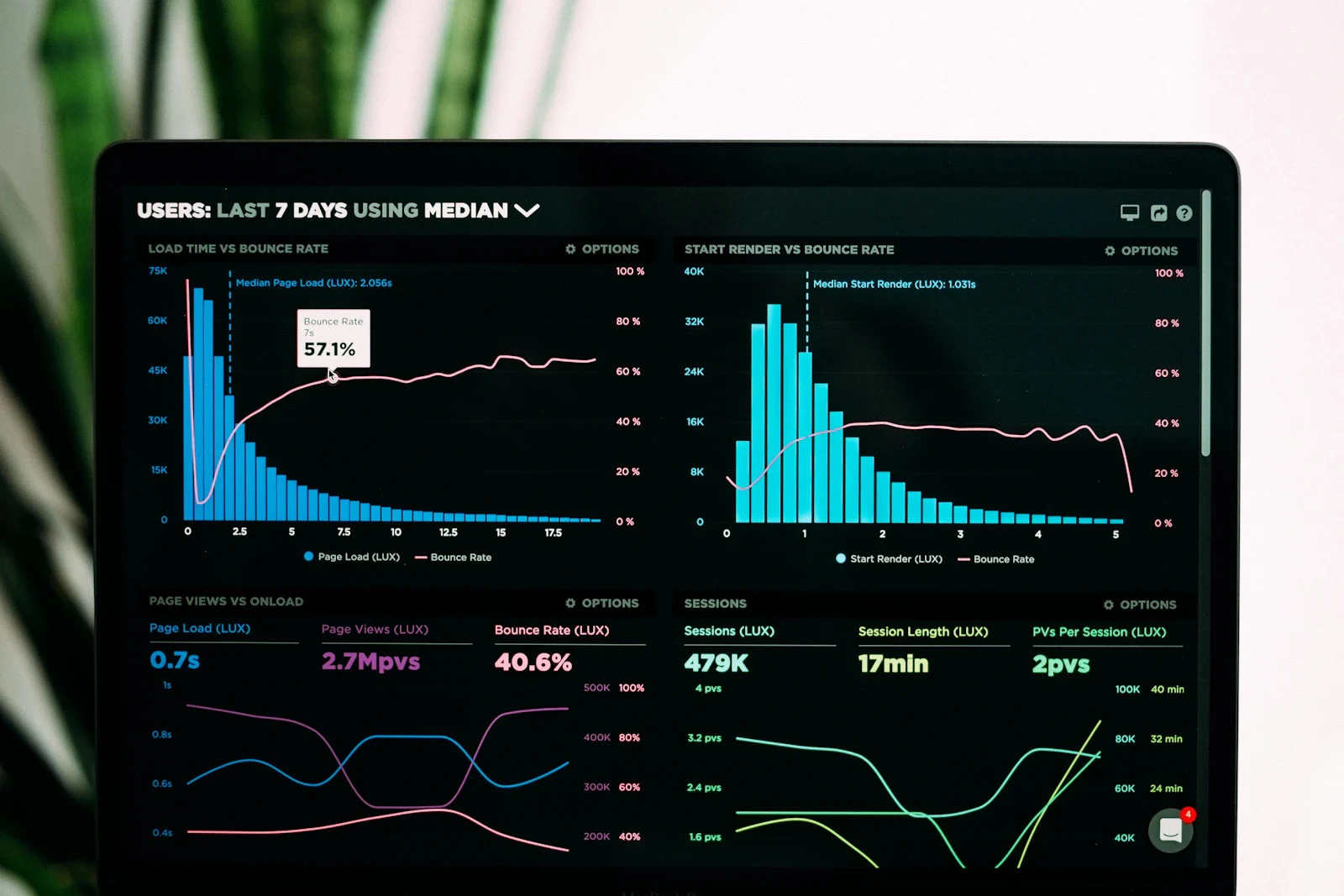
- Analytics literacy - page-level metrics, audience segmentation, retention reporting, paywall data.
- Digital ethics - pile-on risk, the Editors' Code online, dark-pattern avoidance, accessibility.
- Multimedia formats - short-form vertical video, audio explainer, interactive longform, data visualisation basics.
Who This Course Is For
- Diploma-level journalism graduates ready to specialise in online-first newsroom practice.
- Working print reporters wanting a credible transition into digital newsroom roles.
- Communications and content professionals shifting into news publishing.
- International journalists relocating to the UK and needing a recognised digital qualification to enter the local market.
Career Pathways
Digital is where most journalism jobs are. Graduates of the Advanced Diploma in Digital Journalism typically progress into senior reporter or specialist roles in UK national, regional and digital-native newsrooms. Typical post-Advanced-Diploma roles include:
- Digital Journalist (national title, regional publisher)
- Newsroom SEO Lead (mid-size publisher, specialist title)
- Online Producer (broadcast news website, current-affairs site)
- Verification Reporter (national newsroom, fact-checking outlet)
- Audience Editor (newsletter-led publisher, digital-native)
- Live News Producer (rolling-news desk, breaking-news team)
Graduates progress to the Bachelor in Digital Journalism (top-up) or to a Master's in International Journalism, Investigative Journalism or Editorial Management.
Entry Requirements
- A UK Diploma (Level 4) or equivalent in a related subject, OR completion of secondary school plus one year of relevant work experience.
- IELTS 5.5 overall (no band below 5.5) for non-native English speakers.
- Personal statement and CV.
- Mature applicants (21+) without standard qualifications may apply with three years of relevant work experience.
Why Study at LSJHML
The London School of Journalism, Humanities & Modern Languages is a specialist higher-education provider based in central London. Our programmes are designed in dialogue with working professionals - journalists, translators, civil servants, academics, broadcasters, editors, publishers and policy researchers - so what you learn in seminar on Monday is what your future employer is using on Tuesday. We deliberately keep cohorts small, give every student named tutor support, and treat employability as a structural part of every programme rather than an optional add-on.
London is the work - politics, courts, capital markets, theatre, broadcasting, publishing, public service, the global press. Your studies are taught in the same square mile where the stories you read about happen. Whether you join us on-campus, online or by distance learning, the city is your classroom and our industry network is your launchpad.
Apply for the Advanced Diploma in Digital Journalism
Apply today - admissions reply within one working day and can map your prior credits on the spot.