Advanced Diploma in Editorial Management
Course Overview
The Advanced Diploma in Editorial Management at the London School of Journalism, Humanities & Modern Languages (LSJHML) is a twelve-to-fifteen-month UK qualification for journalists, sub-editors and producers stepping into the supervisory roles that hold a newsroom together. You will work through the output planning, editorial standards, budget management and people leadership that turn a writing role into a desk-running role.
The course is taught by working editors and former heads of output. It is unsentimental about what the job actually requires - the late call, the apology to publish, the budget that won't stretch, the reporter who is brilliant but hard to manage. By the end you will be ready to take a desk.
Key Features
- Newsday simulation - run a full editorial day as the desk lead, with rolling-news scenarios and tutor review of every editorial call.
- Editorial standards module grounded in the Editors' Code, IPSO process, BBC Editorial Guidelines and the Ofcom Broadcasting Code where relevant.
- People management strand covering team supervision, performance conversations, freelance commissioning and editorial training.
- Budget and resource planning - page or running-order economics, freelance budgets, story-cost discipline.
- Industry-led masterclasses from senior editors at UK regional and national titles, BBC News, ITN and independent newsrooms.
- Top-up route into the final year of a Bachelor's degree in journalism or media management at LSJHML or partner universities.
What You Will Learn
The Advanced Diploma in Editorial Management is structured around the daily and longer-term decisions that fall on a desk lead - what to commission, what to spike, how to brief, how to defend a story to a complainant, how to keep a team functional under pressure. You leave able to lead an editorial team through an ordinary week, a complaint and a difficult story.
- Output planning - running orders, page leads, story prioritisation, breaking-news triage.
- Editorial standards - accuracy logs, right-of-reply protocols, complaints handling, IPSO and Ofcom processes.
- Newsroom leadership - briefing, debriefing, conflict resolution, freelance management.
- Editorial budgeting - story-cost economics, freelance fees, travel and risk costs.
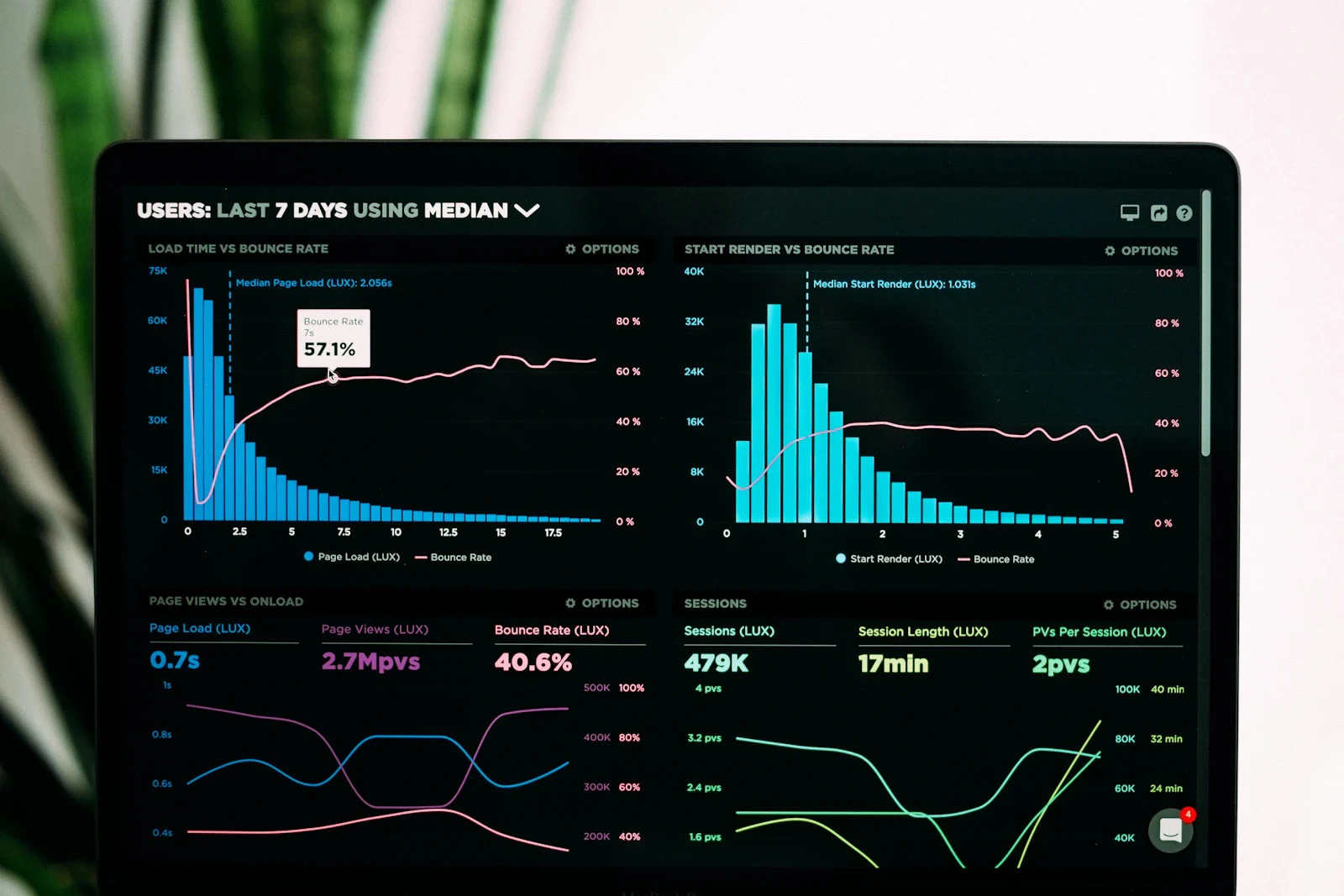
- Audience and analytics - reading dashboards, dwell-time and recirculation, audience-led decisions without chasing clicks.
- Diversity in commissioning - newsroom representation, source diversification, accountability metrics.
- Legal supervision - defamation defences from the editor's chair, contempt risk assessment, pre-publication review.
- Crisis editorial - major incidents, deaths, court verdicts, content warnings.
Who This Course Is For
- Mid-career reporters and sub-editors ready to move into desk-lead, deputy-editor or chief-sub roles.
- Production journalists in broadcast newsrooms stepping into output editor or bulletin editor positions.
- Online editors and content managers in digital newsrooms taking on team leadership responsibility.
- Career-changers from PR or communications moving into editorial team leadership at non-profit or specialist titles.
Career Pathways
The Advanced Diploma in Editorial Management is built to lift practitioners into management-track newsroom roles. Graduates typically progress into desk-lead, deputy-editor or production-manager positions, with many continuing to a Bachelor's degree top-up year. Typical roles include:
- Newsroom Editor (regional title, online news brand)
- Executive Producer (broadcast newsroom, current-affairs team)
- Head of Output (commercial radio, podcast network)
- Production Manager (television news, multi-platform desk)
- Editorial Director (specialist or trade title, charity media)
- Deputy Editor (regional or online national title)
The Advanced Diploma articulates directly into the final year of a UK BA in Journalism or Media Management at LSJHML or a partner university.
Entry Requirements
- A UK Diploma (Level 4) or equivalent in a related subject, OR completion of secondary school plus one year of relevant work experience.
- IELTS 5.5 overall (no band below 5.5) for non-native English speakers.
- Personal statement and CV.
- Mature applicants (21+) without standard qualifications may apply with three years of relevant work experience.
Why Study at LSJHML
The London School of Journalism, Humanities & Modern Languages is a specialist higher-education provider based in central London. Our programmes are designed in dialogue with working professionals - journalists, translators, civil servants, academics, broadcasters, editors, publishers and policy researchers - so what you learn in seminar on Monday is what your future employer is using on Tuesday. We deliberately keep cohorts small, give every student named tutor support, and treat employability as a structural part of every programme rather than an optional add-on.
London is the work - politics, courts, capital markets, theatre, broadcasting, publishing, public service, the global press. Your studies are taught in the same square mile where the stories you read about happen. Whether you join us on-campus, online or by distance learning, the city is your classroom and our industry network is your launchpad.
Apply for the Advanced Diploma in Editorial Management
Apply today - admissions reply within one working day and can map your prior credits on the spot.