Advanced Diploma in Online Journalism
Course Overview
The Advanced Diploma in Online Journalism at the London School of Journalism, Humanities & Modern Languages (LSJHML) is a twelve-to-fifteen-month senior-track UK qualification for journalists who want to lead in the digital newsroom - writing for the web, optimising for search and social, verifying user-generated content and understanding the audience tools editors actually use. You will publish weekly to a working blog, run a verification desk simulation, and finish with a portfolio that demonstrates competence across the modern digital reporting stack.
This Advanced Diploma in Online Journalism takes online publishing seriously as a craft rather than a bolt-on. By the end you can plan a content calendar that lands stories where the audience actually is, verify a viral video before your competitors do, and explain to a news editor why an analytics dashboard does and does not measure what they think it does.
Key Features
- Senior-track UK qualification in digital newsroom practice, aligned with the Online News Association and International Journalists' Network standards.
- Verification desk simulation - work through real and synthetic verification challenges with tutor review, using OSINT tools journalists use in the field.
- SEO and audience module covering on-page optimisation, search-intent analysis, Google News standards and audience analytics platforms.
- Visual and interactive storytelling - basic data visualisation, embedded multimedia, social-first formats.
- Industry-led masterclasses from working digital journalists, audience editors and verification leads at UK and international newsrooms.
- Live publishing portfolio built across the year on a moderated LSJHML student news site.
What You Will Learn
The Advanced Diploma in Online Journalism is structured around the daily reality of digital reporting - speed, accuracy, search, audience, distribution and the long tail. You leave able to break a story online safely, optimise it for discovery, verify the visual material you publish and read the audience signals afterwards.
- Digital news writing - headlines for humans and search, structure for the scroll, mobile-first prose.
- SEO for journalism - keyword research, intent mapping, on-page basics, Google News and Discover signals.
- Verification - reverse image search, geolocation, chronolocation, account provenance, deepfake detection.
- Social distribution - platform-specific formats, community management, source recruitment via social.
- Visual storytelling - basic data viz, embeddable charts, photo galleries, vertical video.
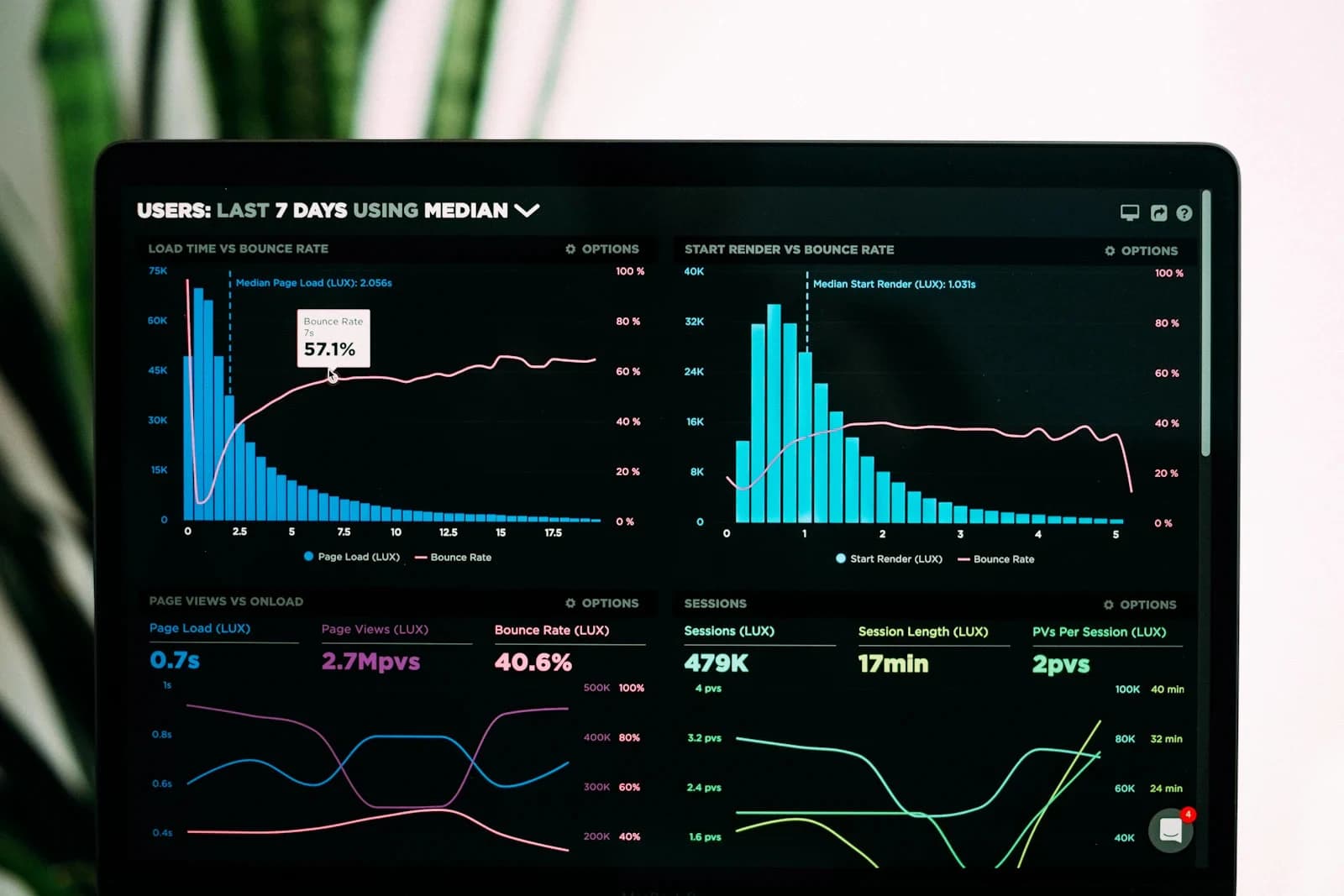
- Audience analytics - measurement frameworks, content engagement, the difference between traffic and impact.
- Digital media law - defamation online, contempt, takedown rights, the Online Safety Act in journalism.
- Newsroom workflow - CMS use, editorial calendars, breaking-news protocols, archive and corrections.
Who This Advanced Diploma Is For
- Diploma-level journalism graduates moving into digital-first newsroom roles.
- Working print or broadcast reporters whose newsrooms expect strong digital craft.
- Independent bloggers, podcasters and YouTubers wanting a structured UK credential and journalism-grade discipline.
- Communications and content professionals adding journalism-grade verification and SEO literacy to their toolkit.
Career Pathways
Graduates of the Advanced Diploma in Online Journalism move into digital-first reporter, verification and audience roles across UK and international newsrooms. Typical roles include:
- Digital Journalist (regional or national title)
- Newsroom SEO Lead (national title, broadcaster, specialist publisher)
- Online Producer (broadcast news, current-affairs digital desk)
- Verification Reporter (national title, broadcaster, fact-checking outfit)
- Audience Editor (publisher, broadcaster, specialist title)
- Social News Producer (broadcaster, social-first publisher)
Graduates progress into BA top-up routes in journalism or digital media, or directly into master's-level specialisms in international, investigative or documentary journalism.
Entry Requirements
- A UK Diploma (Level 4) or equivalent in a related subject, OR completion of secondary school plus one year of relevant work experience.
- IELTS 5.5 overall (no band below 5.5) for non-native English speakers.
- Personal statement and CV.
- Mature applicants (21+) without standard qualifications may apply with three years of relevant work experience.
Why Study at LSJHML
The London School of Journalism, Humanities & Modern Languages is a specialist higher-education provider based in central London. Our programmes are designed in dialogue with working professionals - journalists, translators, civil servants, academics, broadcasters, editors, publishers and policy researchers - so what you learn in seminar on Monday is what your future employer is using on Tuesday. We deliberately keep cohorts small, give every student named tutor support, and treat employability as a structural part of every programme rather than an optional add-on.
London is the work - politics, courts, capital markets, theatre, broadcasting, publishing, public service, the global press. Your studies are taught in the same square mile where the stories you read about happen. Whether you join us on-campus, online or by distance learning, the city is your classroom and our industry network is your launchpad.
Apply for the Advanced Diploma in Online Journalism
Apply today - admissions reply within one working day and can map your prior credits on the spot.